If you've ever chugged a protein shake within 30 minutes of finishing a workout, you're not alone. Gyms, fitness influencers, and supplement companies have long pushed the idea that there's a narrow anabolic window—a precious 30- to 60-minute period after exercise when your muscles are desperate for protein. Miss it, and you're supposedly leaving gains on the table.
Here's the truth: that belief is largely overblown. Recent sports nutrition research shows that total daily protein intake matters far more than meal timing for muscle growth and repair. Your post-workout shake might be doing nothing that a well-balanced whole food meal couldn't do better—and whole foods often outperform shakes in terms of satiety, micronutrients, and long-term health.
This guide is for gym-goers, athletes, and fitness enthusiasts who want to optimize their post-exercise nutrition without relying on expensive, processed supplements. You'll learn why the anabolic window isn't as critical as you think, how whole foods beat shakes for muscle repair and fullness, and six practical steps to redesign your post-workout routine.
Quick Takeaways

- The anabolic window is a myth: muscle protein synthesis stays elevated for 4-6 hours after exercise, so you have plenty of time to eat.
- Whole food protein sources (eggs, Greek yogurt, chicken, fish) provide more vitamins, minerals, and satiety than most protein shakes.
- Total daily protein intake (1.6-2.2 g/kg of body weight) is the strongest predictor of muscle gain, not timing.
- You can build muscle just as effectively without a post-workout shake by eating a balanced meal within 2-3 hours after training.
Prerequisites: What You'll Need
Before you start adjusting your post-workout nutrition, make sure you have the basics covered:
- Knowledge of your daily protein target: multiply your weight in kg by 1.6-2.2 to get your daily goal (e.g., 80 kg = 128-176 g protein per day).
- A log or app to track your food intake for at least a week (like MyFitnessPal or a simple notebook).
- Access to whole food ingredients: eggs, Greek yogurt, cottage cheese, chicken breast, lean beef, fish, quinoa, lentils, and vegetables.
- Willingness to experiment: it may take a few days to break the protein-shake habit and find whole food meals that work for you.
Step 1: Recognize the Anabolic Window Myth
The idea that you must consume protein within 30 minutes post-workout originated from a 2001 study that measured muscle protein synthesis after a single dose of protein. Later research, including a landmark 2013 review by Schoenfeld et al., found that the duration of elevated muscle protein synthesis after resistance training lasts at least 4–6 hours. That means you have a generous eating window, not a frantic rush.
Why it matters: Believing in a narrow anabolic window creates unnecessary anxiety and often leads people to rely on shakes simply for convenience, even when a real meal would be better. By understanding the science, you free yourself to choose meals that satisfy you and support your goals.
Example: Imagine you finish a leg day at 6 PM. Instead of shaking down a protein shake in the locker room, you can drive home, cook a balanced dinner with chicken, rice, and broccoli, and eat at 7:30 PM. That 90-minute delay won't harm gains—it may even improve them because you're eating more nutrients.
Success check: You no longer feel rushed to consume protein immediately after training. You can comfortably wait 1–3 hours before your next meal.
Step 2: Calculate Your Total Daily Protein Target
Once you accept that timing matters less than total intake, you need to know exactly how much protein you should eat each day. The International Society of Sports Nutrition recommends 1.6–2.2 grams of protein per kilogram of body weight for most active individuals. That's your baseline, regardless of when you eat it.
Why it matters: Goals like muscle gain, maintenance, and fat loss all depend on hitting a sufficient daily protein threshold. If you only count on a post-workout shake for 25 grams and ignore the other meals, you'll fall short. Whole foods make it easier to spread protein across the day.
Example: For a 75 kg (165 lb) person, target 120–165 g protein daily. A typical day might include: eggs and oatmeal at breakfast (25 g), Greek yogurt and fruit snack (15 g), chicken salad at lunch (40 g), a handful of almonds (6 g), and a dinner of salmon and quinoa (45 g). That totals 131 g—right in the sweet spot—without any shakes.
Success check: You've calculated your daily protein range and tracked your intake for three days. You see that you can hit the target with whole foods alone.
Step 3: Prioritize Whole Food Protein Sources Over Shakes
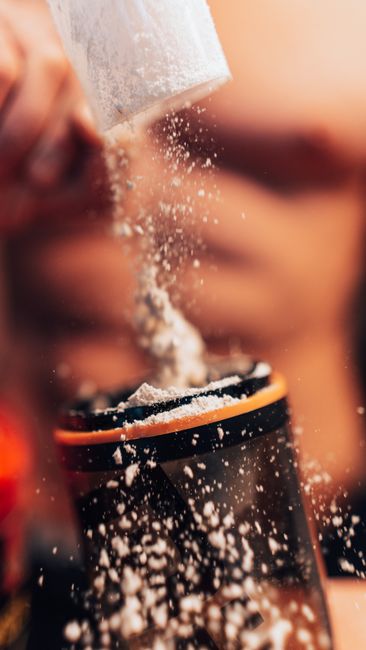
Whole foods offer two major advantages over protein shakes: nutritional complexity and satiety. Eggs provide choline and healthy fats; Greek yogurt delivers probiotics and calcium; chicken and fish supply iron and omega-3s. These nutrients support recovery, immunity, and overall health—things a scoop of powder can't match.
Why it matters: A 2019 study in the Journal of the International Society of Sports Nutrition found that whole eggs stimulated muscle protein synthesis more effectively than egg whites alone, despite identical protein content. The yolk's nutrients made the difference. Similarly, a 2020 review noted that whole food protein sources often lead to greater feelings of fullness, which can help with weight management.
Example: swap your 30g protein shake for a bowl of Greek yogurt (plain, 200g = 20g protein) topped with berries and a tablespoon of hemp seeds (5g protein). You get protein, fiber, probiotics, and antioxidants—plus a crunchy texture that makes you feel more satisfied.
Success check: You've replaced at least one daily shake with a whole food alternative and noted that you feel fuller and more energized for the next hour.
Step 4: Plan Post-Workout Meals That Deliver Complete Nutrition
Now that you're letting go of the shake, you need a concrete plan for what to eat after training. The goal isn't just protein—it's a balanced meal that includes carbohydrates for glycogen replenishment, healthy fats for inflammation control, and a variety of micronutrients.
Why it matters: Your body needs more than protein after exercise. Carbs accelerate recovery by restoring muscle glycogen, while fats support hormonal health. A shake alone provides none of these unless you add other ingredients, turning it into a makeshift smoothie anyway.
4 Practical Post-Workout Meal Ideas
- Scrambled eggs on toast with spinach: 3 eggs (18g protein), 2 slices whole-grain bread (8g protein), sautéed spinach. Total ~30g protein + complex carbs + iron and vitamins. Prep time: 10 minutes.
- Greek yogurt bowl: 200g plain Greek yogurt (20g protein), ½ cup granola (5g protein), mixed berries, drizzle of honey. Total ~25g protein + quick carbs + antioxidants. Prep time: 5 minutes.
- Grilled chicken salad: 150g grilled chicken breast (35g protein), mixed greens, quinoa (4g protein), cherry tomatoes, avocado, olive oil dressing. Total ~40g protein + fiber + healthy fats. Prep time: 15 minutes (if chicken is pre-cooked).
- Salmon and sweet potato: 150g salmon fillet (30g protein), one medium sweet potato (4g protein), steamed broccoli. Total ~34g protein + potassium + omega-3s. Prep time: 25 minutes.
Success check: You've prepared two of these meals after your last two workouts and felt satisfied. You didn't crave a shake.
Step 5: Time Your Meals for Consistency, Not Panic
Instead of aiming for a perfect 30-minute window, adopt a flexible eating schedule that suits your lifestyle. Eat a substantial meal within 2–3 hours after your workout. If you train first thing in the morning on an empty stomach, you might want to eat sooner (within an hour). If you train after lunch, your post-workout meal could be dinner—still fine.
Why it matters: Consistency trumps perfection. If you stress about minute-by-minute timing, you're more likely to skip real food and grab a shake out of habit. Relaxing the rules helps you build a sustainable routine.
Example: Consider a lifter who trains at 6 AM fasted. They might have a meal of eggs and oatmeal at 7:30 AM. Another person who trains at 6 PM after work might eat a chicken and rice bowl at 7:30 PM. Both get protein within the effective window.
Success check: You've gone one week without using a post-workout shake, relying only on whole food meals eaten 1–3 hours after training. You feel your energy and recovery are the same or better.
Step 6: Monitor Your Progress and Adjust
Finally, track how your body responds. Use the same metrics you normally would—strength gains, muscle soreness, body composition, or performance in the gym—to see if whole food nutrition works for you. If you plateau, you may need to adjust your total protein intake or meal composition, not rush back to shakes.
Why it matters: Personalization is key. The research shows that most people can build muscle effectively without rapid post-workout protein, but individual responses vary. Some people with very high protein needs (e.g., elite bodybuilders) might still benefit from a shake as a convenient supplement to meet their daily target.
Example: After two weeks of whole food post-workout meals, you note your squat strength hasn't dropped, and you feel less bloated than when you used shakes. That's a win. If you're not meeting your daily protein goal because you're too full after whole food meals, you might decide to include one shake at a different time—just not as a post-workout must-have.
Success check: You've compared your training log for 2 weeks pre- and post-shift. You see no loss in performance, and you feel better overall.
Troubleshooting Common Mistakes
- Mistake: Cutting out all protein supplements cold turkey and then undereating protein because you're not used to planning whole food meals.
Fix: Keep one shake per day as a safety net while you learn to cook and prep whole food options. Gradually reduce it over 1–2 weeks. - Mistake: Eating too little protein because you think whole food meals are too heavy or time-consuming.
Fix: Use simple combos: Greek yogurt + nuts, cottage cheese + fruit, hard-boiled eggs + sliced veggies. These take 2 minutes to prepare. - Mistake: Ignoring carbohydrates and fats post-workout.
Fix: Include at least one serving of carbs (rice, potatoes, fruit) and some healthy fat (avocado, olive oil, nuts) in your post-workout meal.
Frequently Asked Questions
Can I still have a protein shake if I prefer the taste or convenience?
Absolutely. The point isn't to demonize shakes—it's to debunk the idea that they're essential immediately post-workout. If you enjoy a shake and it helps you hit your daily protein target, have it at any time of day. Just don't feel compelled to chug it within 30 minutes of training.
How soon after a workout should I eat if I'm not using shakes?
Aim for within 1–3 hours. If you had a pre-workout meal that included protein, you can stretch this to 4 hours. The key is to eat when you're hungry and have access to a balanced meal.
What about fasted training?
Training fasted does increase the importance of your post-workout meal because you haven't had protein for many hours. In that case, try to eat within 1–2 hours, but whole foods are still perfectly acceptable—just make sure the meal contains at least 30g of protein.
Will I lose muscle if I skip a post-workout meal entirely?
If you miss one post-workout meal occasionally, no. But consistently going 4–6 hours after training without any protein may reduce net muscle protein synthesis. Whole foods are the same as shakes in this regard. Just don't skip food altogether.
Final Checklist: How to Transition Away from Post-Workout Shakes
- ☐ I understand the anabolic window myth and no longer feel rushed to drink protein immediately after training.
- ☐ I have calculated my daily protein target (1.6–2.2 g/kg) and track my intake.
- ☐ I have identified 3–4 whole food protein sources I enjoy (eggs, Greek yogurt, chicken, fish, lentils).
- ☐ I have planned and executed at least two whole food post-workout meals from the examples above.
- ☐ I have consciously delayed my post-workout protein intake by 1–3 hours for one week and noted no decrease in recovery or performance.
- ☐ I have assessed my satisfaction and energy levels—whole food meals make me feel full and energized.
Next Step: Put It Into Action
Replace your post-workout shake with one of the meal ideas in Step 4 for the next seven days. Track your gym performance and how you feel. You'll likely discover that real food not only works—it works better. If you still want to keep a shake as a convenient option, choose a time when you'd otherwise skip a meal, such as a mid-afternoon snack. Your gains will thank you.