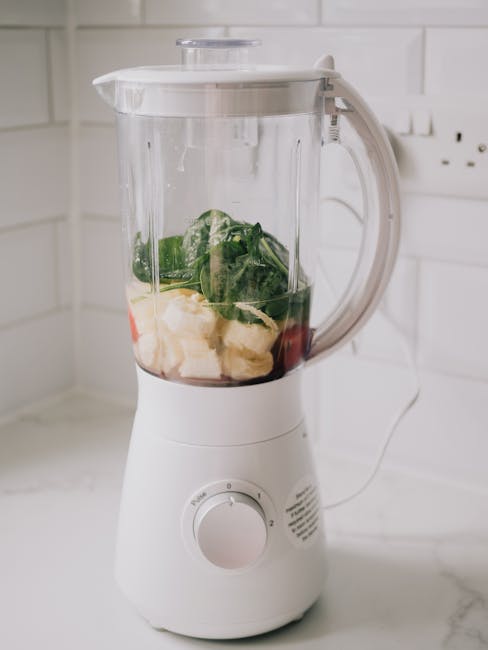
You grab that green smoothie from the café or blend one at home with a mountain of fruit, yogurt, and a splash of juice. It feels virtuous—a quick, healthy meal replacement that should support your weight loss goals. But the truth is, that seemingly innocent drink could be sabotaging your progress more than a candy bar. The problem lies in hidden sugar, a poor calorie-to-satiety ratio, and a blood sugar spike that sends your fat-burning hormones into a tailspin. Let's dive into the science of what's really in your cup and how to fix it.
Quick Takeaways

- Many smoothies contain 50+ grams of sugar—more than a can of soda.
- Blended fruit digests faster than whole fruit, leading to blood sugar spikes and hunger soon after.
- Without adequate protein and fiber, smoothies fail to support satiety or metabolism.
- Small swaps—like adding vegetables, protein powder, and healthy fats—transform a smoothie into a weight-loss ally.
The Hidden Sugar Trap in Your 'Healthy' Smoothie
Most homemade smoothies start with a liquid base (juice, milk, or yogurt), a few cups of fruit, and maybe a handful of spinach. That combination can easily deliver 40 to 80 grams of sugar per serving—largely from the natural sugars in fruit and any added sweeteners. For perspective, the American Heart Association recommends no more than 36 grams of added sugar per day for men and 25 grams for women. Even if the sugar is 'natural,' your body processes fructose and glucose from blended fruit much like it processes table sugar, especially in liquid form.
How Fruit-Forward Blends Spike Blood Sugar
When you eat a whole apple, the intact fiber slows sugar absorption, giving your liver time to process fructose gradually. But when you blend that same apple—and add bananas, mangoes, or grapes—you break down the cell walls, releasing free sugars that hit your bloodstream rapidly. A smoothie with three servings of fruit can cause a blood sugar spike comparable to a soda. This spike triggers a large insulin release, which promotes fat storage and blocks fat burning for hours afterward.
Store-Bought Smoothies Are Even Worse
Grab-and-go smoothies from cafes or grocery stores often pack in extra sugar from syrups, sherbets, or sweetened yogurt. A 16-ounce commercial smoothie can contain 70 to 90 grams of sugar and 400 to 600 calories—and you won't feel full because there's almost no protein or fiber. When you're deliberately choosing a 'health' drink, you'd never guess it contains as much sugar as two slices of cheesecake.
The Insulin Roller Coaster and Fat Storage
Repeated insulin spikes from high-sugar smoothies create a cycle: blood sugar rises, insulin surges, sugar is stored as fat, then blood sugar crashes—making you hungry and craving more carbs. This metabolic roller coaster is the opposite of what you want for steady weight loss. Even if your smoothie contains spinach or kale, the dominant effect from the fruit overrides any health halo.
Why Whole Fruits Outperform Blended Versions for Weight Loss
If you replaced your smoothie with whole fruit, you'd likely consume fewer calories, feel fuller, and experience better blood sugar control. The difference lies in physical structure and the way your body processes food. Whole fruits require chewing—which signals satiety to your brain—and their intact fiber slows digestion. Blending disrupts that structure, turning a solid meal into a rapidly absorbed liquid.
The Satiety Gap: Chewing vs Sipping
Chewing triggers the release of satiety hormones like cholecystokinin (CCK). When you drink your calories, you bypass this key signal. Studies show that people who consume the same number of calories in liquid form report less fullness and eat more at the next meal compared with those who eat whole foods. That afternoon smoothie might be holding you back from weight loss simply because it fails to satiate you.
Fiber Integrity and Digestion Speed
Blending does break down some insoluble fiber, but more importantly, it pulverizes the cell walls of fruit, freeing natural sugars. Even if you add a tablespoon of psyllium or chia seeds, the overall glycemic load of a fruit-heavy smoothie is still high. Whole fruits keep the fiber matrix intact, resulting in a slower, steadier release of energy.
Calorie Density: Liquid Calories Don't Register
Your brain is not great at tracking liquid calories. A 300-calorie smoothie feels far less satisfying than a 300-calorie meal of eggs, vegetables, and avocado. This disconnect often leads to overeating later in the day. If weight loss is your goal, you want every calorie to count toward satiety and stable blood sugar—two areas where most smoothies fall short.
Building a Metabolism-Friendly Smoothie: The Protein-Fiber Sweet Spot
The solution isn't to ban smoothies—it's to rebuild them with weight loss in mind. A true meal replacement smoothie should contain a balance of macronutrients that support muscle maintenance, stable energy, and fullness. The key metrics: 20–30 grams of protein, 10–15 grams of fiber, and minimal added or natural sugar (under 15 grams total).
The Ideal Protein Target (20–30 Grams per Serving)
Protein is the most satiating macronutrient and has a high thermic effect, meaning your body burns more calories digesting it. Without enough protein, your smoothie is essentially fruit juice with a little pulp. Use a clean protein powder (whey, pea, or collagen), or add Greek yogurt (unsweetened), cottage cheese, or silken tofu to hit the target. A scoop of protein powder typically provides 20–25 grams—perfect for a meal replacement.
Fiber-Rich Add-Ins That Curb Cravings
Fiber slows gastric emptying, blunts blood sugar spikes, and feeds beneficial gut bacteria. Boost your smoothie’s fiber with chia seeds (5g per tablespoon), ground flaxseed (3g per tablespoon), psyllium husk, or steamed cauliflower. Yes, cauliflower—it’s tasteless when blended and adds volume and creaminess without extra sugar. Spinach and kale contribute fiber too, but you need more than a handful to make a difference. Aim for at least two fiber sources per smoothie.
Healthy Fats to Stabilize Blood Sugar
A tablespoon of almond butter, half an avocado, or a teaspoon of coconut oil adds healthy fats that slow sugar absorption and promote satiety. Fats also help you absorb fat-soluble vitamins from any greens you add. Don’t fear healthy fats in your smoothie—they’re essential for preventing that afternoon crash and keeping you satisfied until your next meal.
Low-Sugar Fruit Choices
Not all fruits are created equal for weight loss. Bananas, mangoes, grapes, and dates are high in sugar and calories. Instead, use berries (strawberries, blueberries, raspberries) which are lower in sugar and packed with fiber and antioxidants. Limit fruit to one serving (about half a cup) per smoothie. Add zucchini, cucumber, or more greens to bulk up volume without sugar.
Common Smoothie Mistakes That Stall Fat Loss
Even with good intentions, it's easy to make choices that undermine progress. Recognizing these common pitfalls will help you keep your smoothie in weight-loss territory.
The 'Healthy' Base Trap
Juice, sweetened almond milk, or flavored yogurt are the top sources of hidden sugar. A cup of orange juice adds 22 grams of sugar—more than a doughnut. Use unsweetened almond milk, water, or plain unsweetened yogurt (or kefir). Check labels: flavored yogurts often contain 15–20 grams of added sugar per serving.
Portion Distortion
Many people make smoothies in large blenders and end up with 20-ounce servings (or more) containing 500+ calories. A meal replacement smoothie should be around 300–400 calories. Measure your ingredients, especially nut butters, seeds, and fruit. Use a 12-ounce glass and limit add-ins to the recommended amounts.
Timing Your Smoothie for Best Results
Drinking a smoothie as a snack between meals can easily derail your daily calorie budget if you don't adjust your meals accordingly. If you use a smoothie as a meal replacement, make sure it contains protein and fiber to keep you full for 3–4 hours. Avoid drinking a smoothie right after a high-calorie meal—it’s just extra calories. Best use: as a breakfast or post-workout meal when your body can utilize the nutrients for energy and recovery.
Practical Smoothie Makeover: Before and After
Let’s transform a typical 'health' smoothie into a weight-loss-friendly version. See the difference in calories, sugar, protein, and fiber.
Before: The Afternoon Sugar Bomb
- 1 cup orange juice (112 cal, 22g sugar)
- 1 banana (105 cal, 14g sugar)
- 1/2 cup frozen mango (60 cal, 13g sugar)
- 1 cup plain Greek yogurt (100 cal, 4g sugar—but many use flavored, which adds 15g+ sugar)
- 1 cup spinach (7 cal, 0g sugar)
- Totals: ~384 calories, 53g sugar (mostly from fruit and juice), 10g protein, 4g fiber
This smoothie has more sugar than a Snickers bar and will spike blood sugar, leading to a crash and cravings within an hour.
After: The Metabolism-Friendly Version
- 1 cup unsweetened almond milk (30 cal, 0g sugar)
- 1 scoop vanilla protein powder (120 cal, 1g sugar, 25g protein)
- 1/2 cup frozen strawberries (27 cal, 4g sugar)
- 1/2 cup steamed cauliflower (15 cal, 1g sugar)
- 1 tablespoon chia seeds (60 cal, 0g sugar, 5g fiber)
- 1-tablespoon almond butter (98 cal, 1g sugar)
- 1 cup spinach (7 cal, 0g sugar)
- Totals: ~357 calories, 7g sugar, 30g protein, 12g fiber
This version supports stable blood sugar, provides lasting satiety, and fits perfectly into a weight loss calorie budget. The taste is still sweet from the strawberries and vanilla, but the sugar is negligible.
Step-by-Step Guide to Building Your Own
- Choose a low-sugar liquid base (water, unsweetened almond milk, or plain yogurt).
- Add a protein source (20–30g of protein from powder, Greek yogurt, or cottage cheese).
- Add a fiber booster (chia seeds, flax, psyllium, or cauliflower).
- Add a healthy fat (1 tablespoon nut butter, 1/4 avocado, or 1 teaspoon oil).
- Add greens (spinach, kale, or cucumber—as much as you like).
- Add one serving of low-sugar fruit (berries are best; limit to 1/2 cup).
- Blend with ice and water to desired consistency.
Frequently Asked Questions About Smoothies and Weight Loss
Can smoothies be part of a weight loss diet?
Absolutely—if they are built with protein, fiber, and healthy fats, and kept to reasonable portion sizes (300–400 calories). Use them as meal replacements, not as snacks added to your regular diet.
Are green smoothies okay for weight loss?
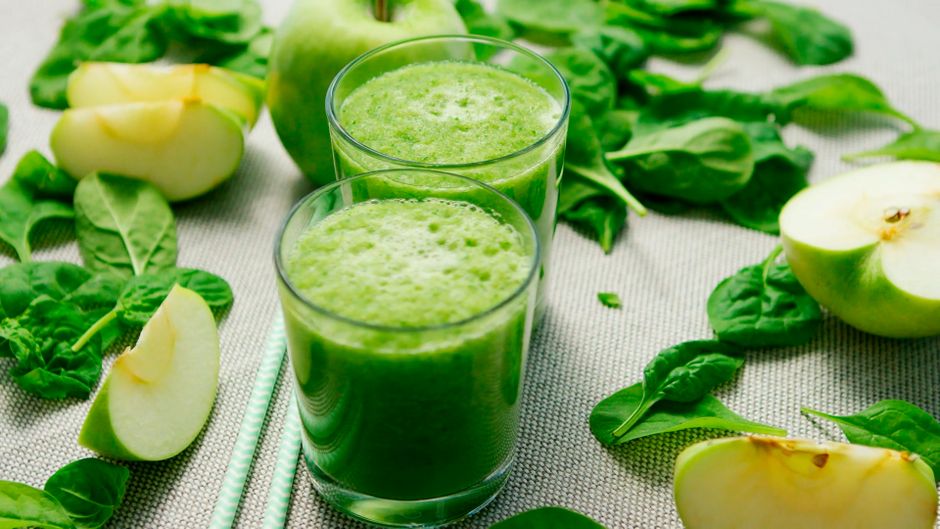
Green smoothies can be okay, but many are fruit-heavy with just a handful of greens. The greens are healthy, but the fruit sugar can still undermine weight loss. Follow the template above: limit fruit, add protein and fiber.
What about using protein powder? Is that healthy?
Protein powder can be a convenient way to get enough protein in a smoothie. Choose a reputable brand with minimal additives and added sugar. Whey, casein, and plant-based options all work well.
Is it better to eat whole fruit instead of blending?
For weight loss, whole fruit is generally better because it provides more satiety per calorie. However, if you enjoy smoothies, you can make them work by following the swaps above.
How often should I have a smoothie if I'm trying to lose weight?
Once per day as a meal replacement is fine for most people. Avoid drinking multiple smoothies daily, as they can add up in calories quickly even when healthy.
Conclusion: Rethink Your Smoothie, Reclaim Your Progress
Your afternoon 'health' smoothie doesn't have to sabotage your weight loss. By understanding the science of blood sugar, satiety, and nutrient balance, you can transform that liquid meal into a powerful tool for fat loss. The key is to ditch the fruit-heavy, sugar-laden blends and build smoothies around protein, fiber, and healthy fats. Next time you reach for the blender, ask yourself: Is this going to fuel my body and keep me satisfied, or is it just a sugar bomb in disguise? With a few simple swaps, your smoothie can become your weight loss ally.