
If you're hitting the gym six days a week, meticulously tracking macros, and still wondering why your results have plateaued, the culprit might be something you do every night—or fail to do. Sleep is not just a passive recovery period; it's an active, anabolic state where muscle repair, hormone regulation, and performance adaptation occur. Without adequate sleep, you are literally flushing your hard work down the drain. In this article, we'll break down the science-backed reasons why poor sleep undermines your fitness goals and provide a practical sleep optimization plan tailored for athletes and gym-goers.
Quick Takeaways: Sleep and Fitness Facts

- Deep sleep stages trigger the release of up to 70% of your daily growth hormone, which is essential for muscle repair and fat metabolism.
- Just one night of poor sleep can reduce your maximal strength output by 10–20% and decrease endurance performance significantly.
- Chronic sleep deprivation elevates cortisol, a catabolic hormone that breaks down muscle tissue and encourages fat storage, especially around the midsection.
- Optimizing your sleep environment and pre-bed routine can improve sleep quality by 30–50%, directly translating to better gym performance and faster recovery.
How Sleep Directly Controls Muscle Repair and Growth
Sleep is the primary window during which your body repairs micro-tears in muscle fibers caused by exercise. During the deepest stages of non-REM sleep (stage 3 and 4, often called slow-wave sleep), your pituitary gland secretes the majority of your daily growth hormone. This hormone stimulates protein synthesis, collagen production, and the conversion of amino acids into new muscle tissue.
The Growth Hormone Surge
Studies show that growth hormone release peaks within 30–90 minutes after you fall asleep. This surge is critical for muscle recovery and for mobilizing fat as an energy source. If your sleep is fragmented or too short, you miss this window. Consequently, your muscles cannot fully repair, and you risk overtraining syndrome even if you aren't training excessively.
Protein Synthesis and Sleep Quality
Protein synthesis—the building of new muscle—is closely tied to sleep continuity. One night of total sleep deprivation can reduce rates of protein synthesis by up to 20%. Over a week, this deficit compounds, meaning your body is breaking down muscle faster than it can rebuild. This is why people who sleep less than six hours per night often see slower gains, even when diet and exercise are perfect.
Memory Consolidation for Motor Skills
Beyond muscle repair, sleep helps consolidate the neural patterns learned during workouts. This process, known as motor memory consolidation, enhances your ability to perform complex lifts like squats, deadlifts, or Olympic weightlifting movements. Poor sleep can make you feel “off” on the bar, increasing injury risk.
The Cortisol-Fat Storage Connection: Why Sleep Deprivation Packs on Weight
Cortisol is your body's primary stress hormone. While it's useful in acute situations—like a short, intense workout—chronically elevated cortisol wreaks havoc on your metabolism. Sleep deprivation is one of the most powerful triggers for prolonged cortisol release.
Cortisol's Catabolic Effects
High cortisol levels signal your body to break down muscle tissue into amino acids for energy, a process called gluconeogenesis. This directly counteracts your efforts to build muscle. Moreover, cortisol increases insulin resistance, making it harder for your cells to uptake glucose. The result is that excess glucose gets stored as fat, especially in visceral adipose tissue—the deep belly fat linked to health risks.
Leptin, Ghrelin, and Appetite Disruption
Sleep deprivation also disrupts appetite-regulating hormones. Leptin, which signals fullness, decreases by up to 18% after four days of sleep restriction. Ghrelin, the hunger hormone, increases by 28% in the same timeframe. This double whammy makes you crave high-carb, high-fat foods and feel less satisfied after meals, making it nearly impossible to stick to a clean diet.
Real-World Example: The Overnight Impact
Consider a 2011 study published in the Annals of Internal Medicine where healthy young men reduced their sleep to 5.5 hours per night for eight days. Their fat-loss from a calorie deficit decreased by 55%, and they lost more lean muscle mass instead of fat. This demonstrates that even if you eat perfectly, poor sleep can sabotage your body composition goals.
Reduced Performance: The Immediate Impact of Poor Sleep on Your Workouts
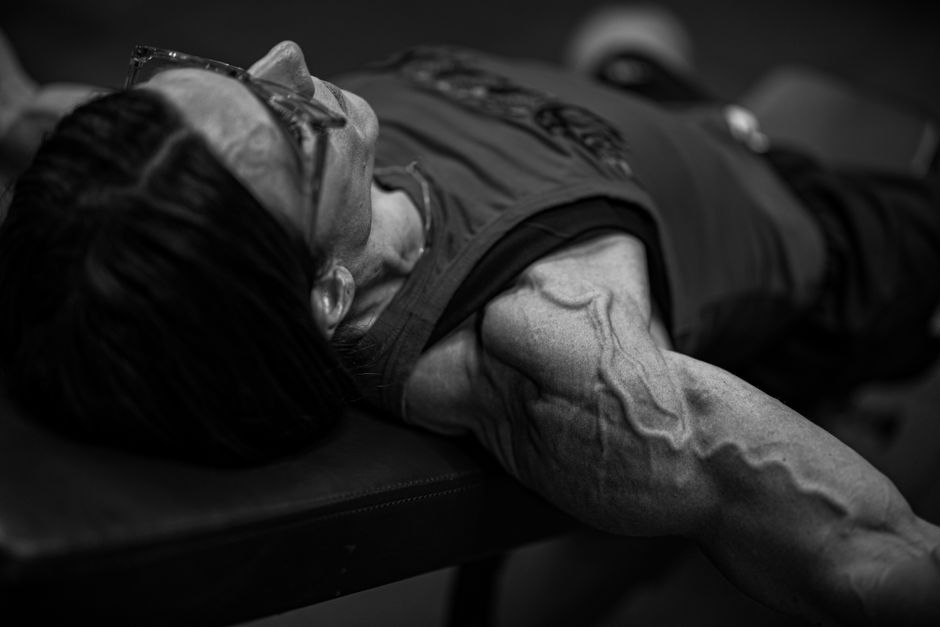
One bad night of sleep can visibly reduce your training performance the next day. You might feel weaker, slower, and less motivated. The science confirms these subjective feelings.
Strength and Power Decrements
Research shows that maximal strength output (1RM) can drop by 10–20% after just one night of sleep deprivation. Power output during explosive movements like sprints or jumps declines even more. This means you'll need heavier weights just to achieve the same relative effort, or you'll be forced to train with reduced loads—both slowing progress.
Endurance and VO2 Max
Endurance athletes also suffer. A meta-analysis of over 200 studies found that sleep loss reduced time to exhaustion by 11% and lowered VO2 max (a measure of aerobic capacity) by 7% on average. The perception of effort also increases, making the same run feel much harder, which can lead to early workout termination.
Mental Focus and Injury Risk
Sleep deprivation impairs reaction time, hand-eye coordination, and decision-making. In a gym setting, this increases the chance of form breakdown and injury, especially during complex lifts or high-intensity interval training. A tired athlete is a dangerous athlete.
Practical Sleep Hygiene Tips for Fitness Enthusiasts
Improving sleep quality doesn't require a complicated protocol. Small, consistent changes yield massive returns. Here are six evidence-based adjustments specifically designed for people who train hard.
1. Time Your Workouts and Meals Strategically
Intense exercise elevates core temperature and releases adrenaline. If you train within two hours of bedtime, your body may still be in a “fight-or-flight” state. Schedule your workouts at least three hours before sleep. Additionally, avoid large meals rich in protein and fat within 60–90 minutes of bed; the digestive process can disrupt sleep onset. A small, carbohydrate-rich snack (like a banana or a bowl of oatmeal) may actually help by boosting serotonin and melatonin.
2. Create a Cool, Dark, and Quiet Sleep Environment
Your body needs to drop its core temperature by 1–2°F to initiate sleep. The ideal bedroom temperature is 65–68°F (18–20°C). Use blackout curtains, an eye mask, and a white noise machine to block disruptions. Keep phones and screens out of the bedroom, or at least enable blue light filters an hour before bed.
3. Establish a Consistent Pre-Sleep Routine
Athletes thrive on routine. Thirty minutes before bed, do the same set of activities: foam rolling, gentle stretching, journaling, or reading. This signals your brain to shift into relaxation mode. For best results, include deep breathing exercises (like box breathing) to lower cortisol acutely.
4. Limit Caffeine and Alcohol
Caffeine has a half-life of up to six hours; avoid it after 2 p.m. to prevent sleep disruption. Alcohol, while initially sedating, fragments sleep architecture, reducing REM and deep sleep. If you drink, limit to one serving and finish at least two hours before bed.
5. Use Smart Supplements (Not Sleep Pills)
Magnesium glycinate (200–400 mg), L-theanine (100–200 mg), and melatonin (0.5–3 mg) can support sleep without grogginess. Avoid prescription sleep aids that reduce deep sleep; they may help you fall asleep but weaken recovery. Always consult a healthcare provider before starting supplements.
6. Expose Yourself to Morning Sunlight
Morning light exposure within 30 minutes of waking—especially natural sunlight—helps reset your circadian rhythm. This makes it easier to fall asleep at night and improves sleep quality. Even on rest days, step outside for 10–15 minutes.
Common Sleep Mistakes Athletes Make (And How to Fix Them)
Even the most dedicated lifters can fall into sleep-sabotaging habits. Here are four frequent errors and simple corrections.
Mistake #1: Training Too Late in the Day
If you work out after 8 p.m., you're fighting your biology. The spike in cortisol and body temperature can delay sleep onset by an hour or more. If your schedule forces late training, prioritize a cool-down period: 10 minutes of light stretching and a cold shower can help bring your body temperature down.
Mistake #2: Using Electronics Right Before Bed
Blue light from phones, tablets, and laptops suppresses melatonin production. Even “night mode” settings are insufficient for many people. The best fix is a digital curfew: put all screens away 60 minutes before sleep. Replace that time with a warm bath (which aids in temperature drop) or reading a physical book.
Mistake #3: Consuming Protein Shakes Too Close to Bed
While protein timing matters for muscle protein synthesis, a heavy shake with casein or whey right before sleep can cause digestive discomfort. If you need a nighttime protein source, opt for a small serving of Greek yogurt or a hydrolyzed casein shake that digests more evenly. Aim for at least 90 minutes gap between your last large protein hit and bedtime.
Mistake #4: Overlooking Sleep Tracking as Feedback
Many athletes obsess over macros and training logs but ignore sleep data. Use a simple sleep diary or a wearable tracker (if you have one) to note your sleep duration, quality, and how you feel the next day. This data helps you adjust your routine. For example, if you notice you wake groggy after a late heavy meal, you can try eating earlier for a week and compare results.
FAQ: Sleep and Fitness
How many hours of sleep do I need to maximize gains?
For most athletes, 7–9 hours per night is optimal. Individual needs vary, but consistently getting less than 6 hours will significantly hamper recovery and performance. Try sleeping 8 hours for two weeks and track your gym performance—most people see noticeable improvements.
Can I make up for lost sleep on weekends?
Partially. While catching up on one night's sleep can reduce fatigue, chronic sleep debt cannot be fully repaid. Irregular sleep patterns also disrupt your circadian rhythm, making it harder to fall asleep on Sunday night. Aim for consistent bed and wake times even on weekends.
Does the type of exercise affect my sleep quality?
Yes, but the effect is mostly positive. Moderate aerobic exercise (like jogging) and resistance training both improve sleep quality by reducing anxiety and helping regulate core temperature. However, extremely intense or high-volume training close to bedtime can backfire. Listen to your body.
What if I still can't sleep despite following all tips?
If you practice good sleep hygiene for a month and still struggle, consider consulting a sleep specialist. Conditions like sleep apnea, restless legs syndrome, or chronic insomnia require medical treatment. Do not ignore persistent sleep issues—they may be costing you more than just gains.
Conclusion: Prioritize Sleep for Unstoppable Gains
You have the power to improve your sleep quality starting tonight. For the next 14 days, commit to at least seven hours of sleep, a consistent bedtime, and the hygiene habits outlined here. Track your performance in the gym—how much weight you lift, your running pace, your energy levels—and you'll likely see a measurable improvement. Remember, sleep is not a luxury; it's a non-negotiable pillar of fitness alongside nutrition and training. By respecting your sleep, you give your body the tool it needs to build muscle, burn fat, and perform at its peak. Sweet dreams, and even sweeter gains.