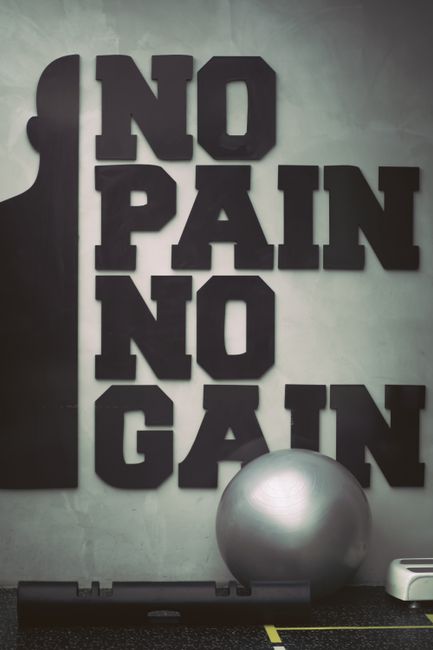
If you’ve ever pushed through exhaustion, ignored sore muscles, or forced yourself to train while injured, you’ve likely bought into the old gym mantra: No pain, no gain. But mounting evidence from sports science tells a different story—one where rest is just as important as effort. The truth is, muscle growth happens during recovery, not during the workout itself. Overtraining doesn’t build strength; it creates plateaus, injuries, and burnout. Here’s why letting go of the ‘no pain, no gain’ mindset will actually help you get stronger, faster, and healthier.
Quick Takeaways

- Muscle fibers repair and grow only when you rest—training too hard without recovery stops progress.
- Overtraining syndrome is a real condition that ruins performance, sleep, and mood.
- Sleep and nutrition are non-negotiable for recovery; without them, you’re spinning your wheels.
- Deload weeks prevent burnout and help you break through plateaus.
- Listen to your body: chronic soreness, declining lifts, and irritability are red flags.
- A recovery-first training schedule can maximize gains while minimizing injury risk.
1. Muscle Growth Happens During Recovery, Not During Workouts
The moment you finish a set, your body begins repairing the microscopic tears in muscle fibers. This process—driven by protein synthesis—takes hours to days to complete. If you train the same muscles again before they’ve fully recovered, you interrupt that repair and actually lose strength. The ‘no pain, no gain’ mentality tricks you into thinking more work equals more results, but the science says otherwise: gains come from the rest period, not the lifting session.
Why It Matters
Without adequate recovery, your body never gets a chance to supercompensate—the phase where muscles rebuild stronger than before. Skipping rest days doesn’t accelerate progress; it stalls it.
Practical Example
Imagine you squat heavy on Monday. Your muscles are sore Tuesday and Wednesday. By Thursday, they’re ready again. If you squat again on Tuesday, you’re training a damaged muscle, leading to poor form and no real strength increase.
Implementation Note
Schedule at least 48 hours between sessions for the same muscle group. For legs, this often means 72 hours. Use this time for active recovery like walking or light stretching.
2. Overtraining Syndrome: The Real Price of Ignoring Rest
Overtraining isn’t just feeling tired—it’s a clinical condition characterized by decreased performance, hormonal imbalances, and increased injury risk. Research shows that athletes who push through excessive volume without deloads experience elevated cortisol, suppressed testosterone, and a weakened immune system. The ‘no pain, no gain’ philosophy directly contributes to this syndrome.
Why It Matters
Overtraining syndrome can take weeks or months to reverse. It isn’t a badge of honor; it’s a clear signal that your training plan is broken.
Practical Example
Consider a runner who increases mileage by 20% every week without any easy weeks. After a month, they feel constant fatigue, can’t hit their usual pace, and get injured. That’s overtraining in action.
Implementation Note
Follow the 10% rule for weekly volume increases, and build in a deload week every 4–6 weeks where you reduce intensity or volume by 50%.
3. Sleep and Nutrition: The Unsung Heroes of Performance Gains
Recovery isn’t passive. Your body does most of its repair work during deep sleep stages, and without proper nutrients, it lacks the building blocks for protein synthesis. The ‘no pain, no gain’ crowd often overlooks these fundamentals, focusing only on workout intensity.
Why It Matters
Sleep deprivation reduces muscle recovery by up to 60%, according to studies on athletes. Poor nutrition—especially insufficient protein—means your body cannibalizes muscle for energy instead of building it.
Practical Example
Two lifters follow the same program. Lifter A sleeps 7–8 hours and eats 1.6 grams of protein per kilogram of body weight. Lifter B sleeps 5 hours and skips post-workout meals. After 8 weeks, Lifter A gains significant strength; Lifter B plateaus.
Implementation Note
Aim for 7–9 hours of quality sleep per night. Consume protein within two hours after exercise (0.4–0.5 g/kg is a good target). Hydration and carbohydrate timing also matter—don’t neglect them.
4. Deload Weeks: Why Taking a Step Back Leads to Two Steps Forward
A deload week is a planned reduction in training volume or intensity, typically 40–60% of your normal load. It allows your central nervous system, joints, and muscles to fully recover. Many ‘no pain, no gain’ advocates see deloading as weakness, but it’s actually a proven method to prevent plateaus and prolong progress.
Why It Matters
Without deloading, cumulative fatigue builds until your body forces a rest—often through injury or illness. Short, planned breaks are far better than forced layoffs.
Practical Example
After 4 weeks of progressive overload, reduce your working weight by 20% and the number of sets by 30% for one week. The following week, you’ll likely feel stronger and more energetic.
Implementation Note
Schedule a deload week every 4–6 weeks, or whenever you notice your strength stalling for two consecutive sessions. Listen to your body—if you feel persistently flat, deload sooner.
5. Chronic Soreness, Declining Performance, and Irritability: Practical Signals to Watch
Your body gives clear warnings when it’s overstressed. Three major red flags are chronic muscle soreness that lasts beyond 72 hours, declining performance (weights feeling heavier, slower times), and mood changes like irritability or lack of motivation. The ‘no pain, no gain’ mantra tells you to push through these—but that’s exactly the wrong response.
Why It Matters
Ignoring these signs can lead to injury, illness, and mental burnout. Recognizing them early allows you to adjust before damage occurs.
Practical Example
You usually squat 100 kg for 5 reps. This week, 80 kg feels heavy. Your legs are constantly tight, and you find yourself snapping at family. These are classic overtraining indicators.
Implementation Note
Keep a simple training log tracking perceived exertion, soreness levels (1–10), and mood. If any of these trend negative for more than a week, take an extra rest day or deload.
6. A Simple Recovery-First Training Schedule
Here’s a sample weekly schedule that prioritizes recovery while still allowing solid training stimulus. It’s based on three full-body workouts per week with at least one rest day between sessions.
- Monday: Heavy strength session (compound lifts, 4–6 rep range)
- Tuesday: Active recovery (brisk walk, mobility work, light stretching)
- Wednesday: Moderate strength session (8–12 rep range, accessory work)
- Thursday: Full rest or gentle yoga
- Friday: Strength session (mixed rep ranges, focus on technique)
- Saturday or Sunday: Low-intensity cardio (20–30 minutes) and foam rolling
Why It Matters
This schedule gives each muscle group at least 48 hours to recover between sessions, while including dedicated recovery days that prevent cumulative fatigue.
Implementation Note
Adjust based on your schedule and goals. The key principle: never train the same muscles heavily two days in a row. If you’re more advanced, consider a push-pull-legs split with similar rest intervals.
Bonus: The Mindset Shift from 'Go Hard' to 'Train Smart'
The most important change you can make is internal. Instead of measuring success by how sore you are or how much you sweat, focus on consistent progress over time. Celebrate hitting your planned reps with good form, completing a full deload week without guilt, and waking up feeling refreshed after a rest day. That’s the real win.
Why It Matters
A healthy relationship with exercise prevents burnout and keeps you training for decades. The ‘no pain, no gain’ mindset leads to short-term results followed by long-term injuries.
Practical Example
Swap your post-workout metric from “I feel wrecked” to “I performed my sets with control and left some reps in the tank.” The latter predicts sustainable progress.
Implementation Note
Write down three signs of progress that don’t involve pain, such as improved sleep, increased weight on the bar over weeks, or better mood after exercise. Refer to them when the old mantra creeps back.
How to Choose Your Next Step
If you’re currently following a ‘no pain, no gain’ approach, start by auditing your routine. Do you have at least one full rest day per week? Do you take a deload week every 4–6 weeks? Are you sleeping 7–9 hours and eating enough protein? If the answer to any of these is no, that’s your first change. Small adjustments in recovery will yield bigger gains than doubling down on intensity.
Conclusion
The evidence is clear: muscle growth and strength come from the rest period between workouts, not from extreme effort alone. The ‘no pain, no gain’ mantra isn’t just outdated—it’s dangerous. By embracing recovery, listening to your body, and training smartly, you’ll progress faster, avoid injury, and actually enjoy the process. Stop sabotaging your fitness with toxic slogans and start building a routine that works with your biology, not against it.