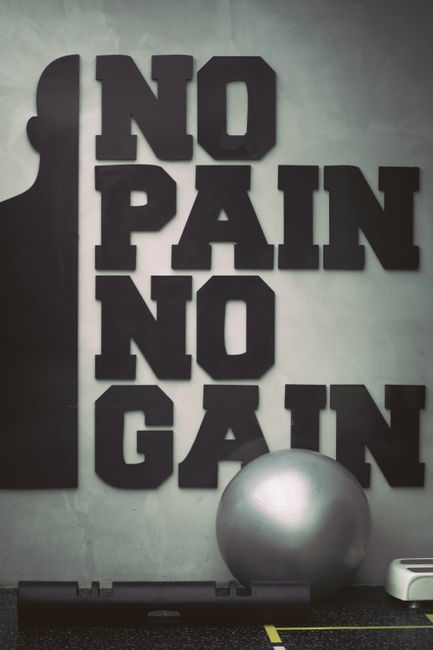
For decades, the fitness world has been dominated by a single, gritty mantra: “No pain, no gain.” It echoes in gym locker rooms, shouts from motivational posters, and whispers in our own heads when we want to quit. But does this mindset actually lead to better results—or does it derail progress and invite injury?
According to sports scientist Dr. Sarah Mitchell, the evidence is clear: pushing through pain is not a shortcut to gains; it’s a fast track to burnout, injury, and stalled progress. In this interview, Dr. Mitchell explains why the pain myth persists, what the science really says about sustainable training, and how you can build a fitness plan that respects your body without sacrificing results.
Quick Takeaways
- Muscle growth occurs during recovery, not during the workout itself.
- Overtraining increases cortisol, impairs immune function, and reduces performance.
- Learning to distinguish productive discomfort from harmful pain is a skill that prevents injury.
- Deload weeks and active rest are essential for long-term progress.
Meet the Expert: Dr. Sarah Mitchell
Dr. Sarah Mitchell is a certified sports scientist and professor of exercise physiology at the University of Colorado. With over 15 years of research experience in training adaptation and recovery, she has published more than 40 peer-reviewed studies on overtraining syndrome, periodization, and injury prevention. Her book Train Smarter, Not Harder is a go‑to resource for coaches and athletes seeking evidence‑based training methods.
The Q&A: Debunking the Myth
Where did the “no pain, no gain” mindset come from, and why is it so persistent?
Dr. Mitchell: The phrase dates back to the 1980s aerobics boom, popularized by fitness personalities who equated intensity with virtue. It was reinforced by bodybuilding culture, where “feel the burn” became a badge of honor. The mindset persists because it’s simple, emotionally charged, and gives people a sense of effort—effort feels like progress. But feel-good effort isn’t the same as effective training.
In fitness culture, pain is often romanticized. We celebrate athletes who “push through it,” ignoring the fact that many of them end up sidelined with chronic injuries. The reality is that our bodies evolved to send pain signals for a reason—to protect us.
What does the research say about training through pain?
Dr. Mitchell: Overwhelmingly, studies show that ignoring pain leads to overtraining, hormonal imbalances, and higher injury rates. For example, a 2018 meta-analysis in the Journal of Sports Sciences found that athletes who trained through musculoskeletal pain had a 70% higher risk of overuse injuries. Another study tracked weightlifters who trained at maximum intensity without deload weeks; after eight weeks, their strength gains plateaued, and cortisol levels remained elevated—a classic sign of overtraining syndrome.
Moreover, the idea that muscle soreness (DOMS) is a measure of workout quality is outdated. DOMS simply indicates muscle damage plus inflammation—not necessarily growth. You can build significant strength and muscle with minimal soreness if your program is properly designed.
How does overtraining actually hurt progress?
Dr. Mitchell: Overtraining creates a catabolic state. Your body produces more cortisol, which breaks down muscle tissue and impairs protein synthesis. Sleep quality declines, appetite regulation gets disrupted, and you may feel chronically fatigued. Many people think they are “plateauing” when, in reality, they are overreaching without enough recovery.
I often see clients who train seven days a week, doing high‑intensity cardio and heavy lifting every day. They wonder why they aren’t losing fat or gaining muscle. The answer is simple: their nervous system is fried, and their hormones are out of balance. Sustainable progress requires cycling intensity and incorporating recovery phases.
The Role of Recovery in Long-Term Growth
Can you explain the science behind recovery and muscle adaptation?
Dr. Mitchell: Muscle growth (hypertrophy) occurs during rest, not during the workout. When you lift weights, you create micro‑tears in muscle fibers. During recovery, your body repairs those fibers and adds extra protein to prepare for future stress—that’s how muscles grow. Without adequate recovery, the repair process is incomplete, and you actually lose tissue over time.
Recovery also affects the central nervous system. Intense training depletes neurotransmitters and creates fatigue in the motor pathways. If you don’t allow your nervous system to recharge, your coordination, power output, and even motivation decline.
What are deload weeks, and who needs them?
Dr. Mitchell: A deload week is a planned reduction in training volume and/or intensity—usually by 40–60%—for one week every four to six weeks. It’s not a week off; you still move, but at a lower level. Deloading allows connective tissues to heal, resets your nervous system, and reduces the risk of overuse injuries.
Every serious lifter needs deload weeks. Even casual exercisers benefit from them. I recommend beginning with a deload every fifth week, then adjusting based on how you feel. If you wake up tired, have persistent soreness, or see your performance dropping, it’s time to deload sooner.
What about active rest? Does it count as training?
Dr. Mitchell: Active rest days involve light movement—walking, stretching, yoga, or easy cycling—that promotes blood flow without taxing the body. It’s not training; it’s recovery. Active rest accelerates lactate clearance, reduces stiffness, and improves mood. It’s one of the most overlooked tools in fitness. I tell my clients: “Your active rest days are just as important as your hardest workouts.”
Distinguishing Productive Discomfort from Harmful Pain
How can the average gym‑goer tell the difference between good discomfort and bad pain?
Dr. Mitchell: That’s the million‑dollar question. Here’s a simple framework:
Productive discomfort includes the “burn” of a high‑rep set, the breathlessness during a sprint interval, or the fatigue after a heavy squat. It feels like effort, not sharp or localized pain. It fades quickly when you stop.
Harmful pain is sharp, stabbing, or throbbing. It’s often felt in a specific joint (knee, shoulder, lower back) or along a tendon. It may persist after the workout or worsen with movement. If you wince during an exercise, that’s a red flag.
A good rule is the “two‑hour test”: if a pain lasts more than two hours after your workout, or if it changes your gait or movement pattern, you need to modify or stop that movement. Many injuries start small and become chronic because people push through that warning signal.
Can pain ever be ignored safely?
Dr. Mitchell: Rarely. The only exception might be general muscle soreness that doesn’t affect your form. But even then, if soreness is so severe that you can’t perform a full range of motion, you need more recovery. Ignoring joint pain is never safe—it can lead to tendinopathy, stress fractures, or ligament damage.
Building a Sustainable Training Plan
What are the key components of a sustainable program?
Dr. Mitchell: I recommend a periodized approach that cycles through phases of accumulation (higher volume, moderate intensity), intensification (lower volume, high intensity), and recovery (deload). For most people, three to four strength sessions per week plus two low‑intensity cardio sessions (like brisk walking or cycling) is sufficient.
Here’s a sample weekly structure for someone with general fitness goals:
- Monday: Full‑body strength (moderate intensity, 8‑10 reps)
- Tuesday: Active recovery (30‑minute walk or yoga)
- Wednesday: Full‑body strength (higher intensity, 5‑8 reps)
- Thursday: Low‑intensity cardio (45 minutes, zone 2 heart rate)
- Friday: Full‑body strength (moderate intensity, 10‑12 reps)
- Saturday: Active recovery or fun activity (hiking, swimming)
- Sunday: Complete rest
Every fourth or fifth week, reduce volume and intensity by half. Listen to your body. If you feel consistently run down, take an extra rest day.
What advice do you have for someone who is addicted to the “push harder” mentality?
Dr. Mitchell: Start by redefining what progress means. Instead of measuring success by how sore you are or how much you sweat, track objective markers: strength gains, improved endurance, better sleep, lower resting heart rate, and how you feel mentally. If you can increase your squat by 5% over eight weeks with minimal soreness, that is far better than pushing through pain and getting injured.
Also, schedule your deload weeks at the start of your training cycle—don’t wait until you’re broken. And find a coach or a training partner who values longevity over intensity. The best athletes in the world are not the ones who train the hardest; they are the ones who train the smartest and recover the most.
Key Takeaways from Dr. Sarah Mitchell
- Pain is a protective signal, not a training goal.
- Recovery (sleep, nutrition, active rest, and deload weeks) drives progress.
- Overtraining impairs hormones, immunity, and performance—so avoid the “more is better” trap.
- Use the “two‑hour test” to distinguish discomfort from harmful pain.
- Periodize your training with planned recovery phases for sustainable gains.
Remember: true fitness is a marathon, not a sprint. You don’t have to hurt to improve—you just have to train intelligently.
About the Expert
Dr. Sarah Mitchell, PhD, is a sports scientist and professor at the University of Colorado. She is the author of Train Smarter, Not Harder and the host of the podcast Evidence‑Based Fitness. Follow her on Instagram @drsarahmitchell or visit drsarahmitchell.com for free training templates and recovery guides.