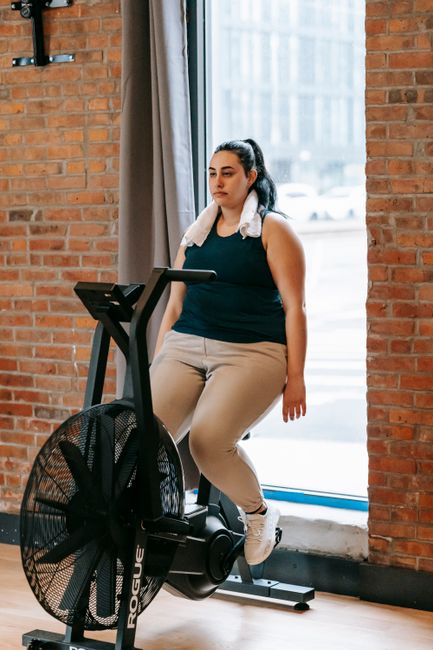
If you've spent any time in fitness circles, you've likely heard the claim that doing cardio on an empty stomach—known as fasted cardio—burns more fat. It sounds logical: if your body has no food to use for energy, it must dip into fat stores. But the scientific evidence tells a different story. Fasted cardio is overrated for fat loss, and in many cases, it can actually work against your goals by reducing workout intensity, promoting muscle breakdown, and providing no real metabolic advantage over fed cardio. This FAQ-style guide breaks down the myth, reviews the research, and offers smarter, evidence-based ways to lose fat without sacrificing performance or muscle.
What is fasted cardio and why is it so popular?
Fasted cardio simply means performing aerobic exercise—like jogging, cycling, or walking—after a period of not eating, typically first thing in the morning before breakfast. The idea is that with low insulin and depleted glycogen, your body will rely more on fat for fuel. The popularity of fasted cardio soared thanks to bodybuilders and influencers who claimed it helped them get leaner faster. But popularity doesn't equal effectiveness, and the research paints a different picture.
Does the 'fasted state' really burn more fat?
In the short term, yes—fasted exercise does increase fat oxidation (the burning of fat for energy) during the workout itself. However, this does not translate into greater overall fat loss over 24 hours or weeks. Your body is smart: it compensates after the workout by burning more carbohydrates and storing more fat later in the day. Several studies have shown that while fasted cardio may shift the fuel source during exercise, the net effect on body composition after several weeks is negligible.
What the research says
A landmark meta-analysis by Schoenfeld and colleagues (2014) reviewed studies comparing fasted versus fed cardio and found no significant difference in body fat reduction between the two conditions. More recent research continues to confirm that as long as total calorie intake and expenditure are equal, the timing of meals around cardio doesn't matter for fat loss. The key factor is the overall calorie deficit, not whether you ate before a workout.
What does research say about fasted vs. fed cardio for fat loss?
Multiple randomized controlled trials have directly compared groups doing fasted cardio versus fed cardio over 4–12 weeks. Consistently, changes in body fat percentage, waist circumference, and total fat mass are similar between groups. For example, a 2016 study in the Journal of the International Society of Sports Nutrition found that women who did either fasted or fed morning cardio saw equal fat loss over four weeks. The only real difference? The fed group performed better during their workouts.
Can fasted cardio help with stubborn belly fat?
No. Spot reduction—the idea that you can lose fat from a specific area by exercising it on an empty stomach—is a myth. Fat loss occurs systemically, driven by a calorie deficit. Your body decides where it pulls fat from based on genetics, hormones, and your individual fat distribution. Fasted cardio won't target belly fat any more than fed cardio will. For reducing visceral fat, the most effective approach is a consistent calorie deficit combined with resistance training and adequate protein.
Does fasted cardio cause muscle loss?
Yes, it can. When you exercise in a fasted state, your body's insulin levels are low, which reduces the anabolic (muscle-building) signal. Cortisol, a stress hormone that can break down muscle tissue, tends to be higher. Research shows that fasted cardio, especially when done for long durations or at high intensity, can increase muscle protein breakdown. Over time, this can lead to loss of lean mass, which is counterproductive for fat loss because muscle is metabolically active and helps you burn more calories at rest.
Who is most at risk?
If you're already in a calorie deficit, doing fasted cardio may accelerate muscle loss. Individuals with higher protein needs, such as athletes or older adults, should be especially cautious. A better approach is to have a small protein-rich snack before morning cardio—like a boiled egg or a protein shake—to blunt muscle breakdown while still promoting fat oxidation.
Can fasted cardio reduce workout intensity and performance?
Absolutely. Without readily available glucose, your body can't sustain high-intensity exercise as effectively. Many people report feeling sluggish, lightheaded, or unable to push as hard during fasted cardio. Lower intensity means fewer calories burned per session, which can actually slow your fat loss progress. A 2018 study found that cyclists who ate before a time trial performed significantly better than those who fasted. If your goal is to maximize calorie burn and improve fitness, being fueled is crucial.
Is there any metabolic advantage to fasted cardio?
No lasting metabolic advantage exists. While some proponents claim that fasted cardio boosts your metabolism for hours after exercise, the evidence shows that the total daily energy expenditure (TDEE) is similar whether you do fasted or fed cardio. The body adapts to the fuel shift, and any temporary increase in fat oxidation is offset by later carbohydrate burning. The only real metabolic factor that matters for fat loss is your total calorie deficit over time.
What is the best approach for maximizing fat loss without sacrificing muscle?
The evidence-based approach is to focus on the following:
- Create a moderate calorie deficit (300–500 calories below maintenance) through diet and exercise.
- Prioritize resistance training to preserve and build muscle, which boosts resting metabolism.
- Include high-intensity interval training (HIIT) or steady-state cardio, but fuel appropriately before higher-intensity sessions.
- Eat adequate protein (1.6–2.2 grams per kilogram of body weight) to support muscle retention.
- Be consistent with your routine, as adherence matters more than meal timing.
Should you eat before or after a workout for fat loss?
It depends on your goals and the type of workout. If you're doing low-intensity, short-duration exercise (like a 30-minute walk), eating beforehand is optional. But for any workout that requires strength, speed, or endurance, eating a small meal or snack 1–2 hours before can improve performance, leading to more calories burned and better muscle preservation. Post-workout nutrition is also important—especially protein—to support recovery and muscle synthesis.
How can you create a calorie deficit without relying on fasted cardio?
You can create a deficit through dietary adjustments alone, but exercise helps. The best approach is to combine a modest reduction in calorie intake (e.g., cut out sugary drinks, control portion sizes) with a mix of strength training and cardio that you enjoy and can sustain. Tracking your food intake with a simple app for a few weeks can help you understand your eating patterns. Then, gradually reduce calories by 200–300 per day, while keeping protein high. This is far more effective than relying on the marginal (and often non-existent) benefit of fasted cardio.
Related questions about fasted cardio
Is it okay to do fasted cardio sometimes?
Yes, occasional fasted cardio is fine for most people, especially if you prefer training on an empty stomach or have a busy schedule. Just be aware that it may not enhance fat loss and could compromise performance. If you enjoy it and it helps you stay consistent, there's no harm as long as you prioritize overall calorie balance and protein intake.
What should I eat before morning cardio?
If you want to fuel your workout, a small snack with carbs and protein works well. For example: a banana with a tablespoon of peanut butter, a slice of toast with an egg, or a small protein shake. Aim to eat 30–60 minutes before exercise to allow for some digestion.
Can I do fasted cardio on a keto diet?
People on a ketogenic diet are already in a state of nutritional ketosis, meaning they rely more on fat for fuel. In that case, fasted cardio may not cause the same dip in performance because the body is adapted to use fat efficiently. However, the overall fat loss advantage is still minimal, and muscle preservation remains a concern.
How long should I fast before cardio for maximum fat burning?
There's no magic number, but most studies define fasted as 8–12 hours without food. Longer fasts (e.g., 16+ hours) may increase fat oxidation even more, but they also increase the risk of muscle breakdown, hypoglycemia, and poor performance. The potential benefit is small and likely not worth the trade-offs.
In summary, fasted cardio is an overrated tool for fat loss. The science is clear: meal timing around exercise has little to no effect on weight loss when total calories are controlled. Instead of chasing gimmicks, focus on consistent training, a modest calorie deficit, and adequate protein. That's the real secret to lasting fat loss without sacrificing your hard-earned muscle.