
If you're constantly telling yourself you don't have 45 minutes to work out, you're not lazy—you're probably just uninformed about a game-changing approach called exercise snacking. This method replaces long, scheduled gym sessions with short, frequent bursts of activity—often just one to two minutes—scattered throughout your day. The practical implication is huge: you can improve cardiovascular health, boost metabolism, and even burn more fat without ever stepping into a gym. In this tutorial, you'll learn exactly what exercise snacking is, why it works according to recent sports science, and how to build a simple, sustainable routine that fits your busiest schedule.
Quick Takeaways

- Exercise snacking involves multiple short bouts (1–2 minutes) of vigorous activity spread across the day.
- Research shows that short bursts can produce similar or superior metabolic benefits compared to continuous moderate exercise.
- You can start with bodyweight moves, stair climbing, or desk exercises—no equipment needed.
- Common myths about needing long workouts are debunked by the science of high-intensity interval training (HIIT).
- Consistency matters more than duration; five 2-minute snacks can total 10 minutes of high-quality work.
What Is Exercise Snacking? A Beginner-Friendly Definition
Exercise snacking is a term that originated in sports science research around 2019. It describes brief, isolated bouts of vigorous physical activity performed throughout the day, often without any formal warm-up or cool-down. Think of it as the opposite of a 60-minute gym session: instead of one big meal of exercise, you eat small, frequent snacks. Each snack typically lasts 30 seconds to 2 minutes and is done at an intensity that leaves you slightly breathless. The key difference from accidentally walking to the coffee machine is intention—you deliberately raise your heart rate several times a day.
Origins in Recent Research
A 2019 study published in Applied Physiology, Nutrition, and Metabolism found that stair climbing as a snack (three bouts of 60 seconds each) improved cardiorespiratory fitness in sedentary young adults. Follow-up research showed that even 1-minute bursts of intense stair climbing, repeated three times per day, significantly improved peak oxygen uptake and leg power. This isn't just for athletes—it's specifically designed for people who feel they have no time for traditional workouts.
Why It’s Different from Traditional HIIT
Traditional HIIT workouts usually involve a structured warm-up, several rounds of high-intensity intervals, and a cool-down—often taking 20–30 minutes. Exercise snacking removes the overhead. You don't change clothes, you don't drive to a gym, and you don't need to block out a chunk of time. You simply insert a short burst into a natural break in your day: after a phone call, before lunch, or while waiting for a meeting to start.
The Science Behind Short Bursts: How They Boost Metabolism and Fat Loss
The idea that you need at least 30 minutes of continuous exercise to burn fat is a persistent myth. In reality, the body's metabolic response to short, intense efforts is remarkably similar—and sometimes superior—to longer endurance sessions. When you perform a 1- to 2-minute burst at near-maximal effort, you deplete muscle glycogen quickly, triggering a metabolic afterburn effect known as excess post-exercise oxygen consumption (EPOC). This means your body continues to burn calories at an elevated rate for hours after the snack ends.
Calorie Burn Comparison: Snacks vs. Gym Sessions
Let's look at a practical example. A 70 kg person doing a 30-minute moderate jog on a treadmill burns roughly 250–300 calories. During the jog, they also burn some fat for fuel. Now consider the same person doing three 1-minute stair-climbing snacks throughout the day, each at very high intensity. Each snack may burn only 15–20 calories during the activity, but the EPOC effect can add an extra 10–15% calorie burn over the next few hours. Over a full day, the total calorie burn from the three snacks (including afterburn) can approach 150–200 calories. That's not dramatically different from the 30-minute jog, but it took only 3 minutes of actual work. Moreover, the high-intensity nature of the snacks improves insulin sensitivity and increases fat oxidation more effectively than steady-state cardio.
Cardiovascular Benefits Without the Time Commitment
A 2022 study in Medicine & Science in Sports & Exercise found that just 4 minutes of daily vigorous activity (spread across the day) improved VO₂ max in sedentary adults significantly more than 30 minutes of moderate activity. This is because short, intense bursts place a unique stress on the heart and blood vessels, stimulating adaptations that improve stroke volume and arterial compliance. For busy people, this means you can achieve meaningful cardiovascular improvements without ever doing a full cardio workout.
Exercise Snacking vs. the Gym: A Head-to-Head Comparison
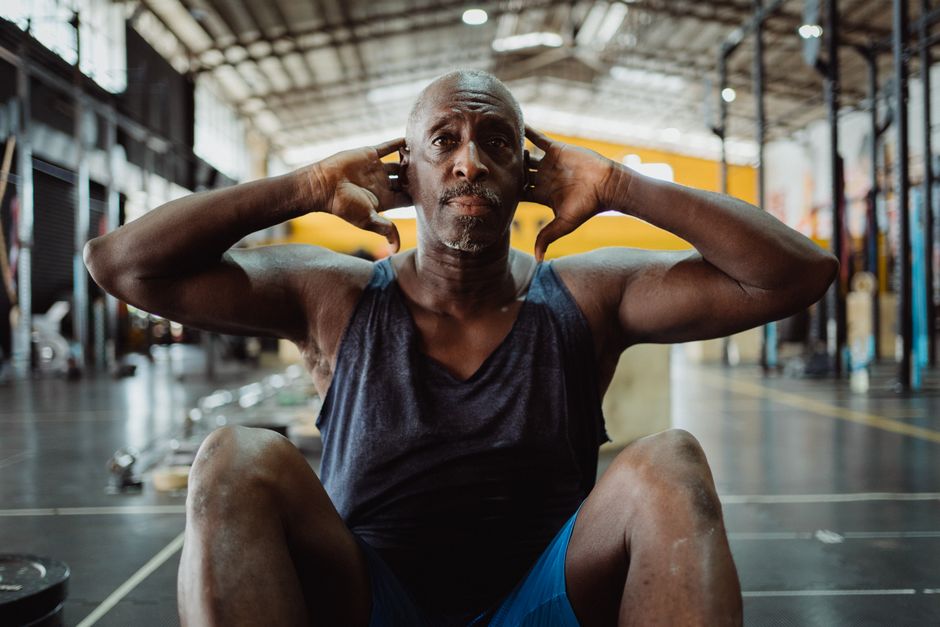
To help you decide whether exercise snacking is right for you, here's a direct comparison based on the factors that matter most to time-pressed individuals.
| Factor | Traditional Gym Session (30–60 min) | Exercise Snacking (3–5 × 1–2 min) |
|---|---|---|
| Total time per session | 45–90 minutes (including travel, changing, showering) | 1–10 minutes total (no setup) |
| Weekly commitment | 3–5 hours | 15–30 minutes |
| Equipment needed | Gym membership, machines, weights | None or minimal (stairs, bodyweight) |
| Calorie burn per week (approx.) | 1,200–2,000 calories | 600–1,000 calories (plus EPOC) |
| Cardiovascular improvement | Moderate to high (steady state) | High (due to intensity) |
| Adherence for busy people | Low (hard to schedule) | High (easy to fit in) |
Key takeaway: While the gym may win on total weekly calorie burn, exercise snacking wins on time efficiency, adherence, and cardiovascular intensity. For most busy people, consistency over weeks and months matters more than what you can accomplish in a single session.
Practical Implementation Guide: How to Build Your Exercise Snacking Routine
Now that you understand the concept and the science, let's move to the tutorial portion. You'll learn how to design a personalized exercise snacking routine that fits your day and your fitness level.
Step 1: Identify Your Snack Windows
Look at your typical day and find three to five natural breaks where you can fit in a 1- to 2-minute burst. Common windows include:
- After waking up (before breakfast)
- After a long phone call or Zoom meeting
- Right before lunch
- Mid-afternoon slump (around 3 p.m.)
- While waiting for dinner to cook
Don't overthink it—just pick three slots to start. The goal is to make it so easy that you can't say no.
Step 2: Choose Your Snack Activity
You need an activity that can be done without preparation and that elevates your heart rate quickly. Here are three proven options, one for each setting:
- Stair climbing (for home or office with stairs): Walk or run up a flight of stairs as fast as possible for 60 seconds. If you're at the bottom, walk back down slowly to recover. Repeat if you have time for a second snack.
- Bodyweight intervals (anywhere): Do 30 seconds of jumping jacks, 30 seconds of high knees, and 30 seconds of squat jumps (or as many as you can). That's a 90-second snack. Alternatively, do 45 seconds of burpees (modified if needed).
- Desk exercises (for office workers): Stand up, do 30 seconds of chair squats (sit and stand repeatedly), then 30 seconds of desk push-ups (hands on desk edge), then 30 seconds of calf raises. Total 90 seconds.
Step 3: Progress from Beginner to Advanced
Start with one snack per day for the first week. The second week, aim for two snacks. By week three, you should be doing three to five snacks most days. Once you're comfortable, increase the intensity—not the duration. Meaning, push yourself harder during those 60–90 seconds until you're truly breathless. You can also layer in a second set per snack (e.g., 60 seconds on, 60 seconds rest, then 60 seconds again).
Checkpoint: How to Know You're Doing It Right
After each snack, you should feel your heart pounding and your breathing noticeably harder than normal. You should be able to speak a few words but not a full sentence. If you're not breathless, you're not working hard enough. If you feel dizzy or in pain, slow down or reduce the duration. Remember, this is meant to be vigorous but safe—listen to your body.
Common Misconceptions About Exercise Snacking (Debunked)
Many people hesitate to try exercise snacking because they've heard that short workouts are ineffective. Let's address the most common myths.
Myth 1: You Need 30 Minutes of Continuous Activity to Burn Fat
This myth comes from outdated thinking that the body only starts burning fat after 20 minutes of exercise. In reality, the body burns a mix of fat and carbohydrates at all times. Short, intense efforts increase fat oxidation during recovery (the afterburn effect) more than lower-intensity steady-state exercise. A 2021 study in Obesity showed that 1-minute HIIT sprints led to greater fat loss over 12 weeks than 30-minute moderate walks, despite lower total exercise time.
Myth 2: Short Bursts Don't Build Muscle
While they won't replace a dedicated strength training program, exercise snacking can improve muscular endurance and even stimulate some muscle growth, especially in the legs and glutes (from stair climbing and squats). For muscle preservation during fat loss, short bursts are far better than nothing.
Myth 3: You Need a Warm-Up and Cool-Down
For very short bursts (under 2 minutes), the risk of injury is low, and the body's natural increase in heart rate during the first few seconds acts as a warm-up. However, if you have a history of joint issues, do a few dynamic stretches (arm circles, leg swings) for 10 seconds before your snack. Cooling down isn't necessary for such short efforts—your heart rate drops quickly on its own.
Frequently Asked Questions About Exercise Snacking

How many exercise snacks should I do per day?
Start with 2–3 snacks per day. As you adapt, you can increase to 5–6. The total active time should be between 5 and 15 minutes. Beyond that, you're essentially doing a full workout, which defeats the purpose of snacking.
Can I replace my gym workouts entirely with exercise snacks?
If your goal is general health, cardiovascular fitness, and weight maintenance, yes—exercise snacking can be your primary form of physical activity. However, if you want to maximize muscle gain or prepare for a specific sport, you'll still benefit from longer, structured sessions once or twice a week. Snacking can fill the gaps on days you can't get to the gym.
What if I have a health condition?
Consult your doctor before starting any new exercise routine, especially if you have heart disease, high blood pressure, or joint problems. Start with lower-intensity snacks (e.g., brisk walking up stairs instead of running) and build gradually.
Should I do the same snack every day?
Variety helps prevent boredom and works different muscle groups. Rotate between stair climbing, bodyweight intervals, and desk exercises. You can also try marching in place, shadow boxing, or jumping rope (if you have a rope).
Your Next Steps: Start Snacking Tomorrow
You now have a clear understanding of why exercise snacking beats the gym for busy people, backed by science and a practical plan. Here's your action plan for the next 24 hours:
- Identify three snack windows in your schedule tomorrow.
- Choose one activity from the list above (stairs, bodyweight, or desk exercises).
- Set a timer for 60 seconds at each snack window and go all-out.
- Record how you feel—more energy, better focus, or just accomplished.
- Repeat for one week, then add a second snack per day.
Exercise snacking isn't just a compromise—it's a legitimate, research-backed method to improve your health in minutes a day. Stop waiting for the perfect time to exercise and start snacking your way to fitness.