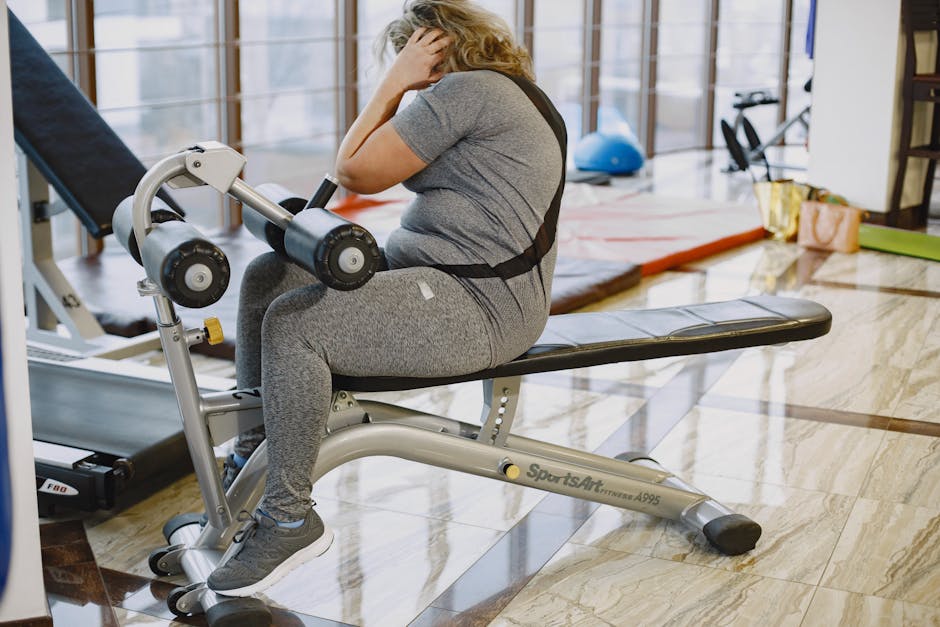
If your main fat-loss strategy is spending 45 minutes on the treadmill every single day, you may be working against your own goals. While steady-state cardio does burn calories in the moment, relying on it chronically triggers hormonal and metabolic responses that actually make fat loss harder over time. This FAQ explains why strength training offers superior long-term benefits and how to structure your week for optimal results.
Quick Takeaways
- Chronic steady-state cardio raises cortisol and reduces non-exercise activity thermogenesis (NEAT), sabotaging fat loss.
- Strength training builds metabolically active muscle that elevates resting metabolic rate and creates a lasting calorie burn through EPOC.
- An effective weekly split balances 3 strength sessions with 2 low-intensity cardio days and 1 day for intervals or rest.
Why Does Chronic Cardio Sabotage Fat Loss?
Excessive steady-state cardio triggers two main problems: hormonal disruption and metabolic compensation. When you perform long sessions of moderate-intensity cardio day after day, your body releases elevated levels of cortisol (the primary stress hormone). Chronically high cortisol promotes fat storage—especially in the abdominal area—and can break down muscle tissue for energy, lowering your metabolic rate.
At the same time, your body adapts to the extra calorie burn by reducing NEAT—the calories you burn through everyday activities like fidgeting, walking to the car, or standing while cooking. Studies show that people who add structured cardio often unconsciously decrease NEAT by 20–30%, netting a much smaller calorie deficit than expected. This phenomenon, combined with metabolic adaptation (where your body lowers its resting energy expenditure), makes it increasingly difficult to lose weight beyond the first few weeks of a cardio-heavy program.
How Cortisol Undermines Fat Loss
Cortisol is not inherently bad—it helps you wake up and handle acute stress. But chronic cardio training keeps cortisol elevated for extended periods. High cortisol signals your body to hold onto fat, especially visceral fat, because it anticipates ongoing energy demand. It also inhibits fat burning by blunting the action of lipase (the enzyme that breaks down stored fat). Additionally, cortisol can lower testosterone and growth hormone, both of which support muscle retention and fat metabolism.
What is NEAT and Why Does It Drop?
Non-exercise activity thermogenesis (NEAT) accounts for a large proportion of your daily calorie burn—anywhere from 15% to 50% depending on your lifestyle. When you start doing more structured cardio, your brain subconsciously dials down NEAT to conserve energy. You might sit more at your desk, take fewer steps around the house, or lie down instead of standing. Research shows that people who add 30–60 minutes of cardio often see their NEAT drop by 200–300 calories per day, effectively canceling out the deficit from the cardio itself.
How Does Strength Training Improve Long-Term Metabolism?
Strength training offers a completely different metabolic response. Instead of just burning calories during the workout and triggering hormonal compensation, resistance training builds lean muscle tissue. Muscle is metabolically active—each pound of muscle burns approximately 6–10 calories per day at rest, compared to fat which burns only 2–3. Adding just 5 pounds of muscle can increase your resting metabolic rate by 40–50 calories per day, and that effect compounds over time as you gain more muscle.
Furthermore, strength training creates a significant excess post-exercise oxygen consumption (EPOC) effect. After an intense lifting session, your body must work to repair muscle fibers, replenish glycogen stores, and return hormone levels to baseline. This process can keep your metabolic rate elevated for 24–48 hours after the workout, burning extra calories even while you sleep. In contrast, the EPOC from steady-state cardio typically lasts only 1–2 hours and burns far fewer additional calories.
EPOC as a Fat-Burning Engine
EPOC from resistance training can account for 10–15% of the total calories burned during the session, but the real benefit is the sustained elevation. For example, a 45-minute strength workout might burn 300 calories during the session, but the EPOC can add another 100–150 calories over the following day. Over a week with three strength sessions, that adds up to 300–450 extra calories burned without extra effort—a benefit cardio cannot match.
Insulin Sensitivity and Hormonal Balance
Strength training also improves insulin sensitivity, meaning your body becomes better at storing carbohydrates as muscle glycogen rather than converting them to fat. This hormonal shift reduces fat storage and makes it easier to stay lean even when your diet includes carbs. Unlike chronic cardio, which may blunt insulin sensitivity over time due to high cortisol, strength training creates a positive hormonal cascade: increased growth hormone, elevated testosterone (in both men and women), and lower basal insulin levels.
What is the Optimal Weekly Split for Fat Loss?
The most effective approach uses strength training as the foundation of your fat-loss plan, with cardio as a supporting tool rather than the main event. A balanced weekly split looks like this:
- 3 days of compound strength training (full-body or upper/lower split). Focus on squat, deadlift, bench press, overhead press, rows, and pull-ups. Use 6–12 rep sets with 60–90 second rest periods.
- 2 days of low-intensity steady-state (LISS) cardio (brisk walking, cycling at a conversational pace, or incline walking). Keep sessions to 30–45 minutes.
- 1 day of high-intensity intervals (HIIT) or active recovery (sports, yoga, or moderate hiking).
- 1 complete rest day.
Example schedule: Monday (strength), Tuesday (LISS), Wednesday (strength), Thursday (LISS), Friday (strength), Saturday (HIIT or recreational activity), Sunday (rest). Adjust the order based on your life, but keep at least 48 hours between strength sessions targeting the same muscles.
Why Prioritize Strength Over Cardio?
When you lead with strength, you build the metabolic machinery (muscle) that helps you burn calories 24/7. Cardio then becomes a tool for improving cardiovascular health and creating a modest calorie deficit without overstressing your system. If you reverse the priority—doing lots of cardio with minimal strength work—you risk losing muscle mass, lowering your metabolism, and hitting a fat-loss plateau faster.
Can I Do Both Cardio and Strength Training?
Yes, and you should. Both modalities have unique benefits. The key is managing the order and volume. If you do both in the same workout, perform strength training first so you have full energy for heavy lifts, then finish with 20–30 minutes of LISS cardio. On separate days, keep your cardio sessions moderate—no more than 45 minutes at the low-to-moderate intensity range. Excessive or prolonged cardio (over 60 minutes daily) can interfere with muscle recovery and increase cortisol, undermining your strength gains and fat loss.
How Much Cardio Is Too Much?
Signs that your cardio volume is hurting your results include: chronic fatigue, worsening gym performance, stalled fat loss for more than 2–3 weeks, increased irritability or sleep problems, especially around the belly. For most people, more than 5 hours of moderate-to-vigorous cardio per week (or daily sessions exceeding 60 minutes) tips the scale toward negative metabolic adaptation. Listen to your body—if you feel drained and not recovered, reduce cardio and focus on strength recovery first.
What Types of Strength Training Are Best for Fat Loss?
Compound lifts that engage multiple muscle groups offer the highest metabolic demand: squats, deadlifts, bench press, standing overhead press, bent-over rows, pull-ups, and lunges. These movements increase muscle activation, elevate your heart rate, and stimulate greater EPOC compared to isolation exercises. Aim for 3–4 sets of 6–12 reps per exercise, resting 60–90 seconds between sets. As you get stronger, progressively overload by adding weight, reps, or sets. Include a mix of eccentric (lowering) and concentric (lifting) phases for maximum muscle fiber recruitment.
Related Questions
Many people wonder whether they need to completely abandon steady-state cardio. The answer is no—you can include it strategically. A 20-minute walk after a strength workout or a dedicated 30–40 minute LISS session on a recovery day supports heart health without sabotaging fat loss. Another common question is how quickly you can expect results. Most people see noticeable changes in body composition within 4–8 weeks when switching from a cardio-centric to a strength-centric plan, especially if they also pay attention to protein intake and sleep. Remember, the goal is not to burn the most calories during a workout—it's to create a metabolic environment where you burn more calories over the long term.