Shifting Your Fitness Focus Toward Long-Term Health
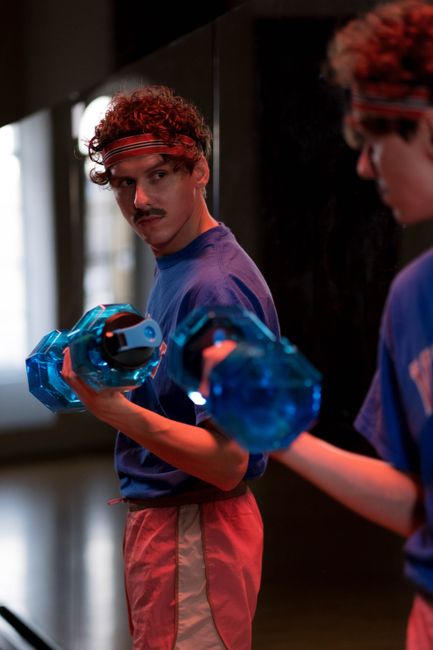
For decades, the fitness industry has been obsessed with aesthetics. We have been conditioned to train for the mirror, focusing on six-pack abs, peaked biceps, and low body fat percentages. However, as we age, the metrics of success must shift. Training for longevity is not about how you look in a swimsuit; it is about your functional capacity, metabolic health, and the ability to remain independent and active in your 8th, 9th, and 10th decades of life.
This transition requires a fundamental rethink of your exercise prescription. Instead of chasing short-term gains, we must look at the physiological pillars that support a long "healthspan"—the period of life spent in good health. By focusing on metrics like grip strength, lower body power, and mitochondrial efficiency, we can build a body that is resilient to the inevitable declines of aging. This checklist is designed to help you pivot your routine toward these long-term goals.
Before You Start: Assessing Your Current Baseline
Before diving into a longevity-focused program, it is essential to understand where you are starting. Longevity training is a marathon, not a sprint, and safety is paramount to ensure you don't sideline yourself with avoidable injuries.
- Consult with a healthcare professional: Ensure your cardiovascular health and joint integrity are ready for a new stimulus.
- Establish your "Why": Think about the activities you want to be able to do when you are 85 years old. This will be your primary motivation.
- Document your current metrics: Record your current strength levels, aerobic capacity (VO2 max if possible), and balance capabilities.
[ ] Define Your Personal Centenarian Decathlon
The concept of the "Centenarian Decathlon," popularized by longevity experts like Dr. Peter Attia, is a framework for determining what physical tasks you want to be able to perform in late life. If you want to be able to pick up a 30-pound grandchild when you are 80, you need to be able to lift significantly more than that when you are 50, accounting for the natural decline in muscle mass.
To complete this checklist item, list ten physical feats you wish to perform in your marginal decade. Examples include:
- Getting up off the floor using only one arm (or none).
- Lifting a 20-pound suitcase into an overhead bin.
- Walking two miles on uneven terrain.
- Carrying two bags of groceries for three blocks.
- Climbing four flights of stairs without stopping.
By defining these goals now, you can reverse-engineer your current training. If you want to hike in your 80s, your current training for longevity must include high-level aerobic conditioning and eccentric leg strength today.
[ ] Prioritize Grip Strength as a Vital Sign
It may seem strange to focus on your hands, but grip strength is one of the most accurate predictors of all-cause mortality and cardiovascular health. A weak grip is often a proxy for overall frailty and low muscle mass. In clinical settings, grip strength correlates more closely with lifespan than blood pressure or even physical activity levels.
To improve this metric, incorporate specific grip-taxing exercises into your weekly routine. Farmer's carries—walking while holding heavy dumbbells or kettlebells—are the gold standard for building functional grip strength. Additionally, practicing a "dead hang" from a pull-up bar can improve both shoulder health and hand endurance. Aim for a 60-second hang and the ability to carry half your body weight in each hand for 30 seconds as long-term targets.
[ ] Develop Explosive Lower Body Power

While strength is the ability to exert force, power is the ability to exert force quickly. As we age, we lose power (fast-twitch muscle fibers) twice as fast as we lose strength. This loss of power is what leads to falls; if you trip, you need the explosive power to move your foot quickly enough to catch yourself.
Training for power doesn't necessarily mean performing high-impact box jumps. It can be as simple as performing the "up" phase of a squat as fast as possible or using a medicine ball for overhead slams. By maintaining these fast-twitch fibers, you ensure that your nervous system remains sharp and your muscles remain responsive to sudden changes in balance. This is a critical component of training for longevity and fall prevention.
[ ] Master Zone 2 Cardio for Mitochondrial Health
Metabolic health is the engine of longevity, and the health of your mitochondria—the powerhouses of your cells—is the key. Zone 2 cardio refers to low-intensity aerobic exercise where you can still maintain a conversation but are working hard enough to break a sweat. This level of intensity specifically targets mitochondrial efficiency and the body's ability to oxidize fat for fuel.
Consistent Zone 2 training increases the number and health of your mitochondria, which protects against metabolic diseases like Type 2 diabetes and non-alcoholic fatty liver disease. Aim for at least 150 to 180 minutes of Zone 2 activity per week. This could be brisk walking, cycling, or swimming. The goal is to build a massive aerobic base that supports your recovery from harder efforts and keeps your heart resilient for decades to come.
[ ] Implement Progressive Resistance Training
Sarcopenia, or the age-related loss of muscle mass, is one of the greatest threats to independence in your 80s. To combat this, you must engage in progressive resistance training. This means lifting weights that are challenging and gradually increasing that challenge over time. Muscle is not just for movement; it is a metabolic organ that regulates blood glucose and provides a reservoir of amino acids for the immune system during illness.
Focus on compound movements that mimic real-life tasks: squats, deadlifts, presses, and rows. Ensure you are hitting every major muscle group at least twice a week. Resistance training is the most effective way to stimulate the release of growth factors that keep your muscles and nervous system young.
[ ] Support Bone Density Through Impact and Loading
Osteoporosis and osteopenia are silent thieves of longevity. A hip fracture in one's 70s or 80s carries a shockingly high mortality rate within the first year. Building "peak bone mass" while you are younger and maintaining it as you age is a non-negotiable part of training for longevity.
Bones respond to stress through a process called Wolff's Law—they become stronger when they are loaded. Resistance training provides this load, but some level of impact is also beneficial. If your joints allow, incorporating light jogging, jumping rope, or even stomping can signal to your bones to deposit more calcium and increase density. For those with joint concerns, heavy lifting (under supervision) provides the necessary axial loading to strengthen the spine and hips without the impact.
[ ] Optimize Stability and Balance for Fall Prevention

Independence in old age is often lost due to a single fall. Balance is a complex skill that involves the visual system, the vestibular system (inner ear), and proprioception (your brain's awareness of where your limbs are). Like any skill, it must be practiced regularly to be maintained.
Incorporate stability work into your daily routine. This can be as simple as standing on one leg while brushing your teeth or as structured as a Tai Chi or Yoga class. Single-leg exercises, such as Bulgarian split squats or single-leg Romanian deadlifts, are excellent because they build strength and stability simultaneously. Testing your balance regularly allows you to identify and correct deficits before they lead to an accident.
[ ] Prioritize Mobility and Joint Range of Motion
There is a difference between being flexible and being mobile. Flexibility is the passive range of motion, while mobility is the ability to actively control your body through that range. If you lose the ability to squat deeply or reach overhead, your world begins to shrink. You stop reaching for things on high shelves or playing with pets on the floor.
Dedicated mobility work ensures that your joints remain lubricated and your connective tissues remain elastic. Focus on the hips, thoracic spine, and ankles, as these areas tend to stiffen most with age. A daily 10-minute mobility flow can make the difference between a body that feels "creaky" and one that feels fluid and capable.
Summary: Your Longevity Action Plan
Shifting your focus to training for longevity is a profound act of self-care for your future self. By checking these boxes, you are not just adding years to your life, but life to your years. To make this actionable, consider printing this list and checking off your progress each month.
- Daily: Work on balance and mobility for 10 minutes.
- Weekly: Complete 3 hours of Zone 2 cardio and 2-3 sessions of resistance training.
- Monthly: Test your grip strength and one "event" from your Centenarian Decathlon.
- Annually: Re-evaluate your goals and adjust your training volume to match your recovery capacity.
Remember, the goal of this checklist isn't perfection; it's consistency. The small investments you make in your metabolic health and physical capacity today will pay massive dividends when you are 80, allowing you to enjoy your life with vitality, strength, and complete independence.
"We don't stop playing because we grow old; we grow old because we stop playing." — George Bernard Shaw
You can download a printable version of this checklist by clicking the link in our resource section to keep your longevity goals front and center in your home gym or on your refrigerator.