
The Shift Toward Functional Longevity Training
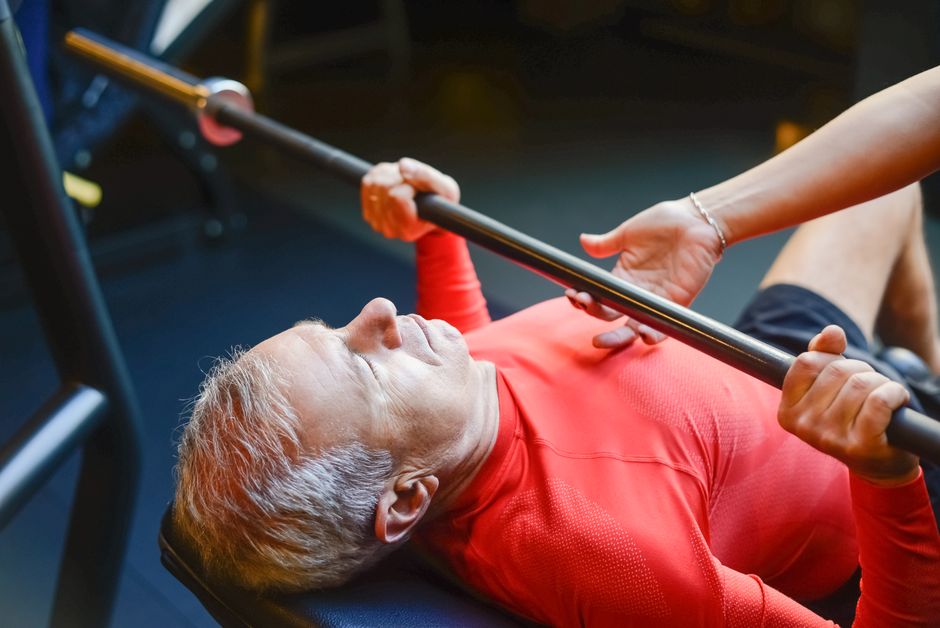
For decades, the fitness industry has been obsessed with the mirror. We have been conditioned to measure our success by the size of our biceps or the visibility of our abdominal muscles. However, as we move into a new era of health science, the focus is shifting. Functional longevity training is the practice of prioritizing movement patterns that ensure physical independence, metabolic health, and injury resistance as you age. It is about building a body that doesn't just look good but works perfectly for decades to come.
This checklist is designed to help you transition from a traditional hypertrophy-based workout to a longevity-focused routine. Whether you are thirty or sixty, the principles of functional movement remain the same: you must train for the life you want to live at eighty. By following these steps, you will build a foundation of strength that protects your joints, supports your spine, and keeps you moving with ease.
Before You Start: Preparing for Longevity
Before diving into the physical exercises, it is essential to set the right environment and mindset. Functional training requires a different approach than traditional bodybuilding. You aren't just lifting weights; you are teaching your nervous system how to coordinate complex movements.
- Assess your current mobility: Identify tight hips, stiff ankles, or rounded shoulders that might hinder your progress.
- Define your 'Why': Focus on long-term goals like hiking with your grandchildren or maintaining balance to prevent falls.
- Clear a dedicated space: You don't need a full gym, but you need enough room to move in all directions—side to side, forward, and backward.
- Consult a professional: If you have pre-existing injuries, speak with a physical therapist to tailor these movements to your specific needs.
☐ Prioritize Compound Movement Patterns Over Muscle Isolation
The first step in functional longevity training is moving away from isolation machines like the leg extension or bicep curl. While these have their place in bodybuilding, they do little for real-world functionality. In daily life, your muscles never work in isolation; they work as a coordinated unit.
The Five Essential Human Movements
To train for longevity, your routine should revolve around these five patterns: the squat, the hinge, the push, the pull, and the carry. Squatting mimics sitting down and standing up. Hinging mimics picking up a heavy object from the floor. Pushing and pulling are essential for moving objects in space, and carrying builds the 'functional core' strength needed for groceries or luggage.
By focusing on these patterns, you stimulate more muscle mass, improve hormonal response, and burn more calories. More importantly, you build the 'connective strength' between muscle groups that prevents the awkward trips and falls common in older age.
☐ Master the Hip Hinge to Protect Your Spine
Lower back pain is one of the leading causes of disability as people age. Most of this pain stems from a lack of 'hip hinge' proficiency. When you bend over to pick something up using your spine instead of your hips, you place immense shear force on your intervertebral discs.
Building a Bulletproof Lower Back
The hip hinge involves pushing your hips back while keeping your spine neutral. Exercises like the kettlebell deadlift or the Romanian deadlift are the gold standard here. When you master the hinge, you shift the load of life onto your glutes and hamstrings—the strongest muscles in your body—rather than your fragile lower back ligaments.
Integrating the hinge into your checklist ensures that you maintain the ability to lift objects safely. This movement pattern is the single most important 'pre-hab' tool for spinal health. Practice it daily, even without weights, to burn the movement into your muscle memory.
☐ Strengthen the Core for Anti-Rotation and Stability

Many people think 'core training' means sit-ups. However, for functional longevity, the core's primary job is not to flex the spine, but to resist movement. This is known as anti-rotation and anti-extension training. A stable core acts as a rigid cylinder that protects your internal organs and spine during movement.
Essential Core Stability Exercises
Instead of crunches, incorporate exercises like the 'Dead Bug' and the 'Bird Dog.' These movements teach you how to move your arms and legs while keeping your lower back pressed firmly against the floor or held in a neutral position.
Another vital exercise is the 'Suitcase Carry.' By holding a heavy weight in only one hand and walking, you force your obliques and deep core stabilizers to prevent you from tipping over. This directly translates to carrying a heavy bag or suitcase without straining your back, a key component of physical independence.
☐ Incorporate Unilateral Exercises for Balance and Symmetry
As we age, our balance naturally declines, and muscle imbalances become more pronounced. Most people have one leg or one arm that is significantly stronger than the other. In a bilateral exercise like a standard barbell squat, the stronger side often takes over, leaving the weaker side to atrophy further.
The Power of Single-Leg Training
Unilateral training—exercises performed on one limb at a time—forces each side of the body to pull its own weight. Exercises like the Bulgarian split squat, single-leg deadlifts, and step-ups are essential for functional longevity. They challenge your proprioception (your body's ability to sense its position in space) and strengthen the small stabilizer muscles around the ankles, knees, and hips.
Improving single-leg stability is the best insurance policy against falls. By training your balance now, you ensure that a simple trip or uneven sidewalk doesn't result in a life-altering injury later in life.
☐ Implement a 10-Minute Daily Pre-hab Routine
Injury prevention shouldn't be something you do only after you get hurt. 'Pre-hab' is the proactive approach to joint health. As we age, our collagen production slows down, and our joints can become stiff. A daily pre-hab routine keeps the joints lubricated and the connective tissues resilient.
Key Components of Daily Pre-hab
- Thoracic Spine Mobility: Use a foam roller or 'cat-cow' stretches to keep your mid-back mobile. This prevents the 'hunched' posture often associated with aging.
- Ankle Dorsiflexion: Stiff ankles lead to knee and hip pain. Spend two minutes stretching your calves and mobilizing your ankle joints.
- Shoulder External Rotation: Use resistance bands for 'face pulls' or 'band pull-aparts' to strengthen the rotator cuff and reverse the effects of sitting at a desk.
- Hip CARs (Controlled Articular Rotations): Slowly move your hip through its full range of motion to maintain joint capsule health.
Think of this routine as 'hygiene' for your joints, much like brushing your teeth. It doesn't take much time, but the cumulative effect over years is the difference between chronic pain and fluid movement.
☐ Train for Metabolic Flexibility and Zone 2 Cardio
Functional longevity isn't just about muscles and joints; it’s about your heart and your mitochondria. Metabolic health is the foundation of energy production. Without a strong aerobic base, your body struggles to recover from exercise and becomes less efficient at burning fat for fuel.
The Importance of Zone 2 Training
Zone 2 cardio is low-intensity steady-state exercise where you can still carry on a conversation (roughly 60-70% of your max heart rate). Walking briskly, cycling, or swimming at a moderate pace for 150 minutes a week is a primary pillar of longevity. It increases mitochondrial density and improves 'metabolic flexibility'—your body's ability to switch between burning carbs and fats.
In addition to Zone 2, include one session of high-intensity interval training (HIIT) per week. This challenges your VO2 max, which is one of the strongest predictors of all-cause mortality. A high VO2 max means your heart and lungs are robust enough to handle the stresses of aging.
☐ Monitor and Improve Your Grip Strength
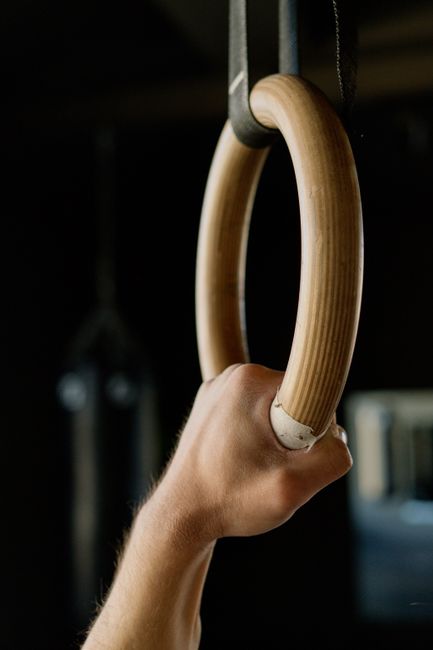
It might sound surprising, but grip strength is one of the most accurate biomarkers for longevity. Numerous studies have shown that a weak grip is correlated with a higher risk of cardiovascular disease and cognitive decline. Why? Because grip strength is an indicator of overall muscle mass and nervous system integrity.
How to Build Functional Grip Strength
You don't need fancy grip squeezers. Instead, incorporate 'functional' grip work. Farmer's carries (walking with heavy weights in both hands), hanging from a pull-up bar for time, and using thick-grip attachments on your dumbbells are excellent methods. Strengthening your hands and forearms ensures you can perform daily tasks—like opening jars or lifting heavy objects—without assistance well into your later years.
Summary: Your Path to Lifelong Independence
Training for functional longevity is a marathon, not a sprint. While hypertrophy training focuses on the immediate visual reward, functional movement focuses on the long-term quality of life. By shifting your focus toward the patterns that matter—stability, mobility, balance, and metabolic health—you are investing in your future self.
Remember that consistency beats intensity every time. You don't need to spend hours in the gym; you simply need to move intentionally and cover the bases outlined in this checklist. This approach ensures that your body remains a capable vessel for whatever adventures your later years may hold.
"The goal is to die young as late as possible." — Ashley Montagu
Note: You can print this checklist or save it to your phone to use as a weekly reference. Aim to check off every category at least twice per week to maintain optimal functional health.