
Learning Objectives for This Tutorial

By the end of this comprehensive guide, you will be able to understand the physiological impact of micro-workouts on your metabolic health. You will also learn how to design a customized 5-minute movement routine that requires no equipment or sweat, and you will master the psychological strategy of habit stacking to ensure these small bursts of activity become a permanent part of your daily lifestyle.
Understanding the Rise of Micro-Workouts
In a world where the average professional spends over eight hours a day tethered to a desk, the traditional model of a single, hour-long gym session is being challenged. Enter the concept of micro-workouts, also known as "movement snacks." These are brief, intense, or intentional bursts of physical activity lasting anywhere from 60 seconds to 10 minutes, performed multiple times throughout the day.
The primary goal of a micro-workout is not necessarily to build massive muscle or run a marathon, but to combat the negative effects of sedentary behavior. For the busy professional, these small windows of movement offer a science-backed way to maintain metabolic health without needing to change into gym clothes or leave the office. Research suggests that breaking up long periods of sitting every 60 minutes can be more beneficial for certain health markers than a single workout followed by hours of inactivity.
Definition: Metabolic health refers to how well the body generates and processes energy. Key indicators include blood sugar levels, insulin sensitivity, cholesterol levels, and blood pressure.
The Science of Breaking Up Sedentary Behavior
To understand why micro-workouts are so effective, we must look at the physiology of sitting. When you remain sedentary for prolonged periods, your body enters a state of metabolic "slumber." The production of enzymes that break down fats, such as lipoprotein lipase, drops significantly. Additionally, the glucose transporters in your muscles become less active, leading to higher blood sugar levels after meals.
The 60-Minute Rule
Science indicates that the body requires a "reset" approximately every hour. By engaging in just 120 seconds of movement every 60 minutes, you can trigger a cascade of positive physiological responses. This frequency is crucial because it keeps the metabolic machinery "primed." Instead of allowing your insulin sensitivity to drift downward throughout the morning, a quick burst of air squats or a brisk walk to the water cooler signals your cells to continue taking up glucose from the bloodstream.
Physiological Benefits of Movement Snacks
- Improved Insulin Sensitivity: Short bursts of activity help muscle cells respond better to insulin, which is vital for preventing type 2 diabetes.
- Enhanced Blood Flow: Movement prevents blood from pooling in the lower extremities, reducing the risk of varicose veins and improving cognitive function through better brain oxygenation.
- Lipid Metabolism: Frequent movement keeps the enzymes responsible for clearing fats from the blood active throughout the day.
- Reduced Cortisol: Short, non-exhausting movements can help regulate the stress hormone cortisol, which often spikes during high-pressure work hours.
Step-by-Step Guide: Designing Your 5-Minute 'No-Sweat' Routine

The biggest barrier to office fitness is the fear of getting sweaty or looking out of place. This tutorial focuses on a "no-sweat" approach that prioritizes mobility, activation, and posture. Follow this 5-minute sequence to revitalize your body without needing a shower afterward.
Minute 1: Spinal Decompression and Mobility
Start by undoing the "desk posture." Stand up straight with your feet shoulder-width apart. Reach your arms toward the ceiling, interlace your fingers, and stretch upward while taking a deep breath. Transition into slow neck circles and shoulder rolls. This phase increases synovial fluid flow in your joints and releases tension in the trapezius muscles.
Minute 2: Lower Body Activation
Your glutes and quads are the largest muscle groups in your body; activating them provides the biggest metabolic boost. Perform 15 to 20 slow, controlled air squats. Focus on driving your heels into the floor and keeping your chest up. If you are in a crowded office, perform "desk lunges" or simply stand and march in place with high knees for 60 seconds.
Minute 3: Upper Body Opening
Find a doorway or use the edge of your desk. Place your forearms against the frame and lean forward gently to stretch your pectoral muscles. Follow this with "Wall Slides." Stand with your back against a wall, arms in a 'W' shape, and slide them upward into a 'V' while keeping your shoulder blades in contact with the wall. This counteracts the rounded-shoulder position caused by typing.
Minute 4: Core and Posture Integration
You don't need to get on the floor for core work. Perform a standing plank by leaning against your desk at a 45-degree angle. Hold this position while engaging your glutes and drawing your navel toward your spine. This activates the deep stabilizers of the trunk, which support your lower back during long bouts of sitting.
Minute 5: Nervous System Reset
The final minute should focus on circulation and breath. Perform a series of calf raises—rising up on your toes and slowly lowering back down. This acts as a "second heart," pumping blood from your lower limbs back to your torso. Finish with three "box breaths" (inhale for 4, hold for 4, exhale for 4, hold for 4) to calm your nervous system before returning to work.
Strategies for Habit Stacking: Making Micro-Workouts Permanent
The challenge with micro-workouts is not the physical difficulty, but the consistency. To make these "movement snacks" a permanent lifestyle fixture, we use a psychological technique called habit stacking. This concept, popularized by behavioral scientists, involves anchoring a new habit to an existing one.
Identifying Your Anchors
Look at your current daily office routine. What are the things you do without fail? These are your "anchor habits." Examples include:
- Ending a Zoom call.
- Refilling your water bottle.
- Microwaving your lunch.
- Receiving a specific calendar notification.
The Habit Stacking Formula
Use the following formula to create your micro-workout triggers:
"After I [Current Habit], I will [5-Minute Micro-Workout]."
For example:
- After I finish my morning coffee, I will perform 20 air squats.
- After I hang up from a client call, I will do 1 minute of wall slides.
- After I refill my water bottle, I will take the stairs back to my desk.
Environmental Cues
Your environment should nudge you toward movement. If your office allows it, use a standing desk converter to toggle between sitting and standing every hour. Place a small resistance band on your desk as a visual reminder. Setting a recurring "Movement" alarm on your phone or smartwatch is another effective way to ensure you don't lose track of time during deep work sessions.
Practice Exercises: Your First Week of Micro-Workouts
To help you transition from theory to practice, follow this progressive three-level plan. Start at Level 1 and move up once the habit feels effortless.
Level 1: The Commuter/Entry Level
Perform one 2-minute movement snack three times a day. Focus only on standing up and stretching your hip flexors and chest. Do this after lunch, mid-afternoon, and before leaving the office.
Level 2: The Consistent Mover
Perform a 5-minute routine every 2 hours. Incorporate the air squats and calf raises mentioned in the tutorial above. Use the habit stacking formula for at least two of these sessions.
Level 3: The Metabolic Master
Break up every hour of sitting with at least 2 minutes of vigorous movement (brisk walking, fast squats, or desk push-ups). Complete a full 5-minute routine twice a day. At this level, you are effectively neutralizing the "sitting disease" and optimizing your metabolic health throughout the entire workday.
Common Questions About Micro-Workouts
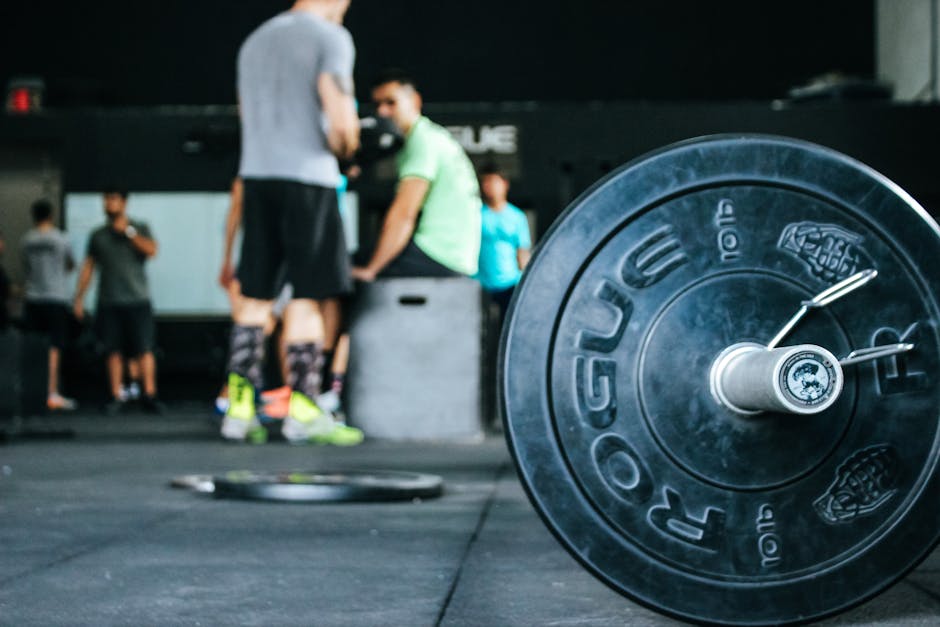
Can micro-workouts really replace the gym?
While micro-workouts are incredible for metabolic health and fat loss, they serve a different purpose than traditional strength training or cardiovascular conditioning. Think of micro-workouts as the "floor" of your fitness—the minimum required to stay healthy—while the gym is the "ceiling" that builds peak performance and significant muscle mass.
What if I work in a small cubicle?
Many effective movements require zero floor space. Leg extensions under the desk, seated glute stretches, and isometric contractions (squeezing your muscles as hard as possible for 10 seconds) can all be done in a confined space without drawing attention.
Will this really improve my productivity?
Yes. Physical movement increases blood flow to the prefrontal cortex, the area of the brain responsible for executive function, focus, and decision-making. Most people find that the 5 minutes they "lose" to a micro-workout are regained through increased mental clarity and the elimination of the mid-afternoon energy slump.
Final Steps for Success
To begin your journey with micro-workouts, choose just one anchor habit today. Whether it is the end of your next meeting or the moment you check your email in the morning, commit to 60 seconds of movement. The power of this approach lies in its cumulative effect. Small, frequent actions lead to massive long-term shifts in your health, energy levels, and longevity. Start small, stay consistent, and watch your metabolic health transform.