If you struggle with low back pain, you’re not alone. It’s the leading cause of disability worldwide, and most solutions focus on stretching or strengthening the lower back itself. But the root cause often lies elsewhere—in weak glutes, a tight anterior chain, and poor spinal stability from hours of sitting. The one exercise that directly addresses these issues is the dead hang. By decompressing your spine, opening your shoulders, and engaging your posterior chain, a properly executed dead hang can prevent back pain before it starts. In this tutorial, you’ll learn why, how, and when to add this simple move to your daily routine.
Quick Takeaways
- Most back pain originates from prolonged sitting, which weakens your glutes and tightens your hip flexors.
- The dead hang decompresses the spine, strengthens grip, lats, and core stabilizers—addressing the real cause.
- A 5-minute daily routine incorporating dead hangs can reduce recurrence and improve posture.
- Proper form matters: avoid shrugging, keep shoulders down and back, and breathe deeply.
Why Your Back Hurts: The Sitting Epidemic
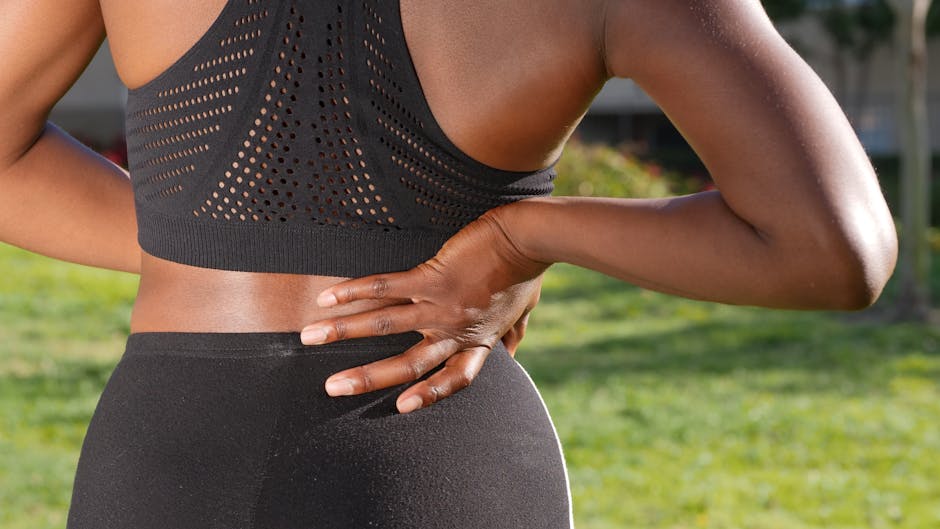
Before we dive into the exercise, understand the enemy. Prolonged sitting places your hips in a constant flexed position. Your gluteal muscles (the largest posterior chain muscles) switch off. Your hip flexors shorten. Your lower back muscles overwork to stabilize your trunk, leading to chronic tension and eventually pain.
This pattern is known as “lower crossed syndrome,” where tight hip flexors and weak glutes create an anterior pelvic tilt, compressing the lumbar vertebrae. The result? Muscle spasms, disc issues, and a rigid spine that loses its natural shock absorption.
The Real Solution Isn’t Stretching Your Back
Most people reach for a foam roller or a standing hamstring stretch, but these only provide temporary relief. To break the cycle, you need to:
- Decompress the spine (create space between vertebrae)
- Strengthen the posterior chain (glutes, lats, spinal erectors)
- Restore shoulder mobility (so your upper back can carry load)
The dead hang does all three simultaneously.
What Is a Dead Hang and How Does It Prevent Back Pain?
A dead hang is simply hanging from a bar with straight arms, allowing your body weight to stretch and decompress your spine. But it’s far more than a passive stretch—it’s a loaded isometric exercise for your entire upper body and core.
How It Addresses the Root Cause
- Spinal decompression: Gravity pulls your torso downward, creating negative pressure between your vertebrae. This relieves compression from sitting and can reduce disc bulges.
- Posterior chain activation: To maintain the hang, your lats, rear delts, and rhomboids must engage to keep your shoulders down and back. This pulls your entire spine into better alignment.
- Core stability: You must brace your abs and glutes to prevent excessive sway—this strengthens the “corset” muscles that protect your lower back.
- Shoulder mobility: Over time, dead hangs open up tight shoulders, which allows your upper back to support your neck and head, reducing compensatory lower back tension.
“Dead hangs are one of the most underrated exercises for spinal health. They create traction in the lumbar spine while reinforcing the shoulder girdle stability needed to maintain good posture throughout the day.” — Dr. Stuart McGill, back pain researcher
How to Perform the Perfect Dead Hang (Step-by-Step Tutorial)

Follow these steps to get the most benefit while staying safe.
Setup
- Find a pull-up bar or sturdy overhead bar (height should allow your feet to clear the floor by a few inches).
- Grip the bar with hands slightly wider than shoulder-width, palms facing away (overhand grip).
- Take a deep breath and engage your shoulder blades: pull them down and back (as if you’re trying to pull the bar toward your chest).
The Hang
- Initiate the hang: Lift your feet off the ground. Let your body hang fully extended. Do not shrug your shoulders up toward your ears.
- Maintain active shoulders: Even in the bottom position, keep your lats engaged. Imagine you’re holding a pencil between your shoulder blades—they should stay down and back.
- Breathe: Take slow, deep belly breaths. Inhale through your nose, exhale through your mouth. Each exhale can help you relax further.
- Hold: Start with 15–30 seconds. Aim for 3 sets total.
Common Mistakes (and How to Fix Them)
| Mistake | Fix |
|---|---|
| Shrugging shoulders up | Think “shoulders away from ears” and engage lats before lifting feet. |
| Swonging or flailing | Gently brace your abs and squeeze glutes to stabilize your body. |
| Holding breath | Consciously exhale and inhale rhythmically—even a tense hang is okay with breath. |
| Overgripping (crushing bar) | Use a relaxed but firm hook grip. You should feel the stretch, not pain in your palms. |
Progression Path
- Beginner: Start with partial hangs (feet on a stool, only partial weight) or use a pair of gymnastics rings low enough to keep feet on ground.
- Intermediate: Full dead hang for 30 seconds. Add 5-second increments each week.
- Advanced: Weighted dead hang (hold a dumbbell between your feet) or one-arm dead hang (use a towel or strap).
Scientific Backing: What Research Says
Spinal decompression via traction has been studied for decades. A 2016 review in the Journal of Orthopaedic & Sports Physical Therapy found that intermittent lumbar traction reduced pain and improved function in patients with discogenic low back pain. While machines provide high-force traction, a dead hang offers a low‑force, gravity‑based alternative that even healthy individuals can use preventively.
Additionally, a 2018 study in Sports Medicine highlighted that isometric exercises like the dead hang improve core and shoulder stability, which reduces load on the lower back during daily activities. The key is consistency—just five minutes a day creates lasting neuromuscular adaptations.
Your 5-Minute Daily Routine for Back Pain Prevention
Perform this sequence every day, ideally in the morning or after a long period of sitting.
- Cat-Cow Stretch (1 minute) – Gently warm up your spine on hands and knees.
- Dead Hang (2 minutes total) – 3 sets of 30–45 seconds active hang with 15 seconds rest between sets. Focus on deep breathing and shoulder engagement.
- Bird-Dog (1 minute) – From all fours, extend opposite arm and leg. Hold 3 seconds each side, alternating for 30 seconds each side. Strengthens core and glutes.
- Glute Bridge (1 minute) – Lie on back, knees bent, lift hips. Hold top for 2 seconds, lower slowly. 15 reps.
That’s it—five minutes, no equipment except a bar. Do this daily and you’ll noticce better posture and fewer back pain flareups.
Frequently Asked Questions
Is the dead hang safe for everyone?
Most people can do it. Avoid if you have a severe shoulder injury (e.g., rotator cuff tear) or an acute disc herniation with nerve symptoms. Consult a physio if unsure.
Can I do dead hangs if I can’t hold my body weight?
Yes—use a assist band or keep feet on a low box. Even a partial hang with legs bent provides decompression.
How long should I hold for maximum benefit?
Research suggests 30–60 seconds is optimal for spinal decompression. Longer holds may overstretch ligaments if you have hypermobility.
Should I do dead hangs before or after exercise?
Do them after your warm-up or as a standalone routine. They can also be done at the end of a workout to decompress.
Final Thought: Make the Dead Hang Your Go‑To
Back pain is exasperating, but it doesn’t have to be inevitable. By adding the dead hang to your daily routine, you directly counteract the effects of sitting, strenghten the muscles that support your spine, and create space for healing. Start today—even if it’s just a 5-second hold. Your back will thank you.
Ready to go deeper? Check out our guide to core stability exercises for advanced back health.