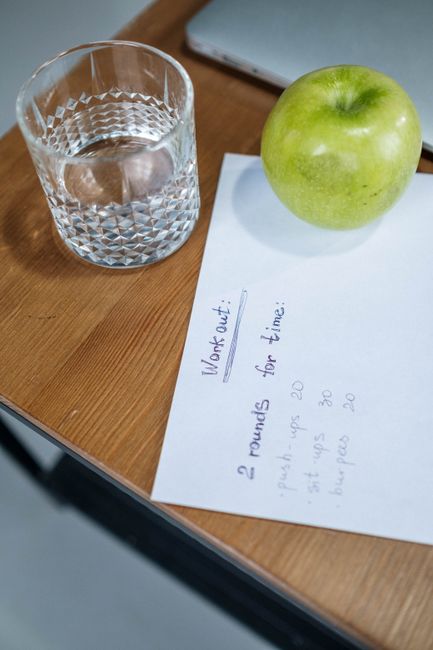
If you sit at a desk for eight or more hours a day, you might wonder if a single 30-minute gym session can undo the damage. The short answer: it helps, but it doesn't fully counteract the health risks of prolonged sitting. The good news is that a growing body of research on VILPA (Vigorous Intermittent Lifestyle Physical Activity) and exercise snacks shows that short, frequent bursts of movement throughout the day can make a real difference. This FAQ guide walks you through a practical 20-minute exercise snack plan designed specifically for desk workers.
Quick Takeaways
- Exercise snacks are 2-4 minute bursts of activity done multiple times a day.
- VILPA research links just 3-4 minutes of daily vigorous activity to lower mortality risk.
- The plan includes five simple moves: stairs, squats, push-ups, brisk walking, and calf raises.
- You can schedule snacks around meetings without changing clothes or equipment.
- Consistency and proper form matter more than intensity or duration.
Why doesn't 30 minutes at the gym undo 10 hours of sitting?
Because prolonged sitting has its own independent health risks that a single workout can't erase. When you sit for hours, your large muscles are inactive, blood flow slows, and your body's ability to regulate blood sugar drops. Even if you exercise for 30 minutes, the remaining 10 hours of sitting still take a toll on your metabolism, posture, and cardiovascular system.
Research shows that total sedentary time is linked to increased risk of heart disease, type 2 diabetes, and early death—regardless of how much you exercise. That's why the pattern of movement throughout the day matters. Breaking up sitting with short bursts of activity can improve insulin sensitivity, reduce back pain, and boost energy levels.
What is VILPA and why does it matter for desk workers?
VILPA stands for Vigorous Intermittent Lifestyle Physical Activity. It's the huff-and-puff movement you get from everyday activities like climbing stairs quickly, carrying heavy groceries, or walking briskly to catch a bus. A landmark 2022 study published in Nature Medicine tracked over 25,000 adults who did not exercise regularly. Those who did just 3-4 minutes of VILPA per day had a 30% lower risk of all-cause mortality, a 40% lower risk of cardiovascular disease mortality, and a 49% lower risk of cancer mortality compared to those who did none. For desk workers, this is huge: you don't need a full gym session to get meaningful health benefits. Short, intense bursts count.
How much exercise do I actually need if I sit all day?
The World Health Organization recommends 150-300 minutes of moderate-intensity aerobic activity or 75-150 minutes of vigorous activity per week, plus muscle-strengthening exercises twice a week. However, if you sit all day, meeting those guidelines isn't enough. You also need to reduce and break up sedentary time. The 20-minute exercise snack plan helps you accumulate VILPA and interrupt long sitting periods without adding a huge time commitment.
What is an exercise snack and how does it work?
An exercise snack is a short, 2-4 minute burst of physical activity performed throughout the day. It works by activating large muscle groups, increasing heart rate, and improving blood flow. Unlike a full workout, exercise snacks are designed to be done in your work clothes, with no equipment, and without breaking a sweat (unless you want to). They are not a replacement for longer workouts, but they are a powerful complement—especially for people who sit for long stretches.
What are the best 2-4 minute exercise snacks for desk workers?
Here are five evidence-backed moves that fit easily into a workday. For each, aim for 2-4 minutes total, or about 10-20 repetitions depending on the move.
1. Stair Climbing
Form: Find a staircase. Walk or run up and down at a brisk pace. Keep your torso upright, use the handrail if needed for balance, and land softly on your feet.
Intensity: You should feel slightly breathless but still able to talk. If you can sing, go faster. If you can't talk, slow down.
2. Bodyweight Squats
Form: Stand with feet shoulder-width apart. Push your hips back as if sitting in a chair. Keep your knees over your toes and chest up. Lower until your thighs are parallel to the floor, then stand.
Intensity: Do 10-15 controlled reps. For more challenge, pause at the bottom or add a small jump.
3. Push-Ups
Form: Place hands under shoulders, body in a straight line from head to heels. Lower your chest toward the floor, then push back up. Modify by doing them on your knees or against a wall.
Intensity: Aim for 5-10 reps. If you can do more than 15 easily, elevate your feet.
4. Brisk Walking
Form: Walk as fast as you can while maintaining good posture. Swing your arms, take quick steps, and keep your head up.
Intensity: You should be able to speak in short sentences but not hold a full conversation. A 2-4 minute lap around your office or neighborhood works perfectly.
5. Calf Raises
Form: Stand with feet hip-width apart. Rise up onto your toes as high as you can, then slowly lower your heels back down. Hold onto a desk for balance if needed.
Intensity: Do 15-20 reps. For more intensity, do them on a stair edge for a deeper stretch.
How do I schedule exercise snacks around meetings?
The key is to attach them to existing transitions in your day. Here's a sample schedule that totals about 20 minutes:
- 9:30 AM – Stair climbing (3 min) before your first big meeting.
- 11:00 AM – Squats (3 min) after your morning coffee.
- 1:00 PM – Brisk walk (4 min) after lunch.
- 3:00 PM – Push-ups (3 min) during the afternoon slump.
- 4:30 PM – Calf raises (3 min) while on a phone call.
Set phone reminders or calendar alerts. If you're in an office, use the stairwell, an empty conference room, or even your cubicle for calf raises. At home, you have even more freedom.
How can I track my exercise snacks?
Keep it simple. Use a notes app, a paper checklist, or a habit tracker. Mark each snack with a checkmark and note the duration. Tracking helps you stay consistent and see progress. Don't overcomplicate—the goal is to move more, not to create a second job.
How do I avoid overuse or injury when doing exercise snacks?
Start slowly and progress gradually. Warm up with a minute of marching in place or arm circles. Focus on proper form over speed. Vary your snacks to avoid repetitive strain. If you feel sharp pain, stop and rest. If you have joint issues, choose low-impact options like brisk walking or seated calf raises. When in doubt, consult a physical therapist or doctor.
Can exercise snacks replace a full workout?
No. Exercise snacks are excellent for breaking up sitting and adding VILPA, but they don't provide enough stimulus for significant strength or endurance gains. Think of them as a supplement to, not a replacement for, regular exercise. Aim for both: a few longer workouts per week plus daily snacks.
What if I have limited mobility or a health condition?
You can adapt almost any exercise snack. Do seated calf raises, chair squats, wall push-ups, or walk in place. If you have a health condition, check with your healthcare provider before starting a new routine. The principle of moving more often still applies.
How long until I see benefits?
Some benefits are immediate: better focus, reduced stiffness, and improved mood after just one snack. Long-term benefits, like reduced mortality risk and better cardiovascular health, build over weeks and months with consistency. The VILPA study suggests that even small amounts add up.
Related Questions
Do I need to change clothes for exercise snacks?
No, unless you plan to get sweaty. Wear comfortable shoes if possible, but you can do many snacks in office attire. Keep a pair of sneakers at your desk if you want to be prepared.
What if I work from home vs. office?
At home, you can do snacks in your living room or backyard. In an office, use stairwells, quiet rooms, or even your cubicle for calf raises and squats. Adapt to your environment.
Can I do exercise snacks if I'm pregnant?
Generally yes, but consult your doctor first. Modify intensity and avoid lying flat on your back or high-impact moves. Walking and calf raises are usually safe.
The Bottom Line
You don't need to choose between the gym and sitting all day. A 20-minute exercise snack plan can help you break up sitting, accumulate VILPA, and improve your health—all without leaving your desk for long. Start with one snack today, then build up to five. Your body will thank you.