If you're a busy adult trying to get stronger and healthier, the 2-day strength minimum might be the most sustainable approach you've never tried. After reviewing the evidence and practical applications, my verdict is clear: twice-weekly full-body strength training is the sweet spot for most people. It beats daily intense workouts for adherence, recovery, and long-term results. This review breaks down what the guidelines actually say, why two days often outperform more frequent training, and how to implement a simple two-day template.
Rating: 4.5 out of 5
Best for: Busy adults, beginners, and intermediate lifters who want health and strength without living in the gym.
Main caveat: If you're an advanced lifter with specific performance goals, you may need a third day.
Quick Takeaways

- ACSM guidelines recommend strength training at least 2 days per week for general health.
- Meta-analyses show similar strength gains with 2 vs. 3 days when total volume is matched.
- Twice-weekly training improves adherence because it's easier to schedule and recover from.
- A full-body template hitting squat, hinge, push, pull, and core twice a week is enough.
- Signs you need a third day: stalled progress, specific strength goals, or extra time.
Pros and Cons of the 2-Day Strength Minimum
Pros
- Time-efficient: Two 45-60 minute sessions per week.
- Better recovery: 72 hours between sessions allows muscles to rebuild.
- Higher adherence: Less likely to skip when you only have two commitments.
- Evidence-based: Aligns with ACSM and meta-analytic findings.
- Scalable: Easy to add a third day if goals change.
Cons
- Not optimal for advanced lifters: Powerlifters or bodybuilders may need more frequency.
- Requires focus: Each session must be efficient and progressive.
- Slower for specialization: If you want to bring up a lagging muscle, extra work helps.
What the Guidelines and Meta-Analyses Actually Say
The American College of Sports Medicine (ACSM) recommends strength training for all major muscle groups at least two days per week. That's the minimum for general health, not a suggestion to do more. Meta-analyses have repeatedly found that when total weekly volume is equated, training a muscle group twice per week produces similar hypertrophy and strength gains as three or more days. In other words, frequency matters less than total volume and consistency.
For busy adults, the two-day minimum is not a compromise—it's the evidence-based sweet spot.
Why Twice Weekly Often Beats Daily Intense Workouts
Adherence: The Real Driver of Results
The best program is the one you actually do. Daily intense workouts sound impressive, but they often lead to burnout, missed sessions, and quitting. Two days per week is psychologically easier to maintain. You can schedule around work, family, and travel. Consistency over months and years beats sporadic heroics.
Recovery: Muscle Grows When You Rest
Strength training breaks down muscle tissue. Adaptation happens during recovery. If you train the same muscles hard every day, you never give them time to rebuild. Twice-weekly full-body sessions allow 72 hours between workouts for the same muscle groups, which is ideal for most people.
Sustainable Results: Progressive Overload Without Burnout
With two days, you can apply progressive overload—adding weight, reps, or sets over time—without accumulating excessive fatigue. This leads to steady strength gains and better long-term health outcomes.
A Practical Two-Day Full-Body Template
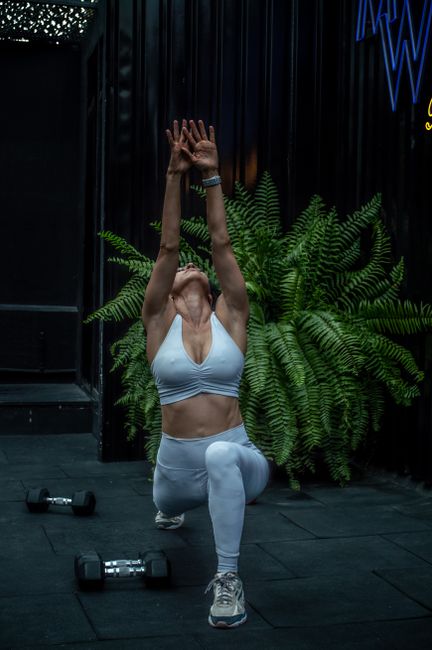
Here's a simple template you can run twice per week, e.g., Monday and Thursday. Each session should take 45-60 minutes.
Session A (Monday)
- Squat pattern: Goblet squat or barbell back squat – 3 sets of 6-10 reps
- Horizontal push: Push-up or bench press – 3 sets of 6-12 reps
- Horizontal pull: Dumbbell row or cable row – 3 sets of 8-12 reps
- Hinge: Romanian deadlift or hip thrust – 3 sets of 8-12 reps
- Core: Plank or dead bug – 3 sets of 30-45 seconds
Session B (Thursday)
- Squat pattern: Split squat or leg press – 3 sets of 8-12 reps
- Vertical push: Overhead press – 3 sets of 6-10 reps
- Vertical pull: Pull-up or lat pulldown – 3 sets of 6-10 reps
- Hinge: Deadlift or good morning – 3 sets of 6-8 reps
- Core: Hanging knee raise or side plank – 3 sets of 10-15 reps
Progression Rules
- Start with 2 sets per exercise if new. Add a third set after 2 weeks.
- When you can complete all sets at the top rep range with good form, increase weight by 5-10%.
- Keep rest between sets to 60-90 seconds for hypertrophy, 2-3 minutes for strength.
- Track your workouts to ensure progressive overload.
Signs You Might Need a Third Day
Two days is enough for most, but consider adding a third if:
- Your progress has stalled for 4+ weeks despite good sleep and nutrition.
- You have specific strength goals (e.g., 2x bodyweight deadlift) that require more practice.
- You want to specialize in a lagging muscle group (add a third day focused on that).
- You simply have more time and recover well.
If you add a third day, make it a lighter full-body session or focus on weak points.
Who Is the 2-Day Strength Minimum Best For?
- Busy professionals who can't commit to 4-5 gym days.
- Beginners who need to build a habit and see progress without overwhelm.
- Intermediate lifters who want to maintain strength while balancing other activities.
- Anyone over 40 who needs more recovery time between sessions.
Who Should Skip It?
- Advanced powerlifters or bodybuilders with specific competition goals.
- People with unlimited time who enjoy daily training and recover well.
- Those with a coach-prescribed program that requires more frequency.
Alternatives and Comparisons
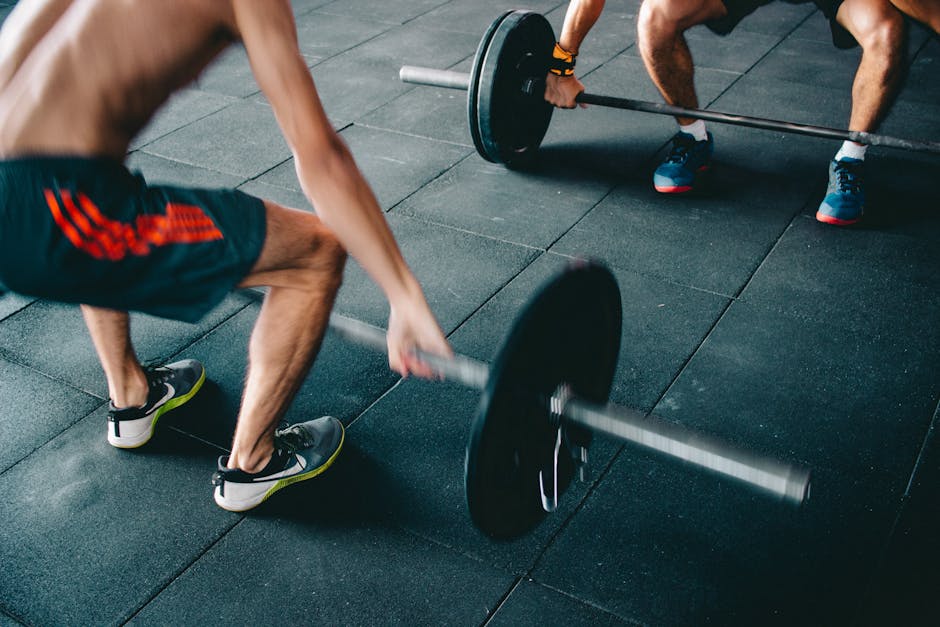
| Approach | Frequency | Best For | Main Drawback |
|---|---|---|---|
| 2-Day Strength Minimum | 2x/week | Busy adults, general health | Slower for advanced goals |
| 3-Day Full Body | 3x/week | Intermediates with more time | Requires more recovery |
| 4-5 Day Split | 4-5x/week | Bodybuilders, advanced | High time commitment, burnout risk |
| Daily Intense Workouts | 6-7x/week | Rarely optimal for most | Overtraining, poor adherence |
Final Recommendation
The 2-Day Strength Minimum earns a 4.5 out of 5 for most busy adults. It's not the only way to train, but it's the most practical, evidence-based starting point for sustainable health and strength. If you've been stuck in the "more is better" mindset, try two full-body sessions per week for 8-12 weeks. Track your progress, and you'll likely find that less really is more.
Next step: Pick two days this week, schedule them like appointments, and run the template above. Consistency beats intensity every time.