If you have been logging miles on the treadmill or spinning until your legs ache, only to see modest results on the scale, it is time to reconsider your strategy. The common belief that cardio is the best fat loss tool is misleading. In reality, a far more powerful and sustainable calorie burner goes largely unnoticed: Non-Exercise Activity Thermogenesis, or NEAT. This article is for anyone who wants to lose weight without adding more gym time. By the end, you will understand how to harness NEAT to create a consistent calorie deficit, backed by research that shows it accounts for 50 to 70 percent of your daily energy expenditure.
Quick Takeaways
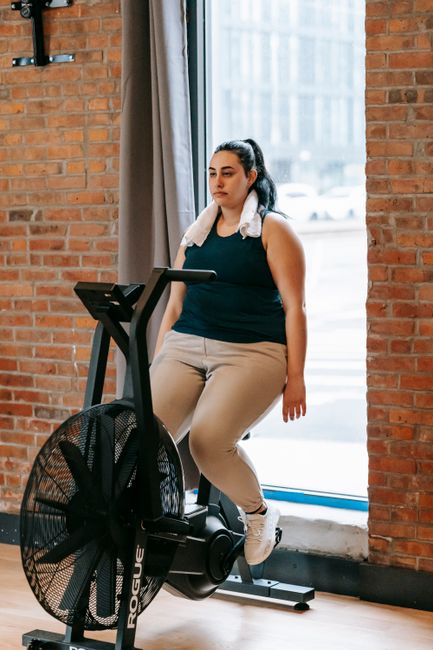
- NEAT (non-exercise activity thermogenesis) is the energy burned during all non-exercise movements: walking, standing, fidgeting, even toe tapping.
- Research by Dr. James Levine at the Mayo Clinic found that lean individuals naturally burn 350 or more extra calories per day through NEAT compared to obese individuals.
- Unlike cardio, NEAT can be accumulated throughout the day without requiring a separate workout session.
- The “afterburn” effect of cardio (EPOC) is often overstated; NEAT provides a more reliable and sustainable calorie deficit.
- Boosting NEAT by just 15–30 minutes of walking per day can add up to a significant weekly calorie burn without triggering compensatory hunger.
What You Will Need
Before you start, gather a few simple tools to measure and boost your NEAT:
- A step counter (phone app, pedometer, or fitness tracker) to establish your baseline.
- Access to a standing desk or a makeshift option (e.g., a high table, a box to elevate your laptop).
- Comfortable walking shoes (you will be walking more throughout the day).
- A timer or app to remind you to stand up or move every 30–45 minutes.
- A willingness to re-evaluate your daily routines—this is about small, consistent changes, not a drastic overhaul.
Step 1: Understand What NEAT Is and Why It Beats Cardio
Action: Learn the definition and significance of NEAT. NEAT refers to the calories burned during every activity that is not sleeping, eating, or purposeful exercise. This includes walking to the bus, standing while cooking, tapping your foot during a meeting, and even the extra effort of sitting upright versus slouching.
Why it matters: Structured cardio, while beneficial for cardiovascular health, typically only contributes about 10–15 percent of your total daily energy expenditure. NEAT, on the other hand, can represent 50–70 percent. The basal metabolic rate (BMR) accounts for 60–75 percent, and the thermic effect of food (TEF) about 10 percent. So NEAT is the most flexible and modifiable component. Dr. James Levine’s studies showed that lean people naturally stand and walk about 2.25 hours more per day than obese individuals, burning an extra 350 calories. That is equivalent to roughly 30 minutes of moderate jogging—without ever setting foot in a gym.
Example: If you currently do 30 minutes of cardio three times a week, that is about 500–700 calories burned per week. By increasing your daily NEAT by just 30 minutes of walking (burning ~100–150 calories), you would burn an additional 700–1,050 calories per week—similar to adding two more cardio sessions.
Success check: You should be able to explain to a friend why NEAT is more impactful for daily calorie burn than a typical cardio workout.
Step 2: Measure Your Current NEAT
Action: Track your daily step count and non-exercise movement for three days to establish a baseline. Use a step counter or a phone app that logs steps.
Why it matters: You cannot improve what you do not measure. Most people underestimate how sedentary they are. A desk worker might barely reach 3,000 steps per day, while someone with a mobile job might log 8,000 steps without trying. Knowing your baseline allows you to set realistic targets.
Example: If your average steps are 4,000 per day, set a goal to add 2,000 steps (about 1 mile or 15 minutes of walking) by taking one 10-minute walk after lunch and one 5-minute walk in the afternoon.
Success check: After three days, you have a clear average step count and a list of your typical non-exercise activities. You now know where you are starting from.
Step 3: Increase Daily Walking (The Biggest NEAT Booster)

Action: Add walking breaks into your existing schedule. Aim for 5–10 minutes of walking every hour. Use a timer to remind yourself to stand up and walk around the office, house, or block.
Why it matters: Walking is the most accessible and effective NEAT activity. It requires no equipment, can be done almost anywhere, and burns approximately 80–120 calories per mile (depending on body weight). A meta-analysis in the journal Medicine & Science in Sports & Exercise found that breaking up prolonged sitting with short walking bouts significantly increases daily energy expenditure and improves metabolic health.
Example: Replace driving to a nearby coffee shop with walking. When you talk on the phone, pace around the room. Park farther from the grocery store entrance. Each small choice adds up. Over a day, ten 3-minute walks equal 30 minutes of walking—easy to achieve without feeling like a workout.
Success check: Your daily step count increases by at least 2,000 steps compared to your baseline within one week.
Step 4: Optimize Your Work Environment for Standing and Fidgeting
Action: If you work at a desk, transition to a standing desk or an improvised high table. Stand for at least 15 minutes every hour. When sitting, engage in subtle fidgeting: leg bouncing, toe tapping, shifting positions.
Why it matters: Standing burns about 20–30 percent more calories per minute than sitting. Even fidgeting can increase energy expenditure by 20–50 percent over motionless sitting. Dr. Levine’s research showed that lean people spend more time in “ambient movement” — small, unconscious motions that add up. A standing desk alone can boost NEAT by 200–300 calories per day for an 8-hour workday, provided you actually stand and not lean.
Example: Use a high counter or place your laptop on a stack of books. Set a timer to stand for 30 minutes, then sit for 20 minutes. While standing, you can also shift weight from foot to foot or walk in place. These small movements double the calorie burn compared to static standing.
Success check: You are standing for at least two total hours per workday, and you notice your fidgeting has increased naturally. Your step counter shows an additional 1,000–1,500 steps just from work-related movement.
Step 5: Incorporate More Daily Chores and Errands on Foot
Action: Replace motorized transport for short trips with walking or biking. Do household chores like vacuuming, sweeping, gardening, and laundry by hand instead of sitting.
Why it matters: Household activities are a major source of NEAT. A 150-pound person burns about 107 calories per 30 minutes of general house cleaning, 135 calories for mopping, and 150 calories for gardening. These activities also break up sedentary time and contribute to the daily calorie deficit without feeling like exercise.
Example: Instead of ordering groceries for delivery, walk to the store and carry bags back (adds steps and resistance). If you have a laundry room, walk up and down stairs for each load. These seemingly mundane tasks can add 100–200 extra calories per day.
Success check: You now do at least 10 minutes of active chores or walking errands daily that you previously did while seated or driving. Your total NEAT activity has increased by an estimated 150–250 calories per day.
Step 6: Combine NEAT with Strategic Cardio (Not Replace It Entirely)
Action: Keep 2–3 cardio sessions per week for cardiovascular fitness and heart health, but stop relying on them as your primary weight loss tool. Instead, focus on NEAT for the majority of your calorie deficit.
Why it matters: Cardio does have benefits—improved VO2 max, reduced blood pressure, better insulin sensitivity. But the afterburn effect (excess post-exercise oxygen consumption, EPOC) is modest: an extra 6–15 percent of the calories burned during exercise. For a 300-calorie run, that is only 18–45 bonus calories. In contrast, boosting NEAT by 500 calories per day is entirely achievable and does not trigger the compensatory hunger that intense cardio often does.
Example: If you currently do 45 minutes of running five days a week, cut it to three days and add 30 minutes of walking during the other two days plus increase standing time. Your total weekly calorie burn will likely be higher, and you will feel less exhausted and less prone to reward eating.
Success check: Your weekly calorie deficit from NEAT alone is at least 1,500–2,000 calories (equivalent to 0.5 lbs of fat loss per week) without increasing your cardio volume.
Common Mistakes & Troubleshooting
Mistake 1: Overestimating NEAT from short bursts
While every movement counts, you need consistency. A 30-minute walk is great, but if you sit for the remaining 15.5 hours, your NEAT will still be low. Aim to break up sedentary time every 30 minutes.
Mistake 2: Ignoring the “compensation trap”
Some people think that because they boosted their NEAT, they can eat more freely. That defeats the purpose. NEAT works best when combined with a stable diet. Track your food intake if you notice a plateau.
Mistake 3: Doing too much too fast
Jumping from 4,000 steps to 12,000 steps overnight can cause fatigue or joint pain. Increase your steps by 1,000–2,000 per week. Let your body adapt.
Troubleshooting: “I have a desk job and cannot stand all day.”
Do not stand all day—alternate. Sit for 30 minutes, stand for 15, walk for 5. Even small walking loops around your desk or office hallway help. If a standing desk is not allowed, request a different workspace or use a portable lap desk on a high shelf.
Troubleshooting: “I already walk a lot and still do not lose weight.”
Check your diet first. NEAT increases expenditure, but weight loss requires a calorie deficit. Also, you may have adapted to your current step level. Increase by another 1,000 steps per day or add more standing time. Consider using a fitness tracker to verify your NEAT metrics.
Frequently Asked Questions
What is the difference between NEAT and exercise?
Exercise is planned, structured, and usually performed for fitness (e.g., running, swimming). NEAT is all other movement — walking to the car, standing, cleaning, fidgeting. Exercise burns calories in a short period, but NEAT can accumulate many more calories over a day.
How many calories can I expect to burn from increasing NEAT?
A moderate increase (e.g., 5,000 steps extra per day) can burn roughly 200–300 additional calories. With standing desk use and fidgeting, you can reach 500–700 extra calories per day without structured exercise.
Is NEAT effective for long-term weight loss?
Yes, because it integrates naturally into your lifestyle. Unlike cardio, which can feel like a chore, NEAT habits—walking, standing, doing chores—are easier to maintain for years. The research by Dr. Levine shows that higher NEAT is strongly correlated with long-term leanness.
Should I completely stop cardio?
No. Cardio has health benefits beyond calorie burn. However, stop relying on it as your sole weight loss tool. Use cardio for fitness and NEAT for the bulk of your calorie deficit.
Final Checklist
- ☐ Establish your baseline step count and identify low-NEAT periods.
- ☐ Add 10-minute walking breaks during work, and aim for a total of 30+ minutes of extra walking daily.
- ☐ Set up a standing desk or create standing/alternating periods throughout the day.
- ☐ Replace short car trips with walking or biking.
- ☐ Incorporate household chores that involve movement (cleaning, gardening, laundry).
- ☐ Maintain 2–3 cardio sessions per week for health, but focus on NEAT for creating a calorie deficit.
- ☐ Monitor your progress weekly by checking step count and noticing changes in energy and weight.
Quick Summary
NEAT (non-exercise activity thermogenesis) is the hidden driver of sustainable weight loss. By increasing your daily movement through walking, standing, fidgeting, and active chores, you can burn 350–700 extra calories per day—far more than most cardio sessions. This strategy is backed by research from Dr. James Levine and avoids the compensatory hunger often caused by intense exercise. Start by measuring your baseline steps, then gradually add walking breaks, use a standing desk, and incorporate more active chores. Keep 2–3 cardio sessions for health, but let NEAT do the heavy lifting for weight loss.