When it comes to shedding body fat, two of the most popular exercise methods often go head to head: running and weightlifting. The short answer is that both can be effective, but they work through different mechanisms. Running torches more calories minute-for-minute during the activity, while weightlifting creates a longer-lasting metabolic boost and builds lean muscle that increases your resting calorie burn. This listicle breaks down the science behind each method so you can choose — or combine — the best approach for your fat loss goals.
Quick Takeaways
- Running burns significantly more calories per minute during exercise than weightlifting.
- Weightlifting produces a stronger and longer-lasting afterburn effect (EPOC) that can elevate metabolism for up to 48 hours.
- Muscle gained from consistent weightlifting raises your resting metabolic rate, making fat loss easier over time.
- The optimal strategy for most people is to combine both modalities for maximum fat loss and overall health.
1. Caloric Expenditure During Activity: Running vs. Lifting Weights
Why It Matters
If you’re looking to burn the most calories in the shortest amount of time, running has a clear edge. A 155-pound person running at a moderate pace (6 mph) burns approximately 700 calories per hour. In comparison, the same person doing moderate-intensity weightlifting (e.g., circuit training with short rest) burns roughly 200–300 calories per hour. The difference is substantial during the workout itself.
Example
Consider two 30-minute sessions: a run at 5 mph burns about 300 calories, while a weightlifting session with compound lifts (squats, deadlifts, bench press) might burn 150–200 calories. The runner leaves the gym having already spent more energy.
Practical Note
Don’t let this statistic alone guide your decision. Running’s calorie burn is front-loaded, but it stops almost as soon as you stop moving. Weightlifting’s calorie burn during the session is lower, but the story doesn’t end there.
2. The Afterburn Effect (EPOC): Which Exercise Keeps Burning?
Why It Matters
Excess post-exercise oxygen consumption (EPOC), commonly called the “afterburn effect,” refers to the elevated calorie burn your body maintains after exercise as it restores itself to a resting state. Weightlifting creates a much larger and longer EPOC than steady-state cardio. Studies show that resistance training can elevate metabolism for 24–48 hours post-workout, whereas the afterburn from running typically lasts only 1–2 hours.
Example
After an intense weightlifting session, your body continues to repair muscle tissue, replenish glycogen, and remove metabolic byproducts — all of which consume energy. This can add an extra 100–200 calories burned over the next day. In contrast, a 30-minute run may cause an afterburn of only 20–40 calories.
Practical Note
To maximize EPOC from weightlifting, focus on compound exercises with heavy loads (80–90% of your one-rep max) and keep rest periods short (60–90 seconds). High-intensity interval running can also boost EPOC, but it still doesn’t match resistance training’s duration.
3. Long-Term Metabolic Adaptations: How Muscle Gain Changes the Game
Why It Matters
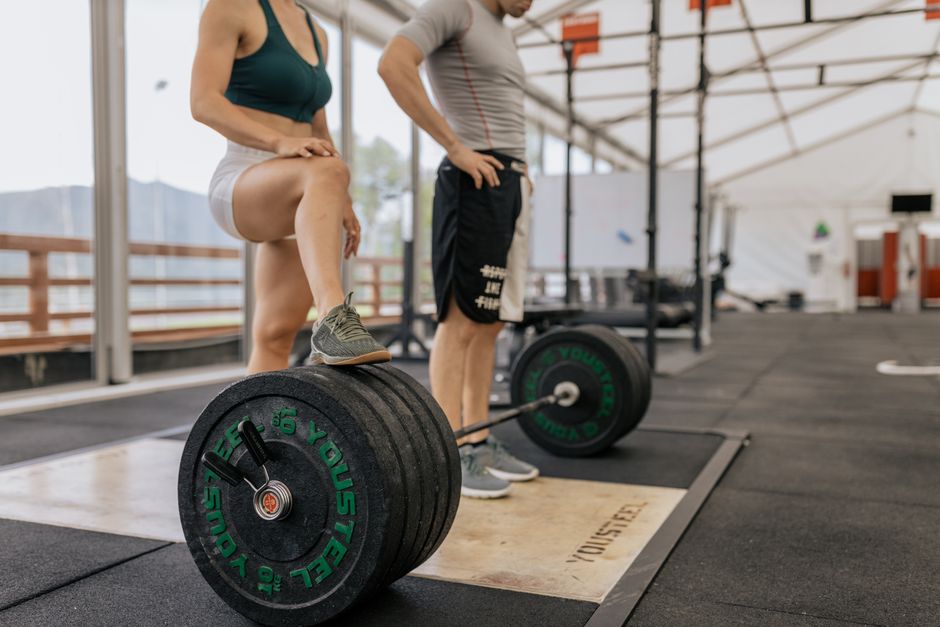
Your resting metabolic rate (RMR) is the number of calories your body burns at rest. Muscle tissue is metabolically active — each pound of muscle burns about 6–10 calories per day just to maintain itself, compared to 2–4 calories per pound of fat. Adding even 5 pounds of lean muscle through weightlifting can increase your daily RMR by 30–50 calories. Over a year, that translates to several pounds of fat loss without any additional effort.
Example
A woman who lifts weights three times per week for six months may gain 4–5 pounds of muscle. Her resting metabolism will then burn an extra 24–50 calories per day. While that seems modest, it adds up to 2–4 extra pounds of fat burned per year. Running, while excellent for cardiovascular health, does not build significant muscle mass and therefore does not produce this long-term metabolic advantage.
Practical Note
Weightlifting’s metabolic benefits compound over time. The more muscle you carry, the easier it becomes to maintain a calorie deficit — and the more you can eat while still losing fat. This is why many fitness professionals recommend strength training as the foundation of any fat loss program.
4. Practical Application: Combining Both for Maximum Fat Loss
Why It Matters
Instead of choosing one over the other, the most effective fat loss strategy uses both running and weightlifting strategically. Running provides a high calorie burn during the workout and improves cardiovascular efficiency, while weightlifting builds muscle that boosts your metabolism around the clock. Together, they create a synergistic effect that optimizes fat loss.
Example
A sample weekly schedule: weightlift three days (Monday, Wednesday, Friday) with compound lifts, and run two days (Tuesday, Thursday) for 20–30 minutes at a moderate to high intensity. On weightlifting days, you can also finish with 10–15 minutes of running for an extra calorie push. This approach gives you the acute burn of cardio and the long-term metabolic lift of resistance training.
Practical Note
Be careful not to overdo it. High-volume running combined with heavy lifting can tax your recovery. If you’re new to exercise, start with two weightlifting days and one to two running days per week. Gradually increase volume as your fitness improves.
How to Choose What’s Best for You
Your choice depends on your goals, preferences, and lifestyle. If you have limited time and want maximum calorie burn during your workout, running is efficient. If you prefer building a strong, lean physique and want a metabolism that works for you even at rest, prioritize weightlifting. For most people, a mix of both offers the best of both worlds. Start with the exercise you enjoy most to ensure consistency, then add the other as a supplement.
What to Do Next
Start by assessing your current routine. If you only run, add two weightlifting sessions per week. If you only lift, include two 20-minute runs. Track your progress over eight weeks — measure body composition, how your clothes fit, and your energy levels. You’ll likely find that the combination outpaces either method alone.
Frequently Asked Questions
Does running burn belly fat specifically?
No exercise can spot-reduce fat. Running helps reduce overall body fat, which will eventually include belly fat, but it’s not targeted.
Will weightlifting make me bulky?
For most people, especially women, gaining significant bulk requires years of dedicated training and a calorie surplus. Weightlifting for fat loss typically results in a lean, toned physique.
How long should I do each exercise for fat loss?
For running, aim for 150 minutes of moderate-intensity or 75 minutes of high-intensity per week. For weightlifting, two to three full-body sessions per week (40–60 minutes each) is effective.