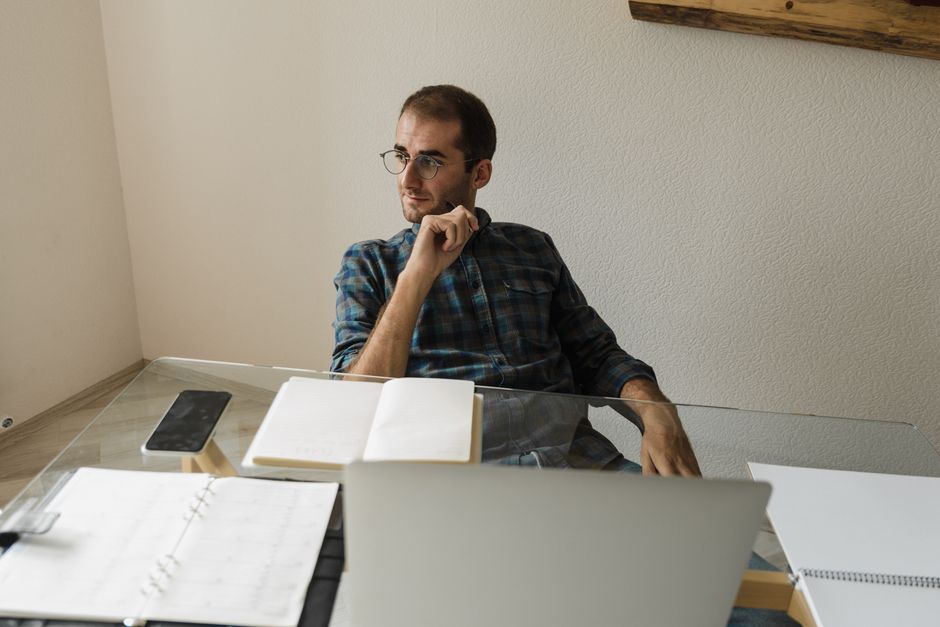
The Quick Verdict: Can You Actually Reverse Sitting Damage?
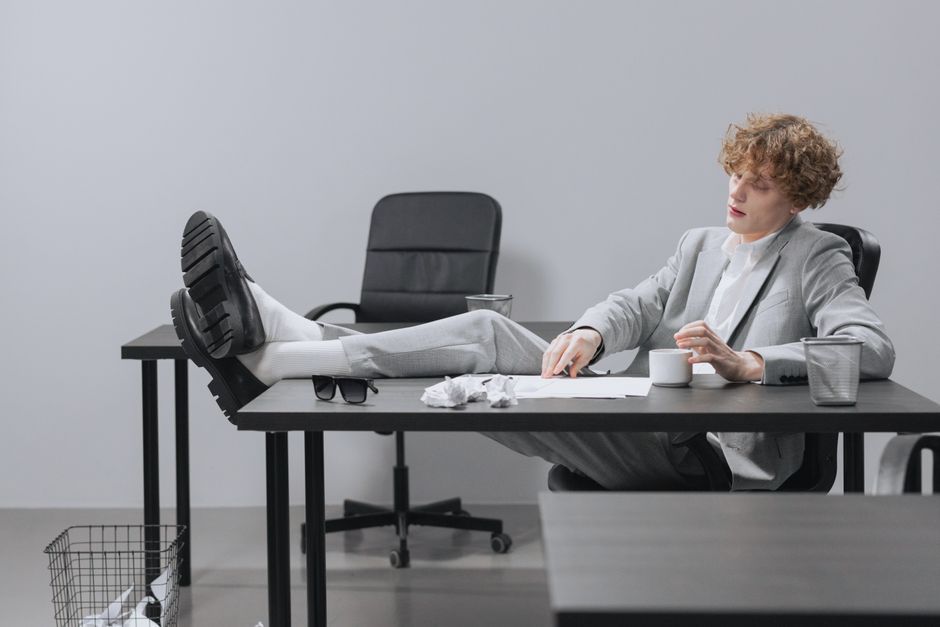
If you spend more than six hours a day tethered to a chair, you are likely feeling the physical toll. From a nagging lower back ache to a stiff neck, the sedentary lifestyle is a silent predator of physical performance. After reviewing various corrective exercise protocols, we have identified the Desk Athlete approach as the gold standard for office-bound professionals.
Overall Rating: 9.2/10
The verdict is clear: While you cannot completely undo years of sitting in a single afternoon, you can certainly reverse sitting damage by implementing targeted functional movements that address the specific biomechanical failures caused by prolonged inactivity. This approach isn't just about stretching; it is about 'prehab'—preparing your body to handle the stress of your environment.
Pros and Cons of a Functional Prehab Approach
Implementing a corrective exercise routine into a busy workday requires a shift in mindset. Here is a breakdown of what to expect when you start treating your desk job like an athletic endeavor.
- Pros:
- Reduces chronic pain in the lower back, neck, and shoulders.
- Improves athletic performance by restoring proper muscle firing patterns.
- Increases daily energy levels and mental focus.
- Requires minimal equipment—most moves can be done in your office.
- Prevents long-term degenerative issues like disc herniation and chronic inflammation.
- Cons:
- Requires consistency; occasional sessions yield limited results.
- Initial discomfort as dormant muscles (like the glutes) begin to wake up.
- Can be difficult to remember during high-pressure work sprints.
The Science of the "Desk Athlete" (Lower Crossed Syndrome)
To understand how to reverse sitting damage, we must first look at the biomechanics of what happens when we sit. The human body is a masterpiece of efficiency, but it operates on a "use it or lose it" principle. When you sit, your hip flexors are kept in a shortened, contracted state. Over time, they become chronically tight.
Through a process called reciprocal inhibition, these tight hip flexors send a signal to your glutes to stay relaxed. This leads to what physical therapists call "Gluteal Amnesia." The result is Lower Crossed Syndrome: an anterior pelvic tilt where your butt sticks out, your belly pooches forward, and your lower back takes the brunt of every movement.
Simultaneously, the upper body suffers from "Upper Crossed Syndrome," characterized by "tech neck" and rounded shoulders. Your pectorals tighten, and your mid-back muscles (rhomboids and lower traps) become overstretched and weak. The five moves reviewed below are specifically selected to flip the switch on these imbalances.
Detailed Feature Breakdown: The 5 Essential Moves

We have vetted these five exercises based on their efficiency, ease of implementation, and physiological impact. Here is how to perform them to maximize your recovery.
1. Glute Bridges for Pelvic Alignment
The Glute Bridge is the ultimate antidote to Gluteal Amnesia. By forcefully contracting the posterior chain, you signal the hip flexors to release, helping to pull the pelvis back into a neutral position.
How to do it: Lie on your back with feet flat on the floor, hip-width apart. Drive through your heels to lift your hips toward the ceiling. At the top, squeeze your glutes as hard as possible for two seconds. Avoid arching your lower back; the movement should come entirely from the hips. Aim for 3 sets of 15 reps.
2. The Couch Stretch: Lengthening Tight Hip Flexors
Don't let the name fool you; this is one of the most intense and effective stretches for anyone looking to reverse sitting damage. It targets the psoas and rectus femoris—the muscles that pull your pelvis out of alignment.
How to do it: Back your knee into the corner of a couch (or a wall). Place your shin against the backrest and your other foot flat on the floor in a lunge position. Squeeze your glute on the stretching side to protect your lower back and deepen the stretch. Hold for 2 minutes per side. This length of time is crucial for actual tissue remodeling.
3. Thoracic Rotations: Opening the Upper Back
Sitting often causes the thoracic spine (mid-back) to become a "black hole" of mobility. When your mid-back freezes up, your neck and lower back have to move more to compensate, leading to pain.
How to do it: Get on all fours (quadruped position). Place one hand behind your head. Rotate your elbow down toward the opposite wrist, then rotate it up toward the ceiling, following the movement with your eyes. This restores rotation to the ribcage and offloads the cervical spine. Perform 10 reps per side.
4. Chin Tucks to Combat 'Tech Neck'
Forward Head Posture (FHP) adds significant weight to the cervical spine. For every inch your head moves forward, it adds roughly 10 pounds of pressure to your neck. Chin tucks strengthen the deep neck flexors that hold your head in place.
How to do it: Sit tall and look straight ahead. Without tilting your head up or down, pull your chin straight back, as if you are making a double chin. You should feel a stretch at the base of your skull. Hold for 3 seconds and release. Repeat 10 times. This is the perfect "movement snack" during a Zoom call.
5. Banded Pull-Aparts for Scapular Stability
To fix rounded shoulders, you need to strengthen the muscles that pull the shoulder blades together. Banded pull-aparts target the rear deltoids and rhomboids, acting as a "postural brace" made of muscle.
How to do it: Hold a light resistance band in front of you with straight arms. Pull the band apart by squeezing your shoulder blades together until the band touches your chest. Control the return. Focus on keeping your shoulders down and away from your ears. Perform 20 repetitions.
Comparison: Sitting vs. Active Recovery
| Feature | Sedentary State | After Functional Moves |
|---|---|---|
| Pelvic Position | Anterior Tilt (Achy Back) | Neutral (Stable Base) |
| Glute Function | Inhibited / Dormant | Active / Supporting |
| Neck Stress | High (Forward Head) | Low (Stacked Alignment) |
| Breathing Capacity | Restricted (Compressed Ribs) | Full (Mobile Thoracic) |
Who It's Best For
This functional movement protocol is not just for fitness enthusiasts. It is specifically designed for:
- Remote Workers: Those who lack the natural movement of a commute or office walk.
- Software Developers & Writers: Professionals who experience high levels of cognitive load and long periods of deep focus.
- Gamers: Individuals who spend their leisure time in similar postural positions as their work time.
- Chronic Back Pain Sufferers: Anyone who has been told their pain is "mechanical" or related to posture.
Practical Strategies: Integrating 'Movement Snacks'

The biggest barrier to success is time. We recommend the "Movement Snack" strategy. Research suggests that short, frequent bouts of movement are more effective at maintaining metabolic health than one long workout followed by 8 hours of sitting.
"You don't need a 60-minute gym session to save your spine. You need 2-minute micro-doses of movement every hour."
Try setting a "posture alarm" every 50 minutes. Spend 120 seconds performing one of the five moves mentioned above. By the end of an 8-hour workday, you will have completed 16 minutes of high-quality corrective exercise without ever leaving your office.
Final Recommendation: Is It Worth the Effort?
After reviewing the physiological impact and the ease of use, we give the Desk Athlete protocol a strong buy recommendation. To effectively reverse sitting damage, you don't need expensive ergonomic chairs or standing desks (though they help). You need a functional movement practice that addresses the root cause of the problem.
The cost of inaction is too high. Chronic sitting is linked to increased risks of cardiovascular disease, obesity, and permanent postural deformity. By integrating these 5 moves, you are essentially performing maintenance on the most important piece of equipment you own: your body.
Final Verdict: Start today. Your glutes, your back, and your future self will thank you. If you are ready to reclaim your posture, pick two moves from this list and perform them during your next break. Movement is medicine, and for the desk athlete, it is the only cure.