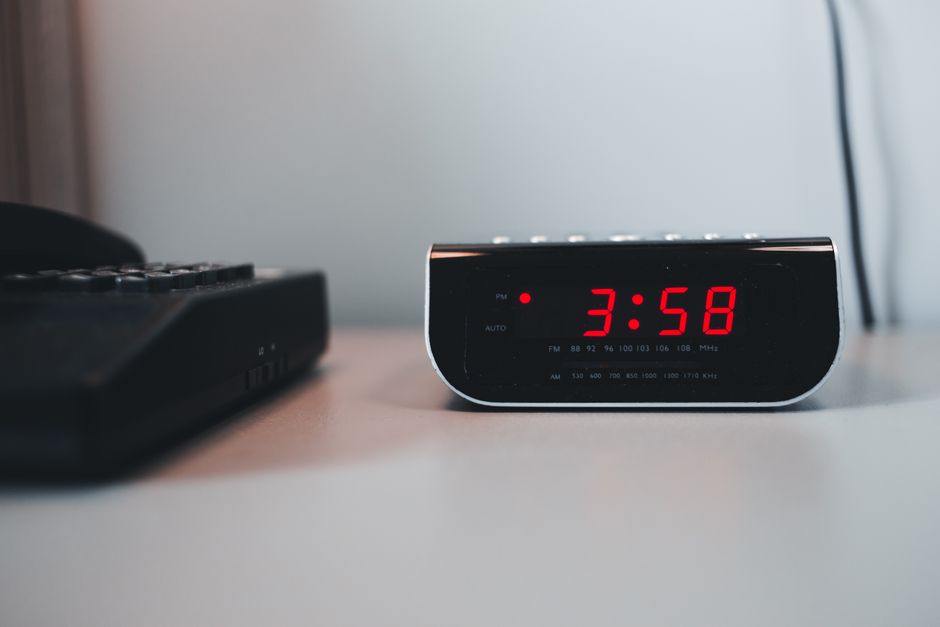
We have all been there. It is 3:00 PM, your focus is fading, and the vending machine or the coffee pot is calling your name. Most people blame their lack of sleep or a stressful workload for this afternoon slump. However, the real culprit often traces back to what you did—or didn’t do—within thirty minutes of opening your eyes. This is where protein timing becomes the ultimate lever for metabolic control.
In the world of health and fitness, we often focus on total daily macros. While total intake matters, the distribution of those nutrients dictates your hormonal environment for the entire day. By shifting your focus to "metabolic front-loading," you can effectively bypass the mid-afternoon willpower drain. This guide explores the physiology of the energy crash and provides a practical, three-day framework to reclaim your afternoon vitality.
Why do I feel so tired every afternoon at 3 PM?
The 3 PM energy crash is usually the result of the "Glucose Rollercoaster." When you start your day with a low-protein, high-carb breakfast (or just coffee), your blood sugar spikes and then rapidly drops. By mid-afternoon, your body is in a state of perceived energy debt. To compensate, your adrenal glands release cortisol to mobilize stored glucose, which simultaneously triggers intense sugar cravings and a "foggy" brain state as your system hunts for quick fuel.
What is metabolic front-loading for protein?
Metabolic front-loading is the practice of consuming a significant portion of your daily protein and calorie requirements during the first half of the day. Instead of the traditional "small breakfast, medium lunch, large dinner" model, front-loading prioritizes nutrient density early. This strategy leverages the body's natural circadian rhythm and higher insulin sensitivity in the morning to stabilize blood sugar levels and suppress hunger hormones before they have a chance to peak in the afternoon.
How does a low-protein breakfast trigger afternoon sugar cravings?
A low-protein breakfast fails to adequately suppress ghrelin, the hormone that signals hunger to your brain. Simultaneously, it lacks the amino acids required to stimulate peptide YY (PYY) and cholecystokinin (CCK), which signal fullness. Without this protein "anchor," your insulin levels fluctuate wildly. By 3 PM, your brain—which consumes about 20% of your body's energy—senses a glucose drop and demands the fastest fuel source available: refined sugar and simple carbohydrates.
The Physiology of the Glucose Rollercoaster
When you consume a breakfast high in sugar or refined grains (like cereal or a bagel), your pancreas secretes a large amount of insulin to manage the blood sugar spike. Insulin is a storage hormone; it clears the sugar from your blood quickly, often leading to an "undershoot" where blood sugar levels fall below baseline. This hypoglycemia is a physiological stressor. Your body responds by releasing cortisol, the stress hormone, which makes you feel wired yet tired—the classic "afternoon slump" symptoms.
What is the 30-in-30 Rule for protein timing?
The 30-in-30 Rule states that you should consume 30 grams of protein within 30 minutes of waking up. This specific threshold is critical because 30 grams of protein typically contains enough leucine—an essential amino acid—to trigger muscle protein synthesis and signal metabolic satiety to the brain. By hitting this target within the 30-minute window, you effectively "switch off" the starvation signals that lead to overeating and energy dips later in the day.
Practical, Low-Friction Ways to Hit 30g of Protein
- The Liquid Base: A high-quality whey or vegan protein isolate shake can be consumed in seconds.
- The Egg Standard: Three large eggs paired with a half-cup of egg whites or a side of Greek yogurt.
- Cottage Cheese Bowl: One cup of low-fat cottage cheese provides roughly 25-28g of protein; top with hemp seeds to cross the 30g mark.
- Leftover Pro-Tip: Reheating 4-5 ounces of grilled chicken or steak from the previous night’s dinner is often the easiest way to ensure compliance.
How do I perform a Satiety Audit to track my energy?
The Satiety Audit is a three-day diagnostic tool designed to prove the connection between your morning intake and your afternoon willpower. By tracking specific metrics, you can see the direct correlation between protein timing and decision fatigue. This audit removes the guesswork and provides the evidence needed to make permanent lifestyle changes.
The 3-Day Satiety Audit Framework
- Day 1: Baseline. Eat your current typical breakfast. Rate your hunger on a scale of 1-10 at 10 AM, 3 PM, and 8 PM. Note the exact time you feel the "crash" and what you crave.
- Day 2: The 30-in-30 Pivot. Implement the 30-in-30 Rule. Consume 30g of protein within 30 minutes of waking. Record the same hunger and energy metrics. Pay close attention to your ability to say "no" to office snacks at 3 PM.
- Day 3: Refinement. Repeat the 30-in-30 Rule but adjust your protein source (e.g., if Day 2 was a shake, try whole foods). Compare the duration of fullness and mental clarity between the two days.
What to look for in your Audit results
When reviewing your audit, look for the "Decision Fatigue Threshold." On Day 1, you will likely find that by 4 PM, your ability to make healthy choices for dinner has evaporated. On Days 2 and 3, notice if that mental "bandwidth" remains intact. Most participants find that front-loading protein doesn't just change their hunger; it changes their patience and focus during the final hours of the workday.
Can protein timing really fix decision fatigue?
Yes. Decision fatigue is heavily influenced by glucose availability in the brain. When your blood sugar is stable, your prefrontal cortex—the area of the brain responsible for executive function and self-control—operates efficiently. When you are on the "glucose rollercoaster," your brain shifts its focus to survival and immediate reward-seeking. By using protein timing to stabilize your blood sugar, you preserve your mental energy for important tasks rather than wasting it on resisting a cookie.
Frequently Asked Questions About Protein Timing
Does coffee count as part of the 30-in-30 rule?
Coffee alone does not count. In fact, drinking caffeine on an empty stomach can exacerbate the cortisol spike. You can have your coffee, but it must be accompanied by 30g of protein. Many people find success by mixing collagen peptides or protein powder directly into their coffee, though whole food sources are often more satiating.
What if I am not hungry in the morning?
Lack of morning hunger is often a sign that your circadian rhythm is shifted or that you are eating too much late at night. Start with a liquid protein source (like a shake) to lower the "friction" of eating. Over time, as your metabolism adjusts to front-loading, your natural morning appetite will return, signaling a healthier metabolic fire.
Is protein powder as effective as whole food for breakfast?
While whole foods like eggs or smoked salmon provide additional micronutrients and take longer to digest, high-quality protein powder is an excellent tool for the 30-in-30 rule. The most important factor is hitting the 30g threshold quickly. If a shake is the only way you can remain consistent, it is infinitely better than skipping breakfast or eating a high-carb alternative.
Can I do intermittent fasting and still front-load protein?
Intermittent fasting (IF) usually involves skipping breakfast, which is the opposite of metabolic front-loading. While IF works for some, those who struggle with 3 PM crashes and evening overeating often find that "Early Time-Restricted Feeding" (eating from 8 AM to 4 PM) provides better metabolic results than the traditional 12 PM to 8 PM window.
Conclusion: Take the First Step
Solving the 3 PM energy crash isn't about more caffeine; it’s about better chemistry. By implementing the 30-in-30 Rule and performing a Satiety Audit, you are taking control of your hormones rather than being a victim of them. Start tomorrow morning: 30 grams of protein within 30 minutes. Your afternoon self will thank you.