Have you ever noticed that some days you feel like a superhero in the gym at 6:00 AM, while other days you can barely lift a fraction of your usual weight? This inconsistency often has less to do with your motivation and more to do with your internal biology. By understanding fitness timing and how to align your physical activity with your circadian rhythms, you can unlock peak performance, accelerate fat loss, and improve your recovery times.
The science of chronobiology—the study of biological rhythms—suggests that our bodies are not static throughout the day. Instead, we operate on a 24-hour cycle that dictates everything from hormone production to core body temperature. When you fight this natural clock, you risk plateaus and burnout. When you sync with it, you optimize every drop of sweat. In this tutorial, we will explore how to identify your personal rhythm and schedule your workouts for maximum efficiency.
Learning Objectives for This Tutorial

- Understand the biological mechanisms of the circadian rhythm and how they affect physical performance.
- Identify the specific benefits of morning versus evening training sessions.
- Discover your personal chronotype to tailor your exercise schedule.
- Learn how to structure a weekly fitness plan based on your body’s natural peaks and troughs.
The Science of Circadian Rhythms and Physical Performance
Your circadian rhythm is an internal master clock located in the hypothalamus of the brain. It regulates the timing of sleep, hunger, and energy levels. However, every cell in your muscles also possesses its own "peripheral clock." When these clocks are synchronized, your body functions like a well-oiled machine.
Core Body Temperature and Muscle Flexibility
One of the most critical factors in fitness timing is your core body temperature. Naturally, your temperature is at its lowest in the early morning hours, shortly before you wake up. It rises throughout the day, peaking in the late afternoon and early evening (between 4:00 PM and 7:00 PM).
A higher core body temperature is associated with increased enzyme activity and faster nerve impulse conduction. This means your muscles are more flexible, your reaction times are quicker, and your overall power output is naturally higher during the late afternoon. Training during this window can significantly reduce the risk of injury because your joints and connective tissues are already "warmed up" by your internal biology.
The Role of Cortisol and Testosterone
Hormones play a massive role in how your body responds to exercise. Cortisol, often called the stress hormone, peaks in the morning to help you wake up. While too much cortisol is detrimental, a morning spike can help mobilize fat stores for energy. On the other hand, testosterone—which is vital for muscle growth and repair—is often higher in the morning but shows a more favorable ratio relative to cortisol in the late afternoon for many individuals. This makes the afternoon an ideal time for hypertrophy (muscle building) and strength gains.
Key Insight: Research consistently shows that muscular strength, anaerobic power, and capacity for high-intensity work peak in the late afternoon, coinciding with the daily peak in core body temperature.
Morning vs. Evening Training: Matching Goals to the Clock
There is no universal "best" time to work out, but there is a best time for your specific goals. Choosing between a sunrise session and a sunset sweat-fest depends on what you want to achieve.
The Case for Morning Workouts: Fat Loss and Consistency
If your primary goal is weight management or establishing a bulletproof routine, the morning might be your best bet. Performing aerobic exercise in a fasted state (before breakfast) can increase fat oxidation by up to 20% compared to exercising after a meal. Furthermore, those who exercise in the morning are statistically more likely to stick to their routine, as fewer daily distractions have the chance to derail their plans.
- Best for: Steady-state cardio, yoga, and habit formation.
- Pro Tip: Ensure a longer warm-up in the morning to compensate for lower core body temperature and stiff joints.
The Case for Evening Workouts: Power and Hypertrophy
If you are training for a powerlifting meet, a sprint, or looking to pack on serious muscle mass, the evening window is superior. Because your body temperature is higher, your muscles can generate more force. Additionally, your perceived exertion is often lower in the evening, meaning you can push yourself harder without it feeling as difficult as it would at 7:00 AM.
- Best for: Heavy lifting, HIIT (High-Intensity Interval Training), and competitive sports.
- Pro Tip: Avoid high-intensity training within two hours of bedtime, as the elevated adrenaline and core temperature can interfere with your ability to fall asleep.
- Note: Proper fitness timing ensures that your most demanding sessions happen when your nervous system is most alert.
Practical Strategies for Identifying Your Personal Chronotype
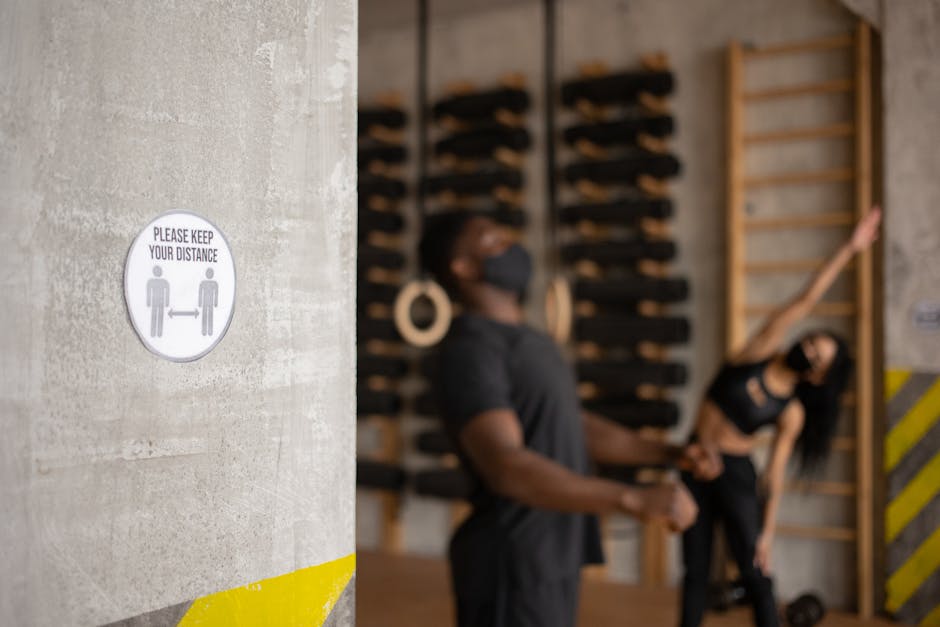
While the general rules of body temperature apply to most, humans fall into different "chronotypes." Your chronotype is your genetic predisposition to be a morning person, an evening person, or somewhere in between. Identifying this is the first step in optimizing your energy levels.
The Four Main Chronotypes
Based on the work of sleep experts like Dr. Michael Breus, most people fit into one of four categories:
- The Lion: Morning hunters who wake up early with high energy. They are most productive in the morning but often crash by 8:00 PM.
- The Bear: Most of the population follows the sun. They wake up with the sunrise and feel a dip in energy in the mid-afternoon.
- The Wolf: Night owls who struggle with mornings. They find their creative and physical peak in the late evening.
- The Dolphin: Light sleepers who often struggle with regular rhythms and may have bursts of energy at unpredictable times.
How to Find Your Type
To find your chronotype, track your natural wake-up time for one week without an alarm clock (ideally during a vacation). Notice when you feel most alert and when you experience "brain fog." If you feel naturally energized at 10:00 AM, you are likely a Bear or a Lion. If you don't feel "human" until 2:00 PM, you are likely a Wolf.
Tutorial: Designing Your Optimal Fitness Schedule
Now that you understand the science and have identified your chronotype, let’s build a schedule. Use the following steps to align your workouts with your body clock.
Step 1: Define Your Primary Objective
Are you training for performance or for health maintenance? Performance-based goals (like a faster 5k or a heavier squat) should be scheduled during your biological peak. Health maintenance goals (like general movement or stress relief) can be scheduled during your biological troughs.
Step 2: Map Your Energy Windows
Use the following template to map your day. This example is for the "Bear" chronotype (the most common):
- 7:00 AM - 8:00 AM: Low-intensity movement (Walking, light stretching).
- 10:00 AM - 12:00 PM: Peak mental focus (Avoid heavy physical training if possible).
- 4:00 PM - 6:30 PM: Peak Physical Window (Strength training, HIIT, sports).
- 9:00 PM onwards: Wind down (No intense exercise).
Step 3: Adjust for Recovery
Remember that your body doesn't just need time to train; it needs time to recover. If you perform a high-intensity session in the evening, your body will be in a state of repair overnight. If you train again the next morning, you are cutting that recovery window short. Aim for at least 12-24 hours between high-intensity sessions.
Advanced Considerations: Preventing Overtraining
Optimizing your fitness timing isn't just about when to work out; it's about when to rest. Overtraining occurs when the volume and intensity of your exercise exceed your body's recovery capacity. By aligning with your circadian rhythm, you can actually detect overtraining early.
Monitor your Resting Heart Rate (RHR) every morning upon waking. If you notice your RHR is 5-10 beats higher than usual, your nervous system is likely stressed. On these days, regardless of what your "optimal window" says, you should opt for active recovery like walking or light mobility work. Your body clock is telling you that it needs more time to reset its internal chemistry.
Practice Exercises: Testing Your Timing
To truly master your fitness timing, you need to conduct a small experiment on yourself. Follow these steps over the next two weeks:
- Week 1: Perform all your workouts in the morning (before 9:00 AM). Record your perceived exertion (1-10 scale), your mood, and your strength levels.
- Week 2: Perform the exact same workouts in the late afternoon/early evening (4:00 PM - 7:00 PM). Record the same metrics.
- Comparison: Compare the data. In which week did you lift more weight? In which week did you feel more energized throughout the day?
Next Steps and Conclusion
Aligning your exercise with your internal body clock is one of the most effective, science-backed ways to improve your results without spending more time in the gym. By leveraging the natural fluctuations in your core body temperature and hormone levels, you can train harder, recover faster, and stay consistent.
To summarize your journey into fitness timing:
- Identify your chronotype (Lion, Bear, Wolf, or Dolphin).
- Prioritize strength and power sessions for your late afternoon peak.
- Utilize morning windows for fat loss, consistency, and low-intensity cardio.
- Always listen to your body’s recovery signals, such as resting heart rate.
Don't be afraid to experiment. While science provides the framework, your personal lifestyle and preferences are the final piece of the puzzle. Start by shifting just one or two sessions a week to your "optimal" window and observe the difference in how you feel and perform. Your body clock is ticking—make sure you're working with it, not against it.