For decades, the fitness mantra "no pain, no gain" has pushed people to embrace suffering as the only path to results. But sports science tells a different story: discomfort is not the same as damage, and chasing pain often leads to injury, burnout, and stalled progress. This article will help you distinguish between the productive burn of muscle fatigue and the warning signs of harm, so you can train smarter—not harder.
Quick Takeaways
- Muscle soreness (DOMS) is normal; sharp, localized, or joint pain is not.
- Ignoring pain increases injury risk by up to 60% and slows long-term gains.
- Use the Talk Test and Rate of Perceived Exertion (RPE) to gauge intensity without guesswork.
- Recovery is where progress happens—never push through red flags.
1. Productive Discomfort: The Good Burn
The burning sensation in your muscles during the last few reps of a set is usually a sign of metabolic stress—a natural byproduct of anaerobic exercise. This discomfort arises from the buildup of lactate and hydrogen ions, which signal that your muscles are working near their limit. It's temporary and fades within seconds after you stop.
Why it matters: This type of discomfort is a training stimulus. Research shows that reaching muscular failure or near-failure triggers muscle protein synthesis and growth. But the key word is "near"—you don't need to push to complete exhaustion every workout.
Example: A set of squats where the last two reps are slow and grindy but your form remains intact. That's productive discomfort.
Practical note: If the burn disappears as soon as you rack the weight and you can catch your breath within a minute, you're in the safe zone. Stay there.
2. Harmful Pain: Sharp, Stabbing, or Joint-Related
Pain that is sharp, stabbing, sudden, or located in a joint (knee, shoulder, lower back) is never normal. Unlike muscle burn, this type of pain indicates tissue damage—whether to ligaments, tendons, bones, or cartilage. Ignoring it doesn't build resilience; it builds injury.
Why it matters: A 2020 review in the Journal of Orthopaedic & Sports Physical Therapy found that athletes who continued training through acute pain had a 60% higher risk of developing chronic conditions and prolonged recovery times. Pain is your body's alarm system; disabling it leads to worse outcomes.
Example: A sharp twinge in your hip during a deadlift, or a clicking sensation in your shoulder during a push-up, with accompanying pain.
Practical note: Stop immediately. If the pain persists after resting for two minutes, cease the exercise entirely. Seek professional assessment before resuming—do not try to "stretch it out" if it's sharp.
3. DOMS: Why Soreness Isn't a Sign of a Good Workout
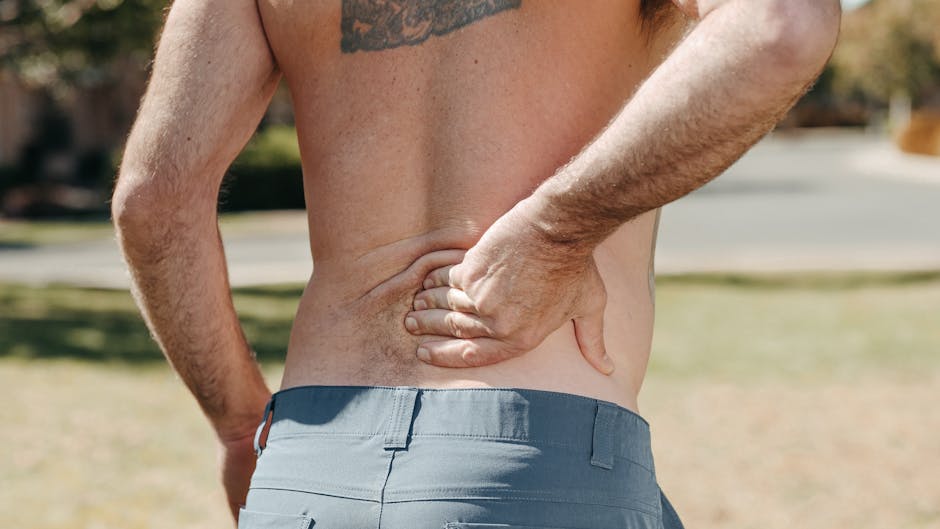
Delayed onset muscle soreness (DOMS) is the dull, aching stiffness you feel 24–72 hours after a novel or intense workout. It's caused by microscopic muscle tears and inflammation—a normal part of adaptation. But DOMS is a terrible measure of workout quality. In fact, excessive DOMS that impairs movement or lasts more than five days is a sign of overreaching.
Why it matters: Chasing DOMS often leads to under-recovery and reduced performance. A 2013 study in Sports Medicine showed that athletes who trained while suffering from high DOMS had reduced force output and increased injury risk. Consistent progress comes from cumulative training, not from being barely able to walk after each session.
Example: You hit legs hard on Monday, can barely sit on the toilet Tuesday, and skip Wednesday's session because of stiffness. That's not progress—it's a disruption.
Practical note: Differentiate between general soreness and focal pain. If you can't perform your next workout with good form, consider a recovery day or deload. Use light movement, foam rolling (gently), and sleep to manage DOMS—not to amplify it.
4. Overtraining: When More Isn't Better
Overtraining syndrome (OTS) is a condition caused by chronically excessive training without adequate recovery. Symptoms include persistent fatigue, decreased performance, mood disturbances, disturbed sleep, and frequent illness. It's not just being tired—it's a systemic breakdown that can take weeks or months to reverse.
Why it matters: OTS isn't just about stalled progress; it can reverse progress. A meta-analysis in Frontiers in Physiology (2019) found that overtrained individuals lost strength and endurance at rates exceeding 10% over six weeks, even while continuing to train. The mantra "more is better" backfires.
Example: You've been pushing 7 days a week for months. Your lifts are dropping, you're irritable, and you catch every cold. That's a red flag.
Practical note: Schedule at least one complete rest day per week. Every 4–6 weeks, take a deload week with 40–50% less volume. If you suspect OTS, take a full week off from structured training and assess recovery before resuming.
5. The Talk Test and RPE: Your Internal Gauges
You don't need a heart rate monitor to know when you're pushing too hard. Two simple, evidence-based tools can help you stay in the optimal intensity zone: the Talk Test and the Rate of Perceived Exertion (RPE) scale.
The Talk Test: During moderate activity, you should be able to speak in full sentences without gasping. If you can't say more than a few words between breaths, you're in the high-intensity zone. While that's okay for intervals, holding that level for long periods increases injury and overreaching risk.
RPE Scale (Borg CR-10 or modified 1–10): An RPE of 5–7 corresponds to "moderate" to "hard" effort—enough to stimulate adaptation without causing breakdown. An RPE of 9–10 should be reserved for rare maximal efforts or competition.
Why it matters: These tools individualize intensity. A study in Medicine & Science in Sports & Exercise (2018) showed that using RPE helps athletes avoid overtraining while still achieving performance gains. It's simple, free, and effective.
Example: During a steady run, you can say "I'm feeling good today" without stopping to breathe. That's a 5–6 RPE. Perfect for building endurance.
Practical note: For strength training, use the "reps in reserve" method—stop one or two reps before failure. That typically corresponds to an RPE of 8–9. Reserve true failure for your last set of the last exercise, if at all.
6. When to Back Off: Listening to Warning Signs
Knowing when to stop is just as important as knowing when to push. The following warning signs should prompt you to immediately reduce intensity, volume, or take a rest day:
- Sharp, stabbing, or tearing sensation during an exercise
- Joint pain that worsens with movement
- Dizziness, nausea, or chest tightness (stop and seek medical help)
- Unusual fatigue that persists after warm-up
- Inability to maintain good form due to weakness or imbalance
- Pain that persists for more than 3 days after a session
Why it matters: Pushing through these signals doesn't build mental toughness—it builds scar tissue and compensatory movement patterns that lead to chronic issues. The most successful athletes and lifters are those who back off early and return stronger, not those who push through injury.
Example: You feel a dull ache in your Achilles during calf raises. Instead of ignoring it, you switch to seated raises with less load and focus on eccentric control. The pain disappears, and you avoid a tendonitis flare-up.
Practical note: Create a personal "red flag" list based on your injury history. If you experience any of those sensations, stop that exercise and replace it with a pain-free alternative for that session.
7. Bonus: How to Reframe Your Workout Mindset
The biggest shift you can make is moving from "no pain, no gain" to "smart discomfort, consistent progress." This doesn't mean going easy—it means being strategic about when to push and when to pull back. Reframe your internal dialogue:
- From "I must feel destroyed to grow" to "I need to stimulate, not annihilate."
- From "Rest is lazy" to "Recovery is training."
- From "Pain is weakness leaving the body" to "Pain is data—listen to it."
Practical note: Keep a training log that includes not just weights and reps but also how the session felt (energy, discomfort type, RPE). Patterns will emerge that help you identify when a tough session is productive versus when it's a red flag.
Putting It All Together
Distinguishing productive discomfort from harmful pain is a skill, not a birthright. Use the Talk Test and RPE to keep intensity in check. Watch for the red flags of injury and overtraining. Embrace the burn of muscular effort, but never ignore sharp, joint, or persistent pain. Recovery is not optional—it's where your body rebuilds stronger. Let go of the outdated "no pain, no gain" mindset and adopt a more nuanced approach: train smart, listen to your body, and progress will follow.
Your next step: Choose one session this week to apply the Talk Test. If you can't speak in full sentences during steady-state cardio or find yourself failing at an RPE 10 in the weight room, back off. See how your body responds to smarter intensity. You'll be surprised how much better you feel—and how much more progress you make.