
Quick Verdict: Is Exercise Snacking Worth the Hype?

For the modern professional, the biggest barrier to health isn't a lack of motivation—it is a lack of time. In this comprehensive Micro-Workouts Review, we examine the effectiveness of 'exercise snacking,' a method that replaces long gym sessions with short, intense bursts of activity. After analyzing the metabolic data and practical application, our verdict is clear: Micro-workouts are a 4.5/5 solution for maintaining cardiovascular health and metabolic flexibility when a traditional workout is impossible.
While they may not turn you into a professional bodybuilder, micro-workouts are scientifically proven to mitigate the risks of a sedentary lifestyle. If you have five minutes between meetings, you have enough time to improve your life.
Pros and Cons of Micro-Workout Protocols
Understanding the trade-offs of this fitness strategy is essential before you overhaul your daily routine. Here is a breakdown of what to expect.
- Pro: Zero Equipment Required – Most micro-workouts leverage body weight, making them accessible anywhere.
- Pro: High Compliance Rates – It is much harder to skip a 5-minute session than a 60-minute session.
- Pro: Improved Metabolic Health – Short bursts help regulate blood sugar and insulin levels after meals.
- Pro: Reduced Sedentary Risk – Breaks the 'sitting disease' cycle that plagues office workers.
- Con: Limited Hypertrophy – You will not see significant muscle growth compared to heavy resistance training.
- Con: Requires High Intensity – To be effective, these bursts must be performed at high effort levels.
- Con: Frequency is Key – You must perform them multiple times a day to see cumulative benefits.
The Science of Micro-Workouts: How 5-Minute Bursts Change Everything
The core concept of the micro-workout is based on the physiological principle of Vigorous Intermittent Leisure Physical Activity (VILPA). Recent studies in journals such as Nature Medicine suggest that just three to four one-minute bursts of vigorous activity daily can lead to a 40% reduction in all-cause mortality and cancer-related mortality.
Cardiovascular Impact and VO2 Max
Many believe that cardiovascular improvements only happen after 20 minutes of sustained elevated heart rate. However, research into HIIT (High-Intensity Interval Training) has evolved into 'Sprint Interval Training' (SIT). These protocols show that 30-second all-out sprints, repeated just a few times, can improve VO2 max as effectively as 45 minutes of moderate jogging. This is due to the rapid recruitment of Type II muscle fibers and the quick demand placed on the heart to deliver oxygenated blood.
Metabolic Health and Glucose Regulation
One of the most significant benefits of 'exercise snacking' is its impact on postprandial (after-meal) glucose levels. Sitting for long periods after eating leads to insulin spikes and sluggish metabolism. A 2019 study published in Applied Physiology, Nutrition, and Metabolism found that participants who performed 'stair snacking'—climbing three flights of stairs three times a day—saw significant improvements in cardiorespiratory fitness and power output. These short bursts act as a 'metabolic vacuum,' pulling glucose from the bloodstream into the muscles for fuel.
Practical Micro-Workout Routines for the Office and Home
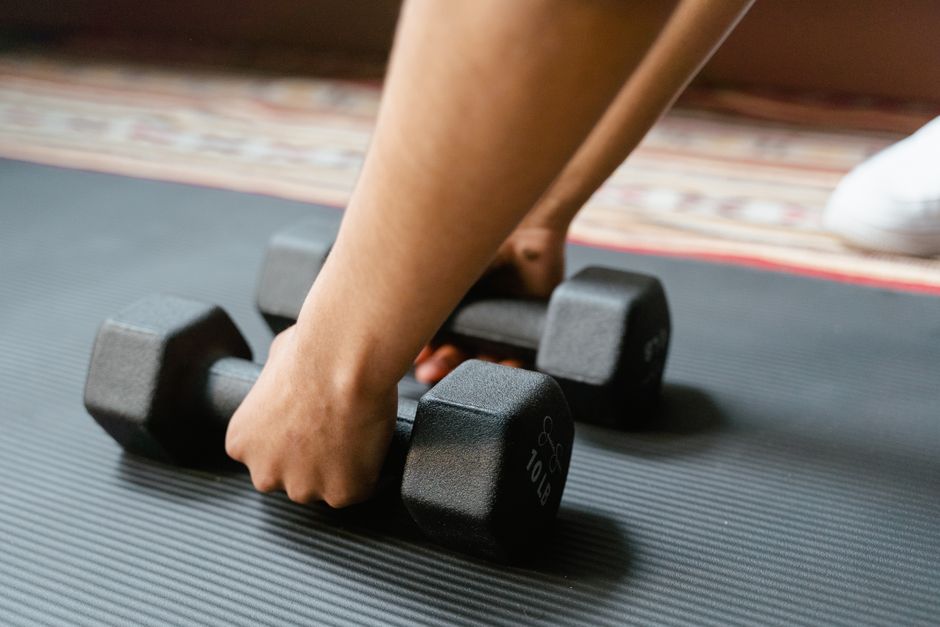
To implement micro-workouts successfully, you need a repertoire of movements that require no wardrobe change and minimal space. Here are three effective protocols designed for busy environments.
The 'Meeting Buffer' Routine (5 Minutes)
Perform each movement for 45 seconds with 15 seconds of rest between them:
- Bodyweight Squats: Focus on depth and keeping the chest upright.
- Desk Push-ups: Use a stable desk or counter to perform incline push-ups.
- Alternating Lunges: Improves hip mobility and leg strength.
- Wall Sit: Hold for 45 seconds to build isometric lower body endurance.
- Shadow Boxing: Increases heart rate rapidly while releasing mental stress.
- Seated Leg Extensions: Squeeze the quads at the top for 2 seconds.
- Desk Planks: Forearms on the desk, body in a straight line, core engaged.
- Calf Raises: Can be done while on a muted conference call.
- Corporate Professionals: Those with back-to-back meetings who cannot leave the office.
- Stay-at-Home Parents: Individuals who have small windows of time while children are napping or playing.
- Frequent Travelers: People who spend hours in airports or hotel rooms without gym access.
- Fitness Beginners: Those who find the gym environment intimidating and want to build a baseline of movement.
The 'Stairwell Sprint' Protocol (2 Minutes)
If your office building has stairs, this is the gold standard of exercise snacking. Climb as fast as safely possible for 60 seconds, then walk back down. Repeat twice. This protocol is specifically linked to improved mitochondrial function.
The 'Deep Focus' Reset (3 Minutes)
For those who cannot leave their desk, focus on high-tension movements:
Micro-Workouts vs. Traditional Gym Sessions
How does the micro-approach stack up against the traditional hour-long gym session? The following table compares the two based on key fitness metrics.
| Feature | Micro-Workouts | Traditional Gym (1 Hour) |
|---|---|---|
| Time Commitment | 15-20 mins total/day | 60-90 mins/day |
| Metabolic Boost | Frequent, short spikes | One large daily spike |
| Muscle Hypertrophy | Low to Moderate | High |
| Convenience | High (Anywhere) | Low (Requires travel) |
| Mental Fatigue | Reduces fatigue | Can increase fatigue |
Breaking the 'All-or-Nothing' Mindset
The greatest hurdle to fitness is the psychological belief that if you cannot spend an hour in the gym, the day is 'wasted.' This perfectionism is the enemy of consistency. Shifting to a micro-workout mindset requires understanding the cumulative power of incremental movement.
Think of your health like a financial savings account. A $500 deposit (a long gym session) is fantastic, but ten $50 deposits (micro-workouts) result in the same balance. By reframing movement as 'snacks' rather than 'feasts,' you remove the intimidation factor. This psychological shift reduces the cortisol spikes associated with 'workout dread' and makes fitness a seamless part of your identity rather than a chore on your to-do list.
Strategies for Consistency
To make micro-workouts stick, use 'habit stacking.' Perform five air squats every time you wait for the coffee to brew. Do ten calf raises every time you are on a phone call. By anchoring the movement to an existing habit, you bypass the need for intense willpower.
Who Are Micro-Workouts Best For?

While everyone can benefit from more movement, certain individuals will find this review particularly relevant:
Final Recommendation: Should You Start Exercise Snacking?
Our final recommendation is a resounding Yes. While micro-workouts should ideally supplement a well-rounded fitness program that includes heavy resistance training, they are infinitely better than a sedentary lifestyle. If you are currently doing nothing because you 'don't have time,' the micro-workout is your bridge to better health.
To get started, commit to just three 5-minute 'snacks' today. Focus on intensity and form. You will likely find that the mental clarity and energy boost you receive are far more valuable than the time you 'lost' by stepping away from your screen. Fitness is not a destination; it is a series of small, consistent decisions. Start snacking today!