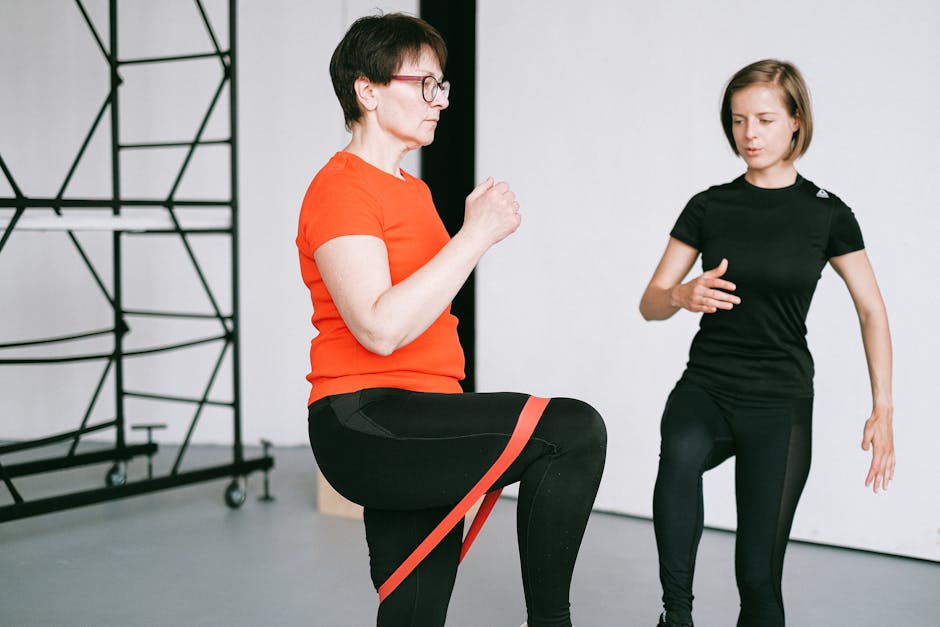
In today’s high-pressure corporate environment, finding a spare hour for the gym can feel like an impossible task. However, the latest exercise science suggests that you don't need a 60-minute session to transform your health. Micro-workouts for busy professionals are revolutionizing the way we approach fitness, proving that short, high-impact bursts of movement can be just as effective for metabolic health as traditional training. By integrating these 'exercise snacks' into your daily routine, you can stabilize your energy, sharpen your focus, and improve your long-term cardiovascular health without ever stepping foot in a locker room.
Before You Start: Setting the Stage for Success

Before implementing a micro-workout strategy, it is essential to prepare your environment and mindset. Unlike a traditional workout, these bursts happen in the midst of your professional responsibilities. To ensure you stay consistent, consider the following preliminary steps:
- Hydration is Key: Keep a liter of water at your desk. Movement increases metabolic demand, and staying hydrated ensures your joints are lubricated and your brain stays sharp.
- Dress for Versatility: While these routines require no wardrobe changes, wearing breathable fabrics or slightly looser professional attire can make movement more comfortable.
- Clear Your Space: Ensure you have at least a 3x3 foot area near your desk that is free of tripping hazards.
- Set a Trigger: Decide on a specific cue—like a finished meeting or a sent report—that signals it is time for your micro-burst.
☐ Assess Your Current Daily Movement Baseline
The first step in any fitness journey is understanding your starting point. For most high-stress professionals, the majority of the day is spent in a seated, sedentary position. This lack of movement leads to postural issues and metabolic slowdown. By tracking your current steps or standing time, you can identify the 'dead zones' in your schedule where movement is most needed.
Take one full workday to note how many hours you spend sitting versus standing. Use a smartwatch or a simple phone app to track your movement. If you find you are sitting for more than three hours at a time, your metabolic rate likely drops significantly, making you a prime candidate for micro-workouts.
☐ Leverage the Science of Insulin Sensitivity
Why exactly do 10-minute bursts work? The answer lies in your biochemistry. When you engage in high-intensity movement, your muscles require immediate energy. This process triggers the translocation of GLUT4 glucose transporters to the surface of your muscle cells. Essentially, movement opens the 'doors' to your cells, allowing them to pull sugar out of your bloodstream without requiring massive amounts of insulin.
By performing short bursts of exercise throughout the day, you maintain higher insulin sensitivity. This prevents the 'afternoon slump' caused by blood sugar crashes and protects you against metabolic syndrome. Research has shown that three 10-minute bouts of exercise are nearly as effective at improving aerobic capacity and blood pressure as one continuous 30-minute session.
☐ Master the Art of Habit Stacking
The biggest barrier to fitness is often memory and willpower. Habit stacking is a psychological strategy where you pair a new habit (the micro-workout) with an existing one. For a busy professional, this means identifying recurring daily tasks and 'stacking' movement on top of them.
Identify Your Anchor Habits
An anchor habit is something you already do without thinking. Examples include brewing coffee, checking your morning emails, or waiting for a Zoom call to start. By telling yourself, "When the coffee is brewing, I will do 20 air squats," you remove the need for motivation. The environment itself becomes the reminder.
Create If-Then Contingencies
Use the 'If-Then' framework to automate your fitness. "If I am on a phone call where I am primarily listening, then I will pace around my office." "If I finish a deep-work sprint, then I will do two minutes of stretching." These micro-decisions add up to significant caloric expenditure and mental clarity over a 40-hour work week.
☐ Execute the Level 1: The Stealth Professional Routine

This routine is designed for those in open-plan offices or high-visibility environments where you want to move without drawing undue attention. These movements require zero equipment and won't leave you breathless or sweaty before a big presentation.
- Seated Leg Extensions: While sitting, straighten one leg under your desk, hold for three seconds, and lower. Repeat 15 times per leg to engage the quads and improve circulation.
- Standing Calf Raises: While waiting at the photocopier or standing during a briefing, raise your heels off the floor, hold, and lower. This engages the 'second heart' (the calf muscles) to pump blood back to the upper body.
- Desk Push-Ups: Place your hands on the edge of a sturdy desk and perform 10 controlled repetitions. This improves posture by engaging the chest and core.
- Glute Squeezes: Simply squeeze and release your glutes while sitting. This helps combat 'gluteal amnesia' caused by prolonged sitting.
☐ Implement the Level 2: The Power Break Routine
When you have a private office or a 10-minute gap between meetings, you can increase the intensity. This routine focuses on functional movements that counteract the 'hunched' posture of desk work.
The 5-Minute Reset
Spend five minutes performing 10 repetitions of each of the following: Bodyweight squats, wall slides (to open the shoulders), and lunges. This circuit increases your heart rate enough to stimulate the release of endorphins, which are natural stress-fighters.
Stair Climbing Sprints
If your office building has a stairwell, use it. Climbing stairs for just two minutes at a vigorous pace is one of the most effective ways to improve VO2 max. It requires no special gear and provides an immediate boost to your cognitive function by increasing oxygen flow to the prefrontal cortex.
☐ Conquer the Level 3: The Executive Burn Routine
This is for the home-office professional or those with access to a private gym/space. This routine uses High-Intensity Interval Training (HIIT) principles to maximize metabolic impact in under 10 minutes. This level will likely cause a light sweat, so it is best performed before a lunch break or at the end of the day.
- Burpees (Modified or Full): 30 seconds of work followed by 30 seconds of rest. Burpees are a full-body movement that spikes the heart rate and triggers the EPOC effect (Excess Post-exercise Oxygen Consumption), meaning you burn more calories for hours after you stop.
- Mountain Climbers: From a plank position, drive your knees toward your chest. This builds core stability and cardiovascular endurance.
- High Knees: Run in place, bringing your knees to hip height. This is a high-impact move that significantly boosts metabolic rate.
☐ Optimize Your Mental Focus Through Movement
Micro-workouts for busy professionals aren't just about physical health; they are a cognitive tool. Physical activity stimulates the production of Brain-Derived Neurotrophic Factor (BDNF). BDNF is often described as 'Miracle-Gro for the brain' because it supports the survival of existing neurons and encourages the growth of new ones.
When you feel a 'brain fog' setting in during a complex project, a 5-minute micro-workout can clear the cobwebs more effectively than a third cup of coffee. By shifting your focus from a screen to your body, you allow your brain to enter the 'diffuse mode' of thinking, which is where creative problem-solving happens.
☐ Monitor and Track Your Metabolic Progress
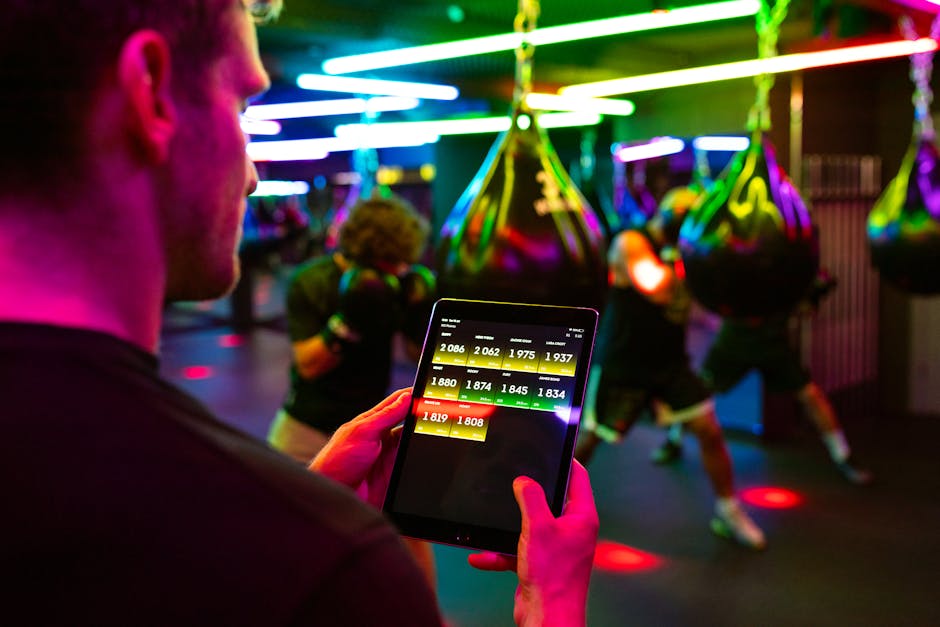
To keep yourself motivated, track the 'non-scale victories.' While you might not see a change in the mirror on day one, you will notice changes in your energy levels and focus. Use a simple checklist or a digital tracker to log how many micro-bursts you complete each day.
Over time, you can aim to increase the frequency. A successful target for a busy professional is four 5-to-10-minute bursts per day. This equates to nearly 200 minutes of high-quality movement per week—surpassing the standard medical recommendations for physical activity without ever needing a traditional gym session.
Summary and Conclusion
The transition from a sedentary lifestyle to an active one doesn't require a radical schedule overhaul. By utilizing micro-workouts for busy professionals, you can reclaim your health in the gaps of your day. These short bursts provide a powerful metabolic stimulus, improve insulin sensitivity, and enhance your cognitive performance, allowing you to show up as the best version of yourself in the boardroom and beyond.
Ready to start? Download our printable Micro-Workout Daily Tracker to keep at your desk and begin checking off your movement goals today. Remember, the best workout is the one that actually happens—and a 10-minute burst is always better than a 60-minute session you didn't have time for.