
In the modern corporate landscape, time is the most precious commodity. Many high-achieving individuals believe that physical excellence requires grueling hour-long sessions at a commercial gym. However, recent physiological research is turning this notion on its head. Micro-workouts for busy professionals are emerging as the most efficient way to maintain peak physical and mental performance without sacrificing a packed schedule. By leveraging the power of 'exercise snacks,' you can achieve significant health markers in just minutes a day.
The Science of Exercise Snacks and Metabolic Health

For decades, the standard fitness advice centered on the idea that exercise only 'counted' if it lasted thirty minutes or more. We now know this is a myth. The concept of the 'Minimum Effective Dose' (MED) suggests that there is a specific threshold of stimulus required to trigger a physiological adaptation. For busy professionals, identifying this dose is the key to longevity and vitality.
Micro-workouts, or exercise snacks, are short bursts of vigorous activity lasting anywhere from 20 seconds to 10 minutes. Research published in journals such as Applied Physiology, Nutrition, and Metabolism demonstrates that these brief intervals can significantly improve cardiorespiratory fitness and metabolic health. When you engage in high-intensity movement, your body undergoes a process called mitochondrial biogenesis, which essentially increases the energy-producing powerhouses within your cells.
Understanding Post-Prandial Glucose Regulation
One of the most profound benefits of micro-workouts for busy professionals is their impact on blood sugar. After eating, blood glucose levels naturally spike. For those who remain sedentary at a desk, these spikes can remain elevated, leading to insulin resistance and systemic inflammation over time. Short bursts of activity—such as two minutes of stair climbing or air squats—activate the GLUT4 translocation process. This allows your muscles to pull glucose from the bloodstream even without high levels of insulin, effectively smoothing out blood sugar curves throughout the workday.
The EPOC Effect: Burning Fat While You Work
High-intensity micro-workouts trigger Excess Post-exercise Oxygen Consumption (EPOC). This is often referred to as the 'afterburn' effect. Because these short bursts are performed at a high intensity, they disrupt the body’s homeostasis. Your metabolism remains elevated for hours afterward as the body works to restore oxygen levels, clear lactic acid, and repair muscle tissue. This means a five-minute intense circuit at 10:00 AM can still be contributing to your caloric expenditure during your 2:00 PM board meeting.
The Ultimate 15-Minute Office-Friendly Bodyweight Routine
Transitioning from theory to practice requires a plan that eliminates friction. The following routine is designed to be performed in a standard office environment, requiring no equipment and no change of clothes. By breaking this 15-minute routine into three 5-minute 'snacks' throughout the day, you can maintain high energy levels and keep your metabolism firing.
Phase 1: The Morning Activation (5 Minutes)
Start your day by waking up your posterior chain and core. This phase focuses on reversing the 'office slouch' that occurs from prolonged sitting. Perform each movement for 60 seconds with no rest between them.
- Wall Slides: Stand with your back against a wall, arms in a 'W' shape. Slowly slide your arms up into a 'Y' and back down, keeping your shoulder blades pinned. This activates the mid-trapezius and rhomboids.
- Desk Push-Ups: Place your hands on the edge of your sturdy desk. Perform controlled push-ups to engage the chest, triceps, and core.
- Bodyweight Air Squats: Stand with feet shoulder-width apart. Sit back as if sitting in a chair, keeping your chest upright. This drives blood flow to the largest muscle groups in the body.
- Standing Bird-Dog: While standing, reach your right arm forward and kick your left leg back, maintaining a flat back. Alternate sides to engage the contralateral core.
- Calf Raises: Stand behind your chair for balance and rise onto your toes. This helps with venous return, pushing blood from the lower extremities back to the heart.
Phase 2: The Mid-Day Metabolism Booster (5 Minutes)
Performed around lunch or mid-afternoon, this phase is designed to be high-intensity. The goal is to get your heart rate up quickly to combat the afternoon slump.
- High Knees in Place (45 seconds): Jog in place, bringing your knees toward your chest.
- Shadow Boxing (45 seconds): Throw controlled punches in the air. This is an excellent way to release stress and engage the shoulders.
- Incline Mountain Climbers (45 seconds): Using your desk or a stable chair, drive your knees toward your chest in a running motion.
- Bulgarian Split Squats (45 seconds per leg): Place one foot behind you on your chair and squat down with the other. This is the ultimate lower-body strengthener.
- Deep Breathing Recovery (30 seconds): Finish with box breathing (inhale 4, hold 4, exhale 4, hold 4) to transition back into a focused work state.
Phase 3: The Afternoon Posture Reset (5 Minutes)
As the day winds down, focus on mobility and alleviating tension in the neck, hips, and lower back.
Utilize static and dynamic stretching to undo the physical toll of a high-pressure day. Focus on the hip flexors, which become chronically short during sitting, and the pectoral muscles, which tighten when typing. A simple 'Doorway Stretch' or 'Couch Stretch' (using your office chair) can drastically reduce the risk of chronic back pain.
Mastering Habit-Stacking for Consistent Movement
The biggest hurdle for busy professionals isn't the physical effort; it's the cognitive load of remembering to move. This is where the psychological principle of habit-stacking comes into play. Popularized by productivity experts, habit-stacking involves attaching a new desired behavior to an existing, non-negotiable habit.
Identifying Your Anchor Habits
To successfully integrate micro-workouts for busy professionals, you must identify 'anchors' that already exist in your schedule. Common anchors include:
- Ending a phone or Zoom call.
- Waiting for the coffee to brew.
- The top of every hour.
- Immediately after finishing a specific recurring task (like clearing your inbox).
Overcoming the 'All-or-Nothing' Mindset
Many professionals suffer from a perfectionist streak that suggests if they can't do a full 60-minute workout, they shouldn't bother at all. Science suggests the opposite. The cumulative effect of these micro-workouts is significant. Three 10-minute sessions spread across the day have been shown in some studies to be more effective for weight management and blood pressure control than a single 30-minute block. Embracing the 'minimum effective dose' allows you to maintain consistency even during your busiest weeks, preventing the 'fitness decay' that usually occurs during high-stress periods.
"Consistency beats intensity every time. You don't need a gym; you need a system that respects your time constraints while honoring your biology."
Long-Term Benefits and Sustainable Fitness Strategies
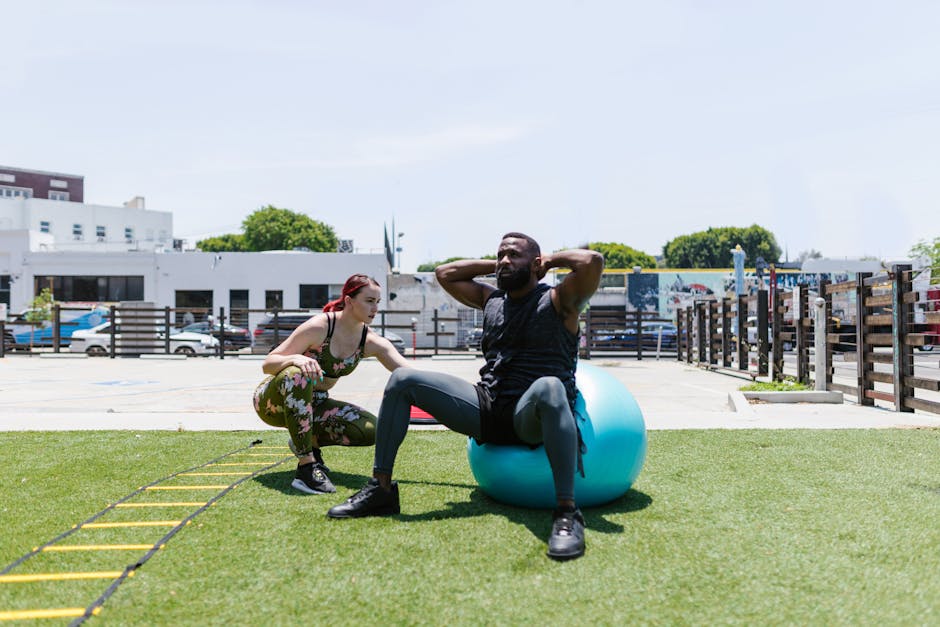
Adopting a lifestyle centered on micro-workouts for busy professionals does more than just burn calories. It fosters a 'movement mindset' that permeates every aspect of your life. When you view exercise as something that can happen anywhere at any time, you become more resilient to the typical excuses that derail fitness journeys.
Over the long term, these small bouts of activity contribute to increased bone density, improved cognitive function, and enhanced mood. The endorphin release associated with even five minutes of vigorous movement can act as a natural 'reset' for your brain, improving your decision-making capabilities and emotional regulation during difficult negotiations or high-stakes projects.
Tailoring Micro-Workouts to Your Environment
Not every office is the same. If you work in an open-plan office, your micro-workouts might be more discreet, such as isometric contractions (squeezing muscles without moving joints) or taking the long way to the restroom. If you work from home, you have the freedom to keep a kettlebell or a pull-up bar nearby. The key is to adapt the principle of the 'exercise snack' to your specific constraints. The goal is never to be perfect; it is simply to be better than sedentary.
Conclusion: Your Path to High-Performance Health
The era of the 'weekend warrior'—the professional who sits for 50 hours a week and tries to make up for it on Saturday—is coming to an end. The science clearly favors the frequent, short, and intense. By integrating micro-workouts for busy professionals into your daily workflow, you are not just exercising; you are optimizing your biological hardware for the demands of your career.
Start tomorrow. Choose one anchor habit, stack a five-minute movement routine onto it, and notice the immediate shift in your energy levels. Fitness doesn't require an hour; it requires a commitment to the small moments that add up to a healthier, more productive life.