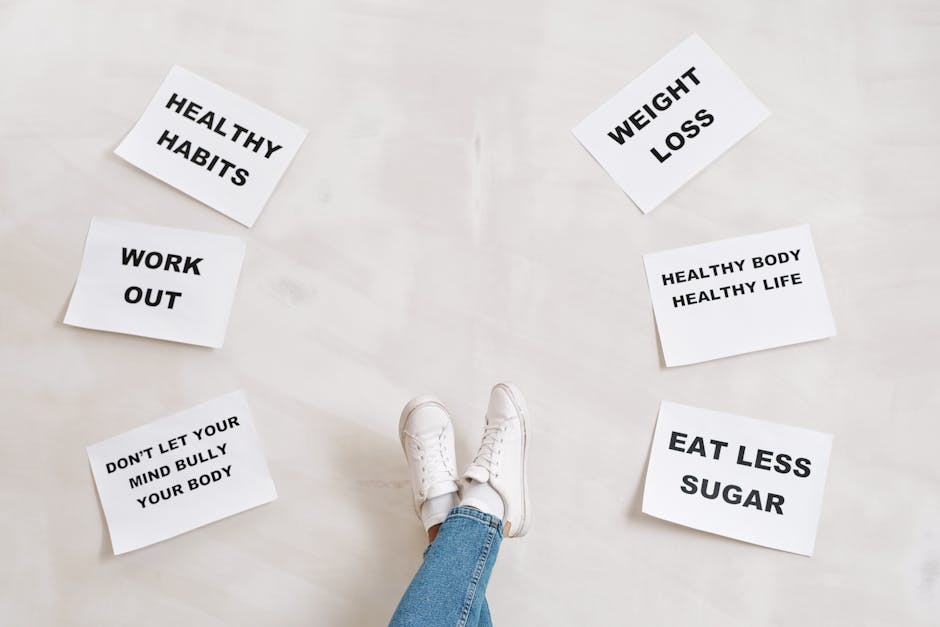
Fitness experts are reporting a significant shift in behavioral health as micro-habits for fitness gain traction as the most effective way to combat sedentary lifestyles and chronic burnout. This movement prioritizes five-minute daily wins over the traditional, often intimidating, hour-long gym sessions that many find impossible to maintain. By focusing on the minimum effective dose of activity, individuals are finding they can achieve long-term physiological changes without the psychological burden of a perfectionist mindset.
As of late 2023, health researchers have observed that the primary reason fitness resolutions fail is not a lack of willpower, but a failure of strategy. The "all-or-nothing" mentality creates a high barrier to entry that leads to immediate abandonment when life becomes busy. By contrast, the micro-habit approach integrates small, manageable bursts of activity into an existing schedule, making health an automated part of the day rather than a chore to be scheduled.
"The best workout is the one that actually happens," says Dr. Elena Rossi, a leading behavioral psychologist specializing in health habits. "When we lower the barrier to entry to just five minutes, we bypass the brain's resistance to change and build the identity of an active person."
The Scientific Foundation of the Minimum Effective Dose
The core of the micro-habit movement is the concept of the Minimum Effective Dose (MED). In a medical context, MED is the lowest dose of a pharmaceutical that will produce a desired effect. Applied to exercise, it refers to the smallest amount of physical activity required to trigger physiological adaptations, such as improved insulin sensitivity, increased cardiovascular health, and muscle preservation.
Recent studies suggest that short, intense bursts of movement can be surprisingly effective. High-Intensity Incidental Physical Activity (HIIPA)—such as sprinting up a flight of stairs or carrying heavy groceries—can significantly lower the risk of cardiovascular disease. When individuals utilize micro-habits for fitness, they are essentially accumulating these effective doses throughout the day.
Physiological Adaptation Through Consistency
The body responds better to consistent, frequent stimuli than to infrequent, massive shocks. A daily five-minute mobility routine does more for long-term joint health than a single two-hour yoga class once a month. This is due to the way our tissues adapt to regular stress. By providing a small, daily signal to the body that it needs to be strong and flexible, we maintain a higher baseline of health.
Furthermore, these small wins prevent the "de-training" effect. Even in a five-minute window, you can perform enough repetitions of a movement to maintain neurological pathways associated with strength. This ensures that when you do have time for longer sessions, your body is prepared and resilient, reducing the risk of injury.
Why Short Bursts Impact Metabolic Health
Metabolic health is largely influenced by how frequently we move, not just how hard we work out once a day. Sitting for eight hours and then exercising for one hour does not entirely negate the risks of a sedentary lifestyle. Incorporating micro-habits for fitness, such as doing ten air squats every time you get up for water, keeps the metabolism active and improves glucose clearance from the bloodstream.
Habit Stacking: The Secret to Automated Fitness
One of the most effective strategies for implementing these changes is "habit stacking." This technique involves taking a current habit—something you already do every day without thinking—and "stacking" a new fitness micro-habit on top of it. This utilizes the existing neural pathways in your brain to anchor the new behavior.
By using an established trigger, you remove the need for decision-making. Decision fatigue is a major contributor to fitness failure; by the end of a long workday, most people do not have the mental energy to decide what workout to do. Habit stacking removes that friction entirely.
The Mechanics of Trigger-Action-Reward
Every habit follows a simple loop: a trigger, an action, and a reward. In habit stacking, the trigger is your existing routine. For example, the act of the coffee machine brewing your morning cup becomes the trigger. The action is doing five minutes of stretching. The reward is the smell and eventual taste of the coffee.
Over time, these loops become hardwired. You no longer have to "try" to exercise; the environment prompts the movement for you. This transition from effortful action to automatic behavior is the key to lifelong fitness and health maintenance.
Examples of Effective Fitness Stacks
- The Morning Brew: While your coffee or tea is brewing, perform 20 calf raises and a standing quad stretch.
- The Meeting Transition: After every Zoom call, perform 10 push-ups or 1 minute of planks before starting the next task.
- The Commuter Reset: When you arrive home and park your car, perform a two-minute deep squat or a series of shoulder rolls before entering the house.
- The Toothbrush Balance: While brushing your teeth, practice standing on one leg to improve balance and core stability.
Overcoming the All-or-Nothing Perfectionist Barrier
The greatest enemy of fitness is the perfectionist mindset. Many people believe that if they cannot spend an hour at the gym, then the day is a "waste" and they might as well do nothing. This cognitive distortion leads to a cycle of starting and stopping that prevents any real progress.
Micro-habits dismantle this barrier by redefining success. In the micro-habit world, success is simply showing up for the five minutes you promised yourself. This builds "self-efficacy"—the belief in your own ability to succeed. Every time you complete a five-minute win, you are casting a vote for the person you want to become.
"Perfectionism is a form of procrastination," notes fitness coach Marcus Thorne. "People use the lack of a 'perfect' environment as an excuse to avoid the discomfort of starting. Micro-habits remove the excuse because anyone can find five minutes."
The Neurological Resistance to Large Shifts
The human brain is designed to seek homeostasis and resist major changes. When you suddenly decide to go from zero exercise to six days a week at the gym, your amygdala—the brain's fear center—can actually trigger a stress response. This is why we often feel a sense of dread or "resistance" when facing a massive new goal.
Micro-habits are "stealth habits." Because they are so small and unthreatening, they bypass the amygdala's alarm system. The brain doesn't perceive a five-minute walk or a few push-ups as a threat to its routine, allowing the behavior to take root without the psychological friction of a major life overhaul.
Reframing Failure as a Data Point
When you focus on micro-habits for fitness, a missed session is no longer a catastrophe. If you miss your five-minute window, you can simply do it later in the day. There is no "ruined" day because the commitment is so small. This flexibility fosters a growth mindset, where you view your habits as a long-term experiment rather than a pass/fail test.
Practical Applications: A 5-Minute Fitness Menu
To begin implementing this today, it helps to have a "menu" of options so you don't have to think about what to do when your trigger occurs. Choose one or two of these to start with this week. Remember, the goal is not intensity; the goal is the completion of the habit.
Strength Micro-Habits
Strength training is vital for bone density and metabolic rate. You don't need a squat rack to get the benefits of resistance. Consider these five-minute options:
- Wall Sits: Hold a wall sit for 45 seconds, rest for 15, and repeat five times.
- Bodyweight Circuit: 10 air squats, 10 lunges, and 10 glute bridges. Repeat until the timer hits five minutes.
- Incline Push-ups: Use your kitchen counter or a sturdy desk to perform three sets of 15 push-ups.
Mobility and Flexibility Wins
In our modern world, most of us suffer from "tech neck" and tight hips. These micro-habits can counteract the effects of sitting:
- The World's Greatest Stretch: A specific flow that targets the hips, hamstrings, and thoracic spine. Two minutes per side.
- Cat-Cow and Bird-Dog: A five-minute flow of these movements can alleviate lower back pain and improve core engagement.
- Doorway Chest Stretch: Spend 60 seconds stretching each side of your chest to improve posture after a day of typing.
The Future of Sustainable Wellness
As the fitness industry continues to evolve, the focus is moving away from aesthetic-only goals and toward functional longevity. The rise of micro-habits for fitness reflects a growing understanding that health is a marathon, not a sprint. By embracing the power of small, consistent actions, we can build a foundation of health that lasts a lifetime.
The shift toward these smaller wins is also being supported by modern technology. Smartwatches and fitness apps are increasingly incorporating "movement reminders" and "bite-sized" workout content, recognizing that the modern user needs flexibility. This integration of technology and behavioral science makes it easier than ever to maintain a streak of healthy choices.
Ultimately, transforming your fitness doesn't require a total lifestyle revolution. It requires the courage to start small and the consistency to keep going. By committing to just five minutes a day, you are not just exercising; you are rewriting your biological future, one micro-habit at a time. Start your first five-minute win today and see how quickly these small ripples turn into a wave of change.