The Quick Verdict: Is Training for Longevity Worth It?
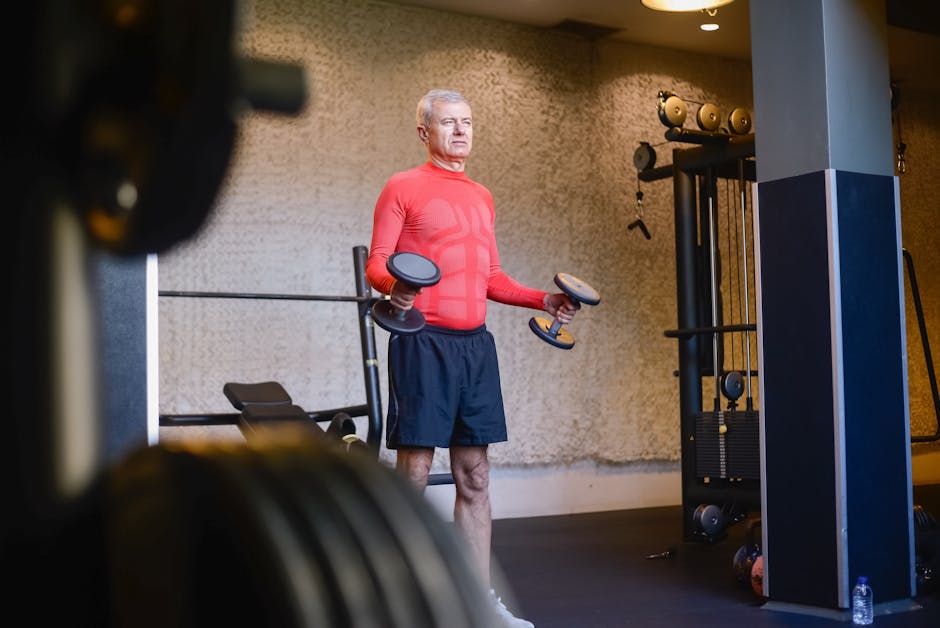
If you are looking for a fitness strategy that prioritizes how you will feel in forty years over how you look in the mirror today, the Longevity Blueprint is the gold standard. This training philosophy shifts the focus from short-term aesthetic gains to long-term functional mobility. By following this approach, you are essentially "backward-designing" your life to ensure that your final decade—your marginal decade—is spent in high-quality health rather than decline.
Our Rating: 4.8/5
The Longevity Blueprint approach is highly effective for those who value independence and vitality in their later years. While it may not satisfy those looking for rapid bodybuilding results, its science-backed focus on biomarkers like grip strength and VO2 max makes it an essential framework for aging gracefully.
Pros and Cons of the Longevity Blueprint Approach
- Pro: Focuses on functional independence and injury prevention.
- Pro: Science-backed metrics (VO2 max, grip strength) predict lower mortality.
- Pro: Highly sustainable for all age groups and fitness levels.
- Pro: Reduces the risk of chronic diseases through metabolic health.
- Con: Lacks the immediate "pump" or aesthetic gratification of traditional bodybuilding.
- Con: Requires significant time investment in low-intensity steady-state (Zone 2) cardio.
- Con: Can be mentally challenging for those used to high-intensity training.
Defining the Centenarian Decathlon
The core of the Longevity Blueprint is a concept known as the "Centenarian Decathlon." Most people train for a specific event—a 5k, a triathlon, or a powerlifting meet. However, the Centenarian Decathlon asks you to define the physical tasks you want to perform when you are 80, 90, or 100 years old. This is the ultimate "backward-design" fitness strategy.
To implement this, you must pick ten physical feats you want to be able to do in your final decade. For many, these include:
- Getting up off the floor unassisted.
- Lifting a 30-pound suitcase into an overhead bin.
- Walking up two flights of stairs without getting winded.
- Picking up a grandchild or great-grandchild from the floor.
- Carrying two bags of groceries for several blocks.
By identifying these goals now, you can calculate the necessary strength and aerobic capacity you need today. Because physical decline is an inevitable part of aging—we lose roughly 1% of our muscle mass and aerobic capacity per year after age 40—you must over-train in your 30s, 40s, and 50s to ensure your "floor" in your 80s is still high enough to maintain independence.
The Critical Biomarkers: Grip Strength and Lower-Body Power

While many people track their weight or bicep size, the Longevity Blueprint emphasizes biomarkers that actually correlate with a longer life. Two of the most critical are grip strength and lower-body power.
Why Grip Strength Matters
Grip strength is not just about having a firm handshake; it is a powerful proxy for total body muscle mass and neurological integrity. Studies have consistently shown that lower grip strength is associated with an increased risk of all-cause mortality, cardiovascular disease, and disability. In the context of the Longevity Blueprint, a strong grip allows you to perform daily tasks and prevents the frailty that often leads to institutionalization.
Practical ways to improve grip strength include:
- Farmer’s Carries: Walking with heavy dumbbells or kettlebells in each hand.
- Dead Hangs: Hanging from a pull-up bar for as long as possible.
- Plate Pinches: Holding weight plates together using only your fingers.
The Power of the Lower Body
As we age, we lose power faster than we lose strength. Strength is the ability to move a load; power is the ability to move that load quickly. This distinction is vital for longevity. If you trip over a rug in your 80s, you don't need the strength to deadlift 400 pounds; you need the power to quickly move your leg to catch yourself. This is the difference between a minor scare and a life-altering hip fracture.
Training for lower-body power involves explosive movements like box jumps (with safe landings), kettlebell swings, or even fast-paced stair climbing. The goal is to keep the fast-twitch muscle fibers active and responsive.
Integrating Balance, Stability, and Zone 2 Cardio
A modern strength-training routine often ignores the connective tissue of longevity: stability and aerobic base. The Longevity Blueprint insists that these are non-negotiable components of your weekly schedule.
The Role of Zone 2 Cardio
Zone 2 cardio is aerobic exercise performed at an intensity where you can still hold a conversation but would prefer not to. This usually falls between 60-70% of your maximum heart rate. Why is this emphasized so heavily? Zone 2 training stimulates mitochondrial health and efficiency.
Mitochondria are the powerhouses of your cells, and their decline is a hallmark of aging and metabolic disease. By spending 150 to 180 minutes a week in Zone 2, you build a massive aerobic base that fuels your daily life and allows you to recover faster from high-intensity efforts.
Stability: The Foundation of Movement
Stability is the ability to transfer force through your body without losing your form or injuring yourself. It involves the foot, the hip, and the core working in unison. Without stability, the strength you build in the gym cannot be applied safely in the real world. Exercises like the "Bird-Dog," single-leg balances, and dead bugs should be staples in any longevity-focused routine.
Longevity Training vs. Traditional Fitness
| Feature | Traditional Fitness | Longevity Blueprint |
|---|---|---|
| Primary Goal | Aesthetics and Weight Loss | Functional Independence |
| Key Metrics | Body Fat %, Muscle Size | VO2 Max, Grip Strength, Power |
| Cardio Focus | High-Intensity (HIIT) | Zone 2 (Aerobic Base) |
| Time Horizon | 12-Week Transformation | The Next 50 Years |
Who is the Longevity Blueprint Best For?
This approach is not for everyone, but it is highly recommended for specific groups:
- The Over-40 Crowd: Those who are starting to feel the first signs of aging and want to take proactive steps.
- Former Athletes: Individuals who want to maintain their physical edge without the high-impact wear and tear of competitive sports.
- Data-Driven Individuals: People who enjoy tracking metrics like VO2 max, heart rate variability (HRV), and strength ratios.
- Anyone Prioritizing Healthspan: If your goal is to live as long as possible with the highest possible quality of life, this is your map.
Final Recommendation: Should You Adopt the Longevity Blueprint?
The Longevity Blueprint is more than just a workout plan; it is a fundamental shift in how we view the human body and the passage of time. While traditional fitness programs focus on how you look in a bathing suit this summer, the Longevity Blueprint focuses on whether you can pick up your great-grandchild or hike a mountain when you are 85.
The data is clear: high cardiorespiratory fitness and muscle mass are the strongest predictors of a long, healthy life. If you are willing to trade some short-term ego-lifting for long-term functional freedom, then the Longevity Blueprint is the best investment you can make in yourself. Start by defining your Centenarian Decathlon today, and begin training for the person you want to be in your 80s.
Frequently Asked Questions
How much Zone 2 cardio do I really need?
Most experts recommend a minimum of 150 minutes per week. This can be broken down into three 50-minute sessions or four 40-minute sessions. The key is consistency over intensity.
Can I still build muscle on this plan?
Absolutely. Resistance training is a pillar of the Longevity Blueprint. However, the goal is functional hypertrophy (muscle that performs) rather than purely cosmetic size.
Is it too late to start if I'm already in my 60s?
It is never too late. In fact, the older you are, the more immediate the benefits of strength and stability training become. You can significantly improve your quality of life at any age by focusing on these principles.