
Are you struggling to find a full hour in your busy schedule to hit the gym? You are not alone. For many professionals and stay-at-home parents, the traditional model of fitness—driving to a facility, working out for sixty minutes, and driving back—is increasingly unsustainable. However, a growing body of physiological research suggests that we might be looking at fitness all wrong. Enter exercise snacking: a scientifically-backed method of breaking up your physical activity into short, manageable, and highly effective bursts throughout the day.
Exercise snacking is more than just a convenience; it is a metabolic powerhouse. By integrating five-minute bouts of movement into your routine, you can significantly improve your cardiovascular health, regulate your blood sugar, and boost your daily caloric expenditure without ever stepping foot in a traditional gym. In this guide, you will learn how to implement these micro-movements to transform your health, one five-minute snack at a time.
Understanding the Science: Why Exercise Snacking Works

To appreciate why exercise snacking is effective, we must first understand the concept of NEAT (Non-Exercise Activity Thermogenesis). NEAT encompasses the energy we expend for everything we do that is not sleeping, eating, or deliberate sports-like exercise. It includes walking to the printer, folding laundry, and even fidgeting. For the average person, NEAT accounts for a much larger portion of daily calorie burn than a single hour of intentional exercise.
When we sit for prolonged periods, our metabolism enters a state of stagnation. Lipoprotein lipase, an enzyme crucial for breaking down fats, drops significantly. By engaging in exercise snacking, you effectively "re-start" your metabolic engine every few hours. This frequent muscle activation triggers the translocation of GLUT4 receptors to the surface of your muscle cells. These receptors act as gates, allowing glucose (blood sugar) to enter the muscles to be used as fuel, even without the presence of high insulin levels. This is why short bursts of movement are so effective at preventing the blood sugar spikes that lead to type 2 diabetes and systemic inflammation.
Prerequisites for Exercise Snacking
Before you begin your first routine, ensure you have the following basics in place:
- A Timer: A smartphone, kitchen timer, or smartwatch to track your 5-minute intervals.
- Comfortable Clothing: While these routines are designed to be done in work clothes, ensure you have a range of motion.
- Hydration: Keep a glass of water nearby to sip after your movement burst.
- Clear Space: A small 5x5 foot area in your office or living room is all you need.
Step 1: Conduct a Daily Schedule Audit
The first step in mastering exercise snacking is identifying the "dead zones" in your day where you are most sedentary. For most people, this occurs in the mid-morning (10:00 AM) and the mid-afternoon (3:00 PM). These are the times when your energy naturally dips and your focus begins to wane.
Look for natural transitions in your day. These might include the minutes immediately following a Zoom call, the time spent waiting for the kettle to boil, or the period right after you finish your lunch. By anchoring your exercise snack to an existing habit—a technique known as "habit stacking"—you ensure that you won't forget to move. Your goal is to identify at least three to five of these windows every single day.
Step 2: Prepare Your Movement Environment

Friction is the enemy of consistency. If you have to change your shoes or move heavy furniture to exercise, you likely won't do it. Prepare your environment so that a snack can happen instantly. In an office setting, this might mean keeping a pair of flat shoes under your desk if you usually wear heels.
If you are working from home, designate a specific corner of the room as your "movement zone." You might keep a light set of dumbbells or a resistance band nearby, though neither is strictly necessary. The psychological cue of seeing your designated space or equipment acts as a visual reminder to get your body moving. Remember, the goal is to make the transition from sitting to moving take less than thirty seconds.
Step 3: Execute the Office-Friendly 'Desk-Bound' Routine
This 5-minute routine is designed to be performed in a professional environment without causing excessive sweating or requiring you to lie on the floor. It focuses on reversing the physical toll of sitting (tight hip flexors and rounded shoulders).
- Minute 1: Desk Push-Ups. Place your hands on the edge of a sturdy desk, slightly wider than shoulder-width. Perform controlled push-ups to engage the chest, triceps, and core.
- Minute 2: Seated Leg Extensions. While sitting tall, straighten one leg at a time, squeezing the quadriceps at the top. This improves circulation in the lower extremities.
- Minute 3: Standing Calf Raises. Stand behind your chair for balance and rise onto your toes. This helps pump blood back up toward the heart, preventing venous pooling.
- Minute 4: Doorway Chest Stretch & Reach. Stand in a doorway and stretch your chest, then reach both arms overhead to reset your posture.
- Minute 5: High Knees (Low Impact). March in place, bringing your knees as high as comfortably possible while pumping your arms.
This routine focuses on cardiovascular health and posture. By the end of these five minutes, your heart rate will be slightly elevated, and your brain will receive a fresh surge of oxygenated blood, improving your cognitive performance for the next hour of work.
Step 4: Execute the High-Intensity 'Home-Work' Routine
If you are working from home or have a more private space, you can increase the intensity. High-intensity exercise snacking has been shown to improve VO2 max (a key marker of longevity) just as effectively as longer, steady-state sessions.
- Minute 1: Air Squats. Perform as many squats as you can with good form, keeping your weight in your heels.
- Minute 2: Mountain Climbers. Get into a plank position and drive your knees toward your chest in a running motion.
- Minute 3: Glute Bridges. Lie on your back and lift your hips toward the ceiling to activate the posterior chain.
- Minute 4: Shadow Boxing. Throw light punches in the air while bouncing on your toes. This is excellent for heart rate elevation.
- Minute 5: Plank Hold. Finish with a 60-second isometric hold to strengthen your core and stabilize your spine.
This routine is specifically designed to maximize glucose regulation. High-intensity muscle contractions are the fastest way to clear excess sugar from your bloodstream, making this an ideal routine to perform about 30 minutes after eating a meal.
Step 5: Monitor Long-Term Health Markers
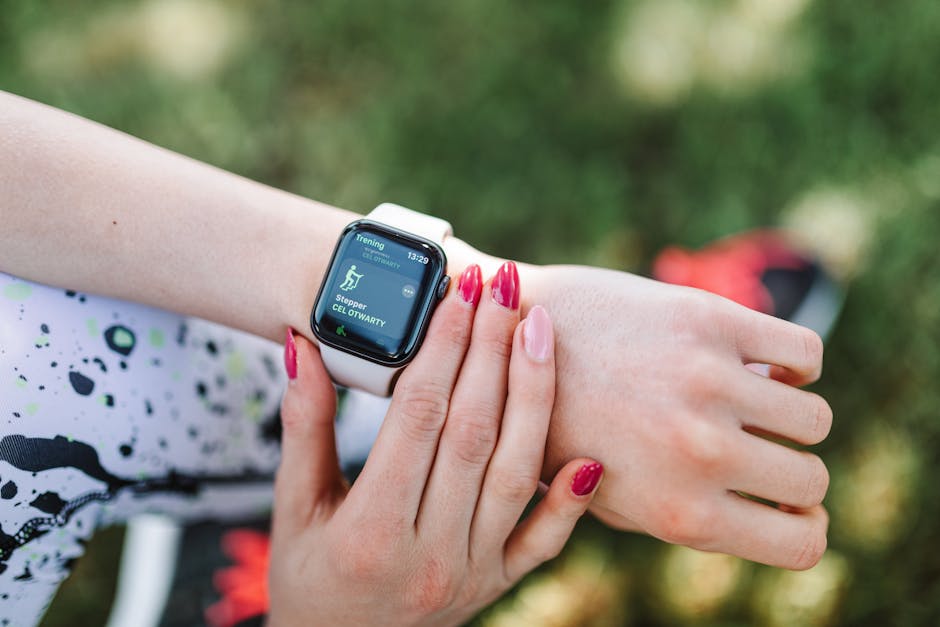
Exercise snacking is not just about burning calories in the moment; it is about changing your long-term health trajectory. To see the impact, you should monitor specific markers over time. Many practitioners find that their fasting blood glucose levels begin to stabilize within just a few weeks of consistent snacking.
Pay attention to your resting heart rate and your energy levels throughout the afternoon. Unlike a grueling 90-minute workout that might leave you exhausted, exercise snacks should leave you feeling energized. If you use a wearable fitness tracker, monitor your "active minutes" and try to ensure they are spread evenly throughout the day rather than clustered in a single block. This distributed activity is the secret to maintaining a high metabolic rate and avoiding the "metabolic slowdown" associated with sedentary jobs.
Troubleshooting and FAQs
What if I start sweating at work?
The goal of an office-based exercise snack is not to reach maximum intensity. Keep your movements controlled and focus on muscle activation rather than speed. If you find yourself getting too warm, stick to the lower-intensity movements like calf raises and stretching. Save the high-intensity bursts for when you are in a temperature-controlled environment or at home.
Is 5 minutes really enough to make a difference?
Yes. Research published in journals like Nature Medicine indicates that even one-minute bursts of vigorous activity can reduce the risk of all-cause mortality. When you stack these five-minute sessions together, you can easily accumulate 25–30 minutes of high-quality movement per day, which meets the standard physical activity guidelines.
Do I need to warm up?
Since these snacks are only five minutes long and generally low-to-moderate intensity, a formal warm-up is not required. However, always spend the first 30 seconds of your snack moving at a slower pace to lubricate your joints before increasing the intensity.
Quick Summary for Success
- Goal: Perform 3-5 "exercise snacks" of 5 minutes each throughout the day.
- Focus: Use NEAT and short bursts to regulate blood sugar and improve cardiovascular health.
- Timing: Aim for mid-morning, post-lunch, and mid-afternoon.
- Variety: Mix strength-based moves (squats) with cardio-based moves (marching/boxing).
- Key Benefit: Improved metabolic flexibility and reduced risk of chronic disease.
By shifting your perspective from "working out" to "moving often," you remove the barriers that keep most people sedentary. Exercise snacking is the ultimate tool for the modern, busy individual to reclaim their health without sacrificing their schedule. Start tomorrow morning: set a timer for 10:00 AM, stand up, and give your body the five-minute snack it deserves.