Building muscle after 40 is a different game than in your 20s. Testosterone and growth hormone naturally decline, recovery slows, and joints become more sensitive. But muscle growth is still absolutely possible—you just need a smarter, evidence-based approach.
This checklist is for anyone over 40 who wants to put on lean mass without injury or frustration. Use it as a weekly guide to structure your training, nutrition, and recovery. When you check off every item consistently, you’ll see measurable strength gains, better body composition, and sustained energy. Let’s get started.
Before You Start
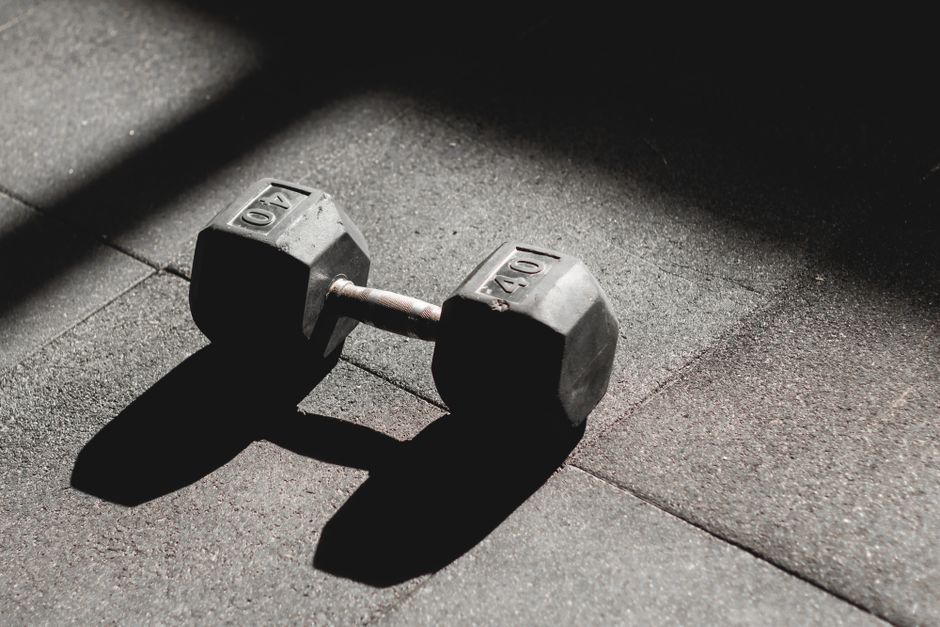
Complete these steps before diving into the checklist. They ensure you’re safe and set up for success.
- Consult a healthcare provider – Get a physical exam, especially if you have joint issues, heart conditions, or are on medication.
- Assess your current fitness level – Know your baseline: how many push-ups, pull-ups, or squats you can do, and your one-rep max on key lifts (if safe).
- Set specific, measurable goals – Instead of “get stronger,” aim for “add 10 pounds to my bench press in 8 weeks.”
- Check your equipment – Ensure you have access to a barbell, squat rack, dumbbells, and a bench. If training at home, confirm your setup is safe.
Understand Your Hormonal Changes
Action: Get your hormone levels tested
Why it matters: After 40, testosterone and growth hormone can drop by 1–2% per year. Low levels make muscle protein synthesis harder. Knowing your numbers helps you decide if you need medical intervention (e.g., TRT) or lifestyle adjustments.
How to verify: Ask your doctor for a blood test covering total and free testosterone, IGF-1, thyroid panel, and vitamin D. Repeat every 6–12 months.
Action: Train heavy compound lifts to stimulate anabolic hormones
Why it matters: Heavy, multi-joint exercises like squats and deadlifts create a larger acute hormonal response than isolation moves. This helps counteract age-related decline.
How to verify: Include at least two compound lifts in every workout (e.g., squat + bench press on push day). Use a weight that allows 5–8 reps with good form.
Prioritize Compound Lifts
Action: Base your program on deadlifts, squats, and bench press
Why it matters: These exercises recruit the most muscle fibers, drive the greatest strength gains, and improve bone density—critical after 40. They also boost metabolism more than isolation exercises.
How to verify: Your weekly schedule should include at least one squat variation, one hinge pattern (deadlift or Romanian deadlift), and one horizontal push (bench press) or pull (pull-up/row).
Action: Add a vertical press and pull for balance
Why it matters: Overhead press and pull-ups target shoulders and lats, preventing muscle imbalances that lead to injury. They also improve posture, which often declines with age.
How to verify: After your main compound lift, do 2–3 sets of overhead press or pull-ups (or lat pulldowns). Track your reps or weight each week.
Optimize Protein Intake

Action: Consume 1.6–2.2 g of protein per kg of body weight daily
Why it matters: Older adults need more protein to overcome “anabolic resistance” – the reduced ability to use amino acids for muscle repair. The higher end of the range is ideal for hard training days.
How to verify: For a 80 kg (176 lb) person, that’s 128–176 g of protein daily. Use a food scale or app to log intake for three days and adjust.
Action: Time protein before and after your workout
Why it matters: Pre-workout protein (20–30 g) provides amino acids during training; post-workout (30–40 g) boosts muscle protein synthesis for up to 24 hours. This is especially important after 40 when muscle repair is slower.
How to verify: Eat a protein-rich meal or shake 60–90 minutes before training, then another within 2 hours after. Example: chicken breast with rice pre-workout, protein shake with milk post-workout.
Manage Recovery and Joint Stress
Action: Rest 90–120 seconds between sets
Why it matters: Longer rest allows full replenishment of ATP and phosphocreatine, letting you lift heavier with better form. Short rests increase injury risk and reduce strength output, especially for older joints.
How to verify: Use a stopwatch or timer app. After each set, rest exactly 90–120 seconds before the next. For compound lifts, aim for 2 minutes.
Action: Schedule a deload week every 4–6 weeks
Why it matters: Deloading reduces volume and intensity by 40–50% for one week, giving connective tissues time to repair. This prevents overuse injuries and plateaus.
How to verify: Mark your calendar. On deload week, cut all sets to 2–3, and use 50–60% of your normal working weight. Record how your joints feel after.
Action: Prioritize sleep (7–9 hours) and stress management
Why it matters: Growth hormone is released primarily during deep sleep. Cortisol from chronic stress breaks down muscle tissue. Both are magnified after 40.
How to verify: Track sleep with a wearable or journal. Aim for 7+ hours of quality sleep. Practice 10 minutes of meditation or deep breathing daily to lower cortisol.
Adjust Training Frequency and Intensity
Action: Train each muscle group 2–3 times per week
Why it matters: More frequent stimulation (e.g., full-body or upper/lower splits) beats once-per-week training for muscle growth in older adults. It also distributes volume across more sessions, reducing joint strain.
How to verify: Choose a program that hits each major muscle group at least twice weekly. Example: Monday (full body), Wednesday (full body), Friday (full body).
Action: Use progressive overload with small, safe increments
Why it matters: Gradually increasing weight or reps is the only way to force adaptation. But after 40, large jumps risk injury. Add 2.5–5 kg (5–10 lb) to lifts every 2–3 weeks, not every session.
How to verify: Keep a training log. If you complete all reps with good form for two consecutive workouts, add weight next session. If you fail, stay at the same weight and try again.
Action: Incorporate low-impact cardio for heart health
Why it matters: Cardiovascular fitness supports recovery and energy. But high-impact cardio (running) can add joint stress. Walking, cycling, or swimming are better choices.
How to verify: Do 20–30 minutes of low-impact cardio 3–4 times per week on rest days or after lifting. Keep intensity moderate (able to talk, but not sing).
Monitor Progress and Adjust
Action: Take progress photos and measurements every 4 weeks
Why it matters: The scale doesn’t tell the whole story – muscle gain and fat loss can happen simultaneously. Photos and tape measurements show real changes.
How to verify: Use the same lighting, pose, and time of day. Measure chest, waist, hips, arms, and thighs. Record in a journal or app.
Action: Track strength numbers and adjust as needed
Why it matters: If you’re not getting stronger, something is off – maybe volume, nutrition, or recovery. Data lets you make informed tweaks.
How to verify: Log your top set weight and reps for each lift. After 4 weeks, if no progress, add 1–2 sets per exercise or increase protein by 10 g.
Next Steps After Completing the Checklist
You’ve gone through the checklist. Now it’s time to act.
- Book a blood test within the next two weeks.
- Write your training program – use the compound lifts, 90–120 second rests, and 2–3x/week frequency.
- Plan your meals – calculate your protein target and prep pre/post-workout options.
- Set a deload reminder – mark week 4 or 5 on your calendar.
- Track everything – use a simple notebook or app for lifts, food, sleep, and measurements.
Check back in 4 weeks. If you’ve followed these steps, you’ll be stronger, leaner, and more resilient. The science is on your side – now make it work for you.