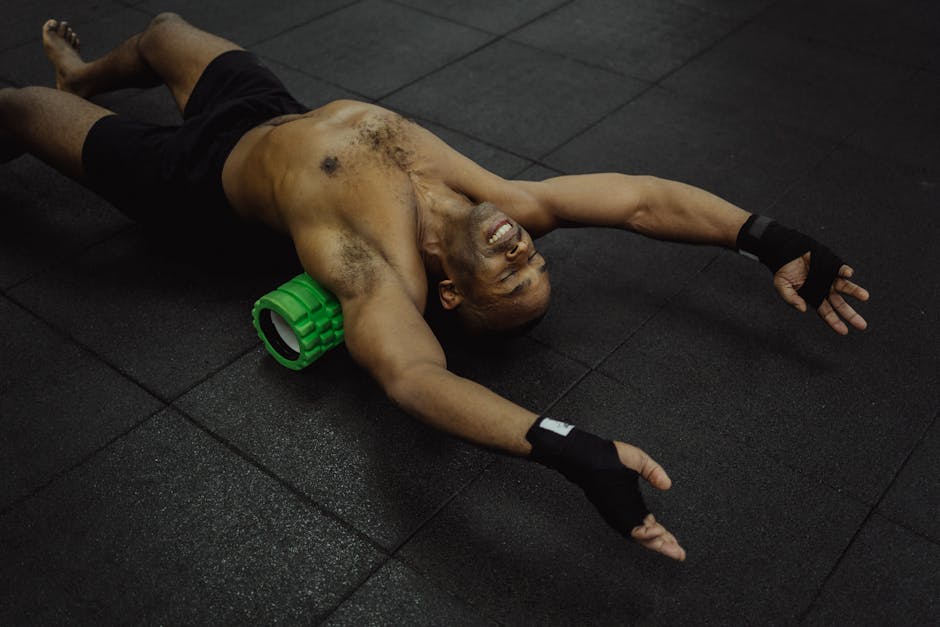
Introduction: The Hidden Engine of Athletic Performance
When we think about peak physical performance, our minds usually drift toward heavy deadlifts, high-intensity interval training, or grueling endurance runs. However, the latest frontier in sports science isn't happening in the weight room; it’s happening in your digestive tract. Understanding the gut-brain axis for fitness is becoming the competitive edge for elite athletes and weekend warriors alike.
To unpack this complex physiological connection, we sat down with Dr. Elena Vance, a renowned researcher in Nutritional Neuroscience and a consultant for professional sports teams. Dr. Vance has spent over a decade studying how the trillions of microbes in our gut influence not just our digestion, but our mental resilience and muscle recovery. In this exclusive interview, we explore how mastering the gut-brain axis for fitness can transform your approach to health.
"The gut is the second brain, but in the context of fitness, it’s often the primary driver of how well you recover and how clearly you think under pressure." — Dr. Elena Vance
The Interview: Beyond the Gym with Dr. Elena Vance
Q: To start, how would you define the gut-brain axis for fitness in simple terms?
Dr. Vance: Think of the gut-brain axis as a high-speed, bidirectional communication superhighway. It’s a complex network consisting of the central nervous system and the enteric nervous system of the gut. When we talk about the gut-brain axis for fitness, we are looking at how the signals sent from your microbiome—the bacteria in your gut—impact your brain's perception of fatigue, your hormonal response to stress, and your body's ability to repair tissues after a workout.
It’s no longer just about calories in and calories out. It’s about how the biological environment of your gut dictates the efficiency of your metabolism and the clarity of your mind during a heavy lifting session or a long-distance run.
Q: You often mention the Vagus nerve. What role does it play in connecting exercise intensity to mental clarity?
Dr. Vance: The Vagus nerve is the physical structure that facilitates this communication. It is the longest cranial nerve in the body, stretching from the brainstem all the way to the abdomen. During high-intensity exercise, the Vagus nerve monitors the physiological stress your body is under.
When your gut is healthy, it sends signals via the Vagus nerve that promote a state of "calm focus." This is why some athletes experience that elusive 'flow state.' Conversely, if your gut is in a state of dysbiosis—meaning it's out of balance—it can send distress signals that increase perceived exertion. This means the same workout feels significantly harder, and your mental clarity suffers because your brain is receiving 'noise' from your digestive system.
Q: How does the diversity of the gut microbiome impact muscle recovery and inflammation?
Dr. Vance: This is where the gut-brain axis for fitness really shows its power. A diverse microbiome is like a well-equipped toolkit. Different bacteria produce different short-chain fatty acids (SCFAs), such as butyrate, which have profound anti-inflammatory effects throughout the entire body.
When you exercise, you create micro-tears in your muscles and induce a temporary state of systemic inflammation. This is a necessary part of growth. However, if inflammation lingers too long, recovery stalls. A diverse gut microbiome helps regulate the immune response, ensuring that inflammation is 'turned off' once its job is done. This speeds up muscle repair and reduces the soreness you feel the next day.
- Butyrate production: Helps in the repair of the intestinal lining, preventing systemic 'leaky gut' inflammation.
- Cytokine regulation: A healthy gut balances pro-inflammatory and anti-inflammatory cytokines.
- Nutrient absorption: Microbiome diversity ensures you actually absorb the amino acids and minerals required for muscle synthesis.
- Oxidative stress reduction: Specific bacterial strains act as internal antioxidants.
Q: Can a healthy gut actually improve mental stamina during endurance events?
Dr. Vance: Absolutely. Most people don't realize that about 95% of the body's serotonin—the neurotransmitter responsible for mood and focus—is produced in the gut. During an endurance event, your brain eventually wants to quit before your muscles do. This is known as central fatigue.
By optimizing the gut-brain axis for fitness, you ensure a steady supply of neurotransmitter precursors. When the gut is functioning optimally, it maintains the integrity of the blood-brain barrier and limits the entry of inflammatory markers that cause brain fog and the 'desire to quit.' Essentially, a healthy gut keeps your 'mental tank' full for longer.
Actionable Strategies to Optimize the Gut-Brain Connection
Q: What are the primary dietary shifts an athlete should make to support this connection?
Dr. Vance: The goal is to move away from the 'sterilized' diet often associated with bodybuilding—chicken, rice, and broccoli every single day—and move toward diversity. Your microbes thrive on variety. Here are three actionable shifts:
- Prioritize Prebiotic Fiber: This is the 'food' for your good bacteria. Foods like garlic, onions, leeks, and slightly under-ripe bananas contain resistant starch that fuels the production of those anti-inflammatory SCFAs I mentioned.
- Incorporate Fermented Foods: Think of these as natural probiotics. Kimchi, sauerkraut, kefir, and kombucha introduce live beneficial strains into your system. This is crucial for maintaining the barrier that prevents exercise-induced gut permeability.
- The 30-Plant Rule: Try to eat 30 different types of plant-based foods per week. This sounds daunting, but it includes herbs, spices, seeds, nuts, and different colored vegetables. Diversity in your diet equals diversity in your gut.
Q: Is there a specific timing for these nutrients around workouts?
Dr. Vance: Great question. You want to avoid high-fiber or fermented foods immediately before or during a workout, as they can cause GI distress when blood is diverted away from the gut to the muscles. The best time to focus on the gut-brain axis for fitness is in your recovery meals and your general daily nutrition. Post-workout, focus on easily digestible proteins and carbohydrates, then reintroduce your 'gut-health' foods in the evening or the following morning.
Q: How do stress and sleep factor into this equation?
Dr. Vance: It is a two-way street. High cortisol levels from lack of sleep or chronic life stress can actually 'melt' the gut lining, leading to dysbiosis. You can eat all the sauerkraut in the world, but if you aren't sleeping, your gut-brain axis will remain compromised. Recovery is a holistic process. The gut-brain axis for fitness requires a parasympathetic state—the 'rest and digest' mode—to truly thrive.
"You aren't just what you eat; you are what you can absorb and how well your microbes signal your brain to perform." — Dr. Elena Vance
Future Trends in Sports Nutrition
Q: Where do you see the field of gut-health in sports heading in the next five years?
Dr. Vance: We are moving toward personalized postbiotics. Instead of just taking a generic probiotic, athletes will have their microbiome mapped to see exactly which strains they are missing. We will then supplement with the specific metabolites—postbiotics—that those bacteria would have produced. This will allow for hyper-targeted recovery protocols and specialized mental performance plans based on an individual's unique gut-brain axis for fitness profile.
Q: Any final piece of advice for our readers?
Dr. Vance: Stop viewing your gut as just a tube for processing calories. View it as a sophisticated sensory organ. When you nourish your microbiome, you are essentially nourishing your brain's ability to drive your body harder. The next time you feel a 'gut feeling' that you can push through one more rep, remember that it might literally be your microbiome talking to your brain.
Key Takeaways for Your Fitness Journey
- The Vagus Nerve Connection: This nerve acts as the communication line between your digestive state and your mental focus during exercise.
- Microbiome Diversity: A wider variety of gut bacteria leads to better inflammation control and faster muscle recovery times.
- Dietary Diversity: Aim for 30 different plant-based foods a week to feed a wide array of beneficial microbes.
- Holistic Recovery: Sleep and stress management are just as important for gut health as nutrition is.
- Mental Stamina: Serotonin and other neurotransmitters produced in the gut play a vital role in overcoming central fatigue.
About the Expert
Dr. Elena Vance holds a PhD in Nutritional Neuroscience and is a leading researcher in the field of the gut-brain axis for fitness. She has authored over 40 peer-reviewed papers and serves as a consultant for several Olympic training centers. When she isn't in the lab, she is an avid ultra-marathoner and a proponent of 'dirt-to-table' living. You can find more of her work at TheVanceInstitute.com or follow her on social media @DrElenaVance.
Disclaimer: The information provided in this interview is for educational purposes only and should not replace professional medical advice. Always consult with a healthcare provider before making significant changes to your diet or exercise routine.