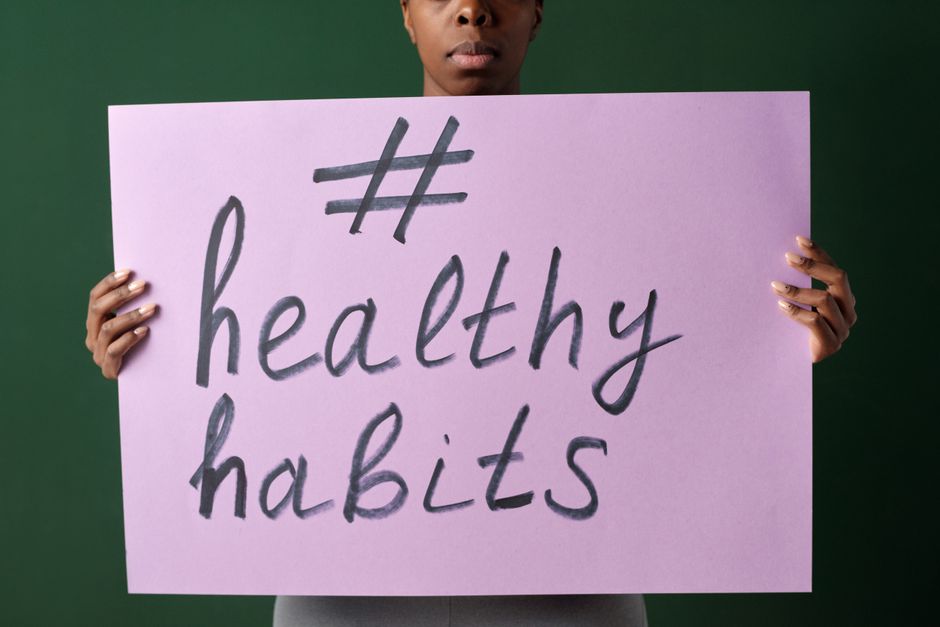
We have all been there before. You wake up on a Monday morning, fueled by a sudden burst of energy and a brand-new New Year's resolution. You hit the gym, prep your kale salads, and feel invincible. But by Thursday, the soreness kicks in, work gets stressful, and that initial spark vanishes. This is the classic "motivation trap." If you want to achieve sustainable health, you must pivot your focus toward building fitness habits rather than relying on fleeting feelings.
Motivation is like a fair-weather friend; it is there when things are easy but disappears when life gets hard. Habits, on the other hand, are the automated systems of the brain. When you shift from a willpower-based approach to an identity-based system, you stop fighting yourself and start living a lifestyle that supports your goals naturally. This checklist is designed to help you bridge the gap between short-term effort and long-term transformation.
Before You Start: Assessing Your Current Mindset

Before diving into the tactical changes, it is essential to perform an honest internal audit. Sustainable fitness is 20% mechanics and 80% psychology. If your "why" is rooted in self-loathing or temporary external pressure (like a wedding or a beach vacation), your habits will likely crumble once that pressure is removed.
Take a moment to consider your current relationship with exercise. Do you view it as a punishment for what you ate, or a celebration of what your body can do? Transitioning to a habit-first lifestyle requires you to value consistency over intensity. It is better to walk for ten minutes every day than to run five miles once a month. Prepare your mind for a slow, steady, and permanent burn.
[ ] Recognize and Escape the Motivation Trap
The first step in your journey is acknowledging that motivation is a biological resource that depletes. When you rely on "feeling like it," you are at the mercy of your hormones, sleep quality, and stress levels. To build lasting fitness habits, you must decouple your actions from your emotions.
Stop Waiting for the "Perfect" Moment
Many people delay their fitness journey because they are waiting for a time when they have less stress, more money, or better weather. This is a form of procrastination. The "perfect" moment does not exist. By checking this item off, you agree to start where you are, with what you have, regardless of how motivated you feel.
Lower the Barrier to Entry
When motivation is high, we set massive goals. When it is low, those goals feel impossible. To build a habit, make the task so small that it is "stupid" to say no. Instead of committing to an hour at the gym, commit to putting on your workout shoes and standing outside for five minutes. Most of the time, once you start, you will continue. If you don't, you still maintained the habit of showing up.
Understand the Willpower Gap
Willpower is governed by the prefrontal cortex, a part of the brain that tires easily. By the end of a long workday, your willpower is spent. Do not rely on it to make healthy choices in the evening. Instead, automate your decisions early in the day so that you don't have to "decide" to be healthy when you are exhausted.
[ ] Shift to Identity-Based Fitness Habits
Most people focus on outcomes (losing 20 pounds) or processes (running three times a week). While these are important, the most effective way to change behavior is to focus on identity. This involves changing your self-perception so that your actions become a reflection of who you are, not just something you are trying to do.
Adopt the "I Am" Mentality
Instead of saying "I am trying to lose weight," say "I am the type of person who never misses a workout." When you view yourself as an athlete or a health-conscious individual, your choices become easier. An athlete doesn't debate whether to exercise; they simply do it because it is part of their identity. Start using language that reinforces the person you want to become.
Focus on Small Wins as Evidence
Every action you take is a vote for the type of person you wish to become. You don't need a six-pack to call yourself a fitness enthusiast. Every time you choose a glass of water over a soda, you are casting a vote for your new identity. Collect these small wins daily. Over time, the weight of evidence will shift your self-belief, making your fitness habits feel like second nature.
Eliminate the "All-or-Nothing" Mindset
Identity is not about perfection; it is about average consistency. If a professional musician misses one day of practice, they are still a musician. Similarly, if you miss one workout, you haven't "failed." You simply get back to your identity-aligned behavior at the next opportunity. People with identity-based habits don't let a single slip-up turn into a slide.
[ ] Optimize Your Environment for Success

Environment is the invisible hand that shapes human behavior. We often think we lack discipline when, in reality, we are just living in an environment that makes healthy choices difficult. By tweaking your surroundings, you can make your fitness habits the path of least resistance.
Reduce Friction for Positive Behaviors
Friction is the distance between you and the habit you want to perform. If you want to work out in the morning, lay your clothes out the night before and put your sneakers by the bed. If you want to eat more fruit, put a bowl of apples on the counter instead of hiding them in the crisper drawer. The fewer steps there are between you and the action, the more likely you are to do it.
Increase Friction for Negative Behaviors
Conversely, make it harder to engage in habits that move you away from your goals. If you find yourself mindlessly snacking on junk food, don't keep it in the house. If you spend too much time on your phone instead of exercising, leave your charger in another room. By adding just 20 seconds of extra effort to a bad habit, you significantly decrease the likelihood of doing it.
Designate Activity Zones
Our brains associate specific spaces with specific behaviors. If you try to work out in the same spot where you watch TV, your brain will feel a pull toward relaxation. Create a dedicated space for your health routines, even if it is just a specific corner of a room with a yoga mat. When you enter that zone, your brain will receive a physical cue that it is time to focus on your fitness habits.
[ ] Utilize Habit Stacking and Cues
New habits are easier to form when they are anchored to existing ones. This is known as "habit stacking." By identifying a current daily routine and "stacking" your new fitness goal on top of it, you take advantage of the neural pathways already established in your brain.
Identify Your Anchor Habits
Think about things you do every single day without fail: brushing your teeth, making coffee, checking the mail, or taking a shower. These are your anchors. They are the perfect foundation for building new fitness habits because they are already automated.
Create "After [Anchor], I Will [Habit]" Formulas
Use this simple formula to build your stack. For example: "After I pour my morning coffee, I will do 10 air squats." Or, "After I close my laptop for the day, I will immediately put on my walking shoes." This removes the need for decision-making. The anchor serves as the trigger, and the habit follows automatically.
Visual Cues and Reminders
The human brain is highly visual. Use visual triggers to remind yourself of your intentions. A gym bag by the front door, a water bottle on your desk, or a habit tracker on the refrigerator all serve as external cues. These cues keep your goals "top of mind" so they don't get lost in the shuffle of a busy day.
[ ] Monitor Systems Instead of Just Goals
Goals are about the results you want to achieve. Systems are about the processes that lead to those results. If you focus only on the goal (e.g., losing 10 pounds), you may feel discouraged if the scale doesn't move quickly. If you focus on the system (e.g., walking 10,000 steps a day), you can feel successful every single day.
Track Your Consistency
Use a simple calendar or a habit-tracking app to mark off the days you successfully complete your routine. The goal is to "not break the chain." Seeing a visual representation of your progress provides a hit of dopamine, which reinforces the habit loop and makes you want to continue.
Perform Weekly Reviews
At the end of each week, take five minutes to assess what worked and what didn't. Did you miss a workout? Why? Was the environment the problem, or was the task too big? Adjust your system accordingly. This iterative process allows you to refine your fitness habits until they fit perfectly into your life.
Celebrate the Process, Not Just the Result
Give yourself credit for the act of showing up. If your goal was to go to the gym and you only stayed for 15 minutes because you were tired, celebrate that you showed up anyway. This reinforces the behavior of "being a person who exercises," which is far more valuable for long-term health than any single high-intensity workout.
Downloadable Fitness Habits Checklist
To help you stay on track, we have created a printable version of this checklist. You can post it on your fridge or keep it in your gym bag to remind you of the psychological shifts needed for permanent change. Remember, the goal is not perfection—it is progress. By focusing on systems, identity, and environment, you are building a foundation for health that will last a lifetime.
"You do not rise to the level of your goals. You fall to the level of your systems." — James Clear
Conclusion: The Path to Sustainable Health
Building fitness habits is not about a sudden overhaul of your entire life. It is about making small, strategic shifts in how you think and how you interact with your environment. Motivation might get you started, but it is your habits that will carry you across the finish line years from now. By shifting your identity, designing your surroundings, and focusing on consistency over intensity, you can escape the cycle of "starting over" and finally achieve the health you deserve.
Stop waiting for the feeling of motivation to strike. Instead, start casting votes for the person you want to become. One small habit at a time, you are transforming your life. Which habit will you start today?