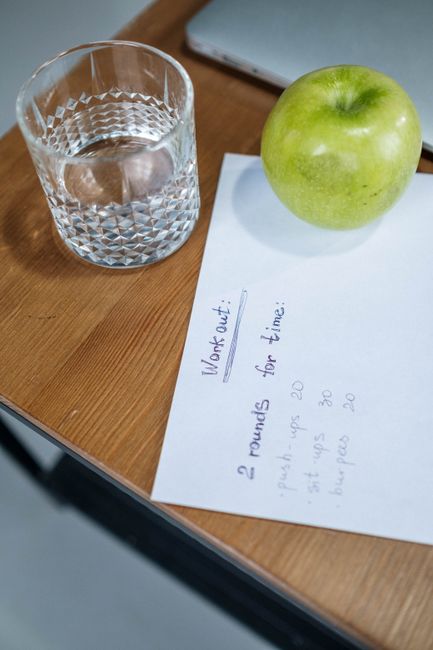
If you're struggling to find 60 minutes for the gym, exercise snacks might be the solution you've been looking for. These short, intense bursts of activity—typically lasting 1 to 5 minutes—can deliver significant health benefits, including improved blood sugar control and cardiovascular fitness, often with better adherence than traditional long workouts. In this FAQ, we compare the science behind exercise snacks and hour-long sessions, examine recent research, and give you a practical framework to start using them today.
Quick Takeaways
- Exercise snacks are brief (1–5 minutes) activity breaks performed throughout the day, often with minimal equipment.
- Research shows they can improve blood sugar regulation, reduce sedentary time, and boost heart health similarly to or better than longer workouts for some people.
- A 2022 study found that 3 x 20-second stair climbs improved fitness almost as much as 30 minutes of steady-state cardio.
- Exercise snacks boost adherence because they fit easily into a busy schedule and require no commute or changing clothes.
- Use our 3-step framework: choose your snack, set a timer, and repeat 3–5 times daily.
What are exercise snacks?
Exercise snacks are short, intentional bursts of physical activity—typically lasting 1 to 5 minutes—that you sprinkle throughout your day. Unlike a formal workout, you don't need to change into gym clothes, drive to a fitness center, or block out a full hour. The term was popularized by researchers studying how brief, repeated bouts of exercise can improve metabolic health. For example, a 2022 study in the Journal of Applied Physiology defined exercise snacks as “isolated bouts of vigorous exercise performed as single efforts or brief sets interspersed throughout the day.”
Common examples include climbing a few flights of stairs, doing a set of squats, jumping jacks, or brisk walking up a hill. The intensity is usually high—think 8 out of 10 on effort—but the duration is short enough that you can recover quickly and get back to work.
How do exercise snacks compare to traditional workouts?
Traditional workouts—like a 30-minute jog, a 45-minute spin class, or an hour-long resistance training session—offer well-established benefits for endurance, strength, and mental health. Exercise snacks, however, focus on breaking up sedentary time and providing quick metabolic spikes. The key difference is frequency versus duration. While a traditional workout may elevate your heart rate for 30–60 minutes continuously, exercise snacks create multiple smaller peaks throughout the day.
For busy professionals, parents, or anyone with a packed schedule, exercise snacks often lead to better adherence because they are easier to fit in. A 2020 survey in the International Journal of Behavioral Nutrition and Physical Activity found that lack of time is the most common barrier to exercise. Exercise snacks remove that barrier by requiring only 1–5 minutes at a time.
What does the science say about exercise snacks for blood sugar control?
Multiple studies show that short, frequent activity breaks can significantly improve post-meal blood sugar levels. For instance, a 2018 study in the American Journal of Physiology-Endocrinology and Metabolism found that 3-minute bouts of brisk walking every 30 minutes after a meal reduced blood sugar spikes by nearly 30% compared to sitting continuously. The mechanism is that muscle contractions during exercise snacks increase glucose uptake without requiring a large insulin response, which is especially beneficial for people with insulin resistance or type 2 diabetes.
Another study in Diabetologia (2019) reported that 6 x 1-minute stair climbing sessions over 3 hours improved glycemic control more than a single 30-minute walk. The key is the frequency of muscle activation, which keeps glucose transporters (GLUT4) active throughout the day.
Is stair climbing as effective as 30 minutes of cardio?
A landmark 2022 study published in the Journal of Applied Physiology directly compared three 20-second stair-climbing sprints (total exercise time: 1 minute) with 30 minutes of steady-state treadmill walking. After 6 weeks, both groups showed similar improvements in cardiorespiratory fitness (VO₂max) and leg strength. The exercise snack group also reported greater time efficiency and enjoyment. This suggests that for fitness gains, short, vigorous efforts can be just as effective as moderate-duration cardio, especially for people who are time-pressed.
However, it's important to note that the exercise snack group did three sprints, each separated by 1–2 hours of rest. The total weekly time commitment was about 15 minutes, compared to 150 minutes for the steady-state group. That’s a massive time savings without sacrificing results.
Can exercise snacks improve cardiovascular health?
Yes, the evidence is strong. A 2021 meta-analysis in the British Journal of Sports Medicine reviewed 15 studies and concluded that brief, vigorous intermittent exercise (including exercise snacks) significantly improved VO₂max, blood pressure, and endothelial function. The improvements were comparable to traditional moderate-intensity continuous training, but with less total time spent exercising.
For example, a 2020 study in Medicine & Science in Sports & Exercise had participants perform 4 x 4-minute stair climbing at high intensity three times per week. After 8 weeks, their systolic blood pressure dropped by an average of 5 mmHg, similar to the reduction seen with 30-minute moderate sessions. The researchers credited the repeated high-intensity efforts for stimulating vascular adaptations and improving arterial elasticity.
How do exercise snacks affect metabolism?
Exercise snacks create a metabolic boost that lasts for hours after each bout. Because they are short and intense, they rely on anaerobic energy pathways, which increase post-exercise oxygen consumption (EPOC) and elevate resting metabolic rate for up to 24 hours. A 2019 study in the Journal of Clinical Endocrinology & Metabolism found that 2-minute high-intensity intervals performed 5 times per day increased fat oxidation (fat burning) by 50% over 24 hours compared to a single 30-minute moderate workout.
Additionally, the frequent muscle contractions enhance mitochondrial biogenesis—the creation of new energy-producing mitochondria in your cells—which improves overall metabolic efficiency. This is particularly beneficial for weight management and long-term metabolic health.
How can I start using exercise snacks today?
Starting is simple and requires no equipment. Here’s a 3-step framework to implement exercise snacks immediately:
- Step 1: Choose your snack. Pick an activity you can do anywhere—stair climbing, jumping jacks, burpees, squat jumps, or high knees. Aim for something that gets your heart rate up quickly.
- Step 2: Set a timer. Perform the activity for 1–2 minutes at high intensity (8/10 effort). Then rest for 1–2 minutes. Repeat 1–3 times in a row. That’s one snack session.
- Step 3: Spread them out. Aim for 3–5 snack sessions spread throughout your day. For example, one after breakfast, one before lunch, one mid-afternoon, and one after dinner. Consistency matters more than perfection.
What are some examples of exercise snacks?
Here are five exercise snacks you can do in under 5 minutes:
- Stair sprints: Run up and down a flight of stairs for 60 seconds. Repeat 3 times with 30 seconds rest.
- Bodyweight squat jumps: Do 20 squat jumps as fast as possible. Rest 30 seconds, then repeat twice.
- High knees and butt kicks: Alternate for 2 minutes, trying to increase speed.
- Burpee ladders: Do 10 burpees, rest 30 seconds, then 9, 8, 7… down to 1.
- Jumping rope (real or imaginary): Jump for 90 seconds, rest 30 seconds, repeat 2 times.
When is the best time to do exercise snacks?
The best time is any time you’ve been sitting for 30–60 minutes. Research shows that breaking up sedentary time after meals is especially effective for blood sugar control. Aim for a snack 30 minutes after eating breakfast, lunch, and dinner. Also, use them as a mid-morning and mid-afternoon energy boost. The key is to make them a habit—set a recurring alarm on your phone or use a fitness tracker that reminds you to move.
Are exercise snacks suitable for everyone?
Most people can safely perform exercise snacks, but there are caveats. If you have a chronic condition like heart disease, joint problems, or are new to exercise, start with lower intensity (e.g., brisk walking instead of sprinting). Gradually increase intensity as your fitness improves. Pregnant women should consult their healthcare provider before starting high-intensity intervals. Also, exercise snacks are not a substitute for strength training that builds bone density and muscle mass—you may still need resistance training 2–3 days per week.
Can exercise snacks replace all my workouts?
Not entirely. While exercise snacks are excellent for cardiovascular fitness, metabolic health, and breaking up sedentary time, they don’t provide the same level of muscular endurance, bone density, or flexibility training as a well-rounded program. For optimal health, combine exercise snacks with two to three strength training sessions per week and some mobility work. Think of exercise snacks as a complement, not a complete replacement. They can be the foundation of your daily movement, especially if you’re time-crunched, but you’ll still benefit from longer sessions when you can manage them.
How often should I do exercise snacks?
For metabolic benefits, aim for at least 3 snack sessions per day, each containing 1–3 minutes of activity. For cardiovascular fitness, 5–6 sessions per day (totaling 15–30 minutes of intense effort) can yield significant improvements. A 2022 review in Current Sports Medicine Reports suggested that 2–4 minutes of vigorous exercise accumulated throughout the day, 5–7 days per week, is enough to meet or exceed physical activity guidelines. Listen to your body—if you feel overly fatigued, reduce frequency or intensity.
Related questions
- How long should an exercise snack be? Most studies use 1–5 minutes. Shorter (1–2 minutes) is better for high intensity; longer (3–5 minutes) is good for moderate intensity.
- Do exercise snacks count as exercise? Yes, they count toward your weekly physical activity minutes. The 2020 Physical Activity Guidelines for Americans allow accumulating activity in short bouts.
- What if I can’t do high-intensity? You can still benefit from low- to moderate-intensity snacks like brisk walking, calf raises, or gentle stretching. The key is to move frequently.
- Can I do exercise snacks at work? Absolutely. Try walking the stairs in your office building, doing desk push-ups, or taking a quick walk around the block.