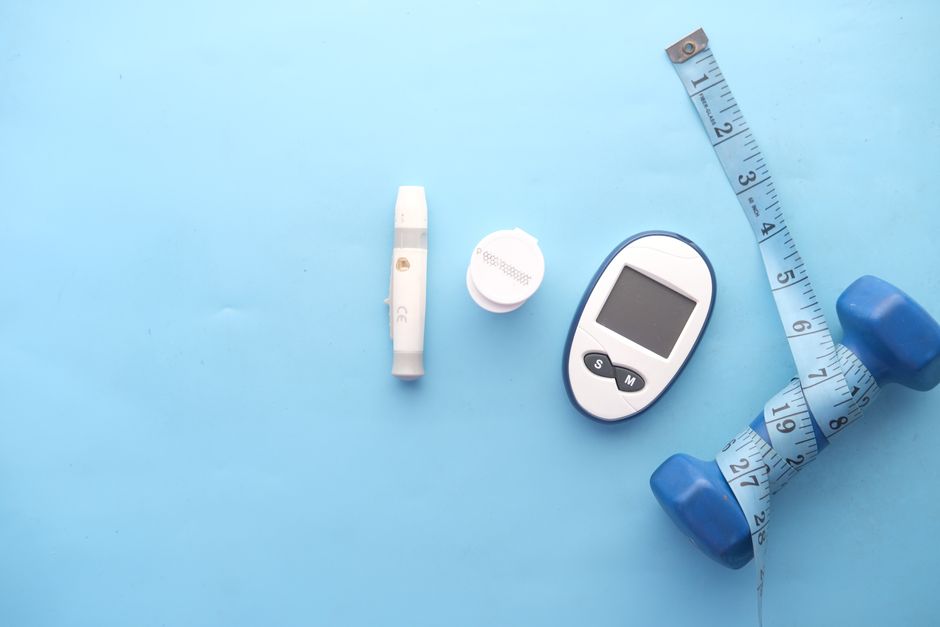
Exercise snacks — brief, vigorous bursts of movement lasting about five minutes — are emerging as a powerful tool for lowering blood sugar and improving insulin sensitivity, according to a growing body of research. The findings challenge the long-standing all-or-nothing mindset that only 30- to 60-minute workouts deliver metabolic benefits. For people looking to manage post-meal glucose spikes without a gym, these short bouts offer a practical, evidence-backed alternative.
Key Takeaways
- Exercise snacks are short (1–5 minute) bouts of vigorous movement, distinct from traditional HIIT sessions.
- Research shows that moving after meals can reduce blood glucose spikes and improve insulin sensitivity.
- Five simple routines require no equipment and fit into daily routines.
- Beginners, people with diabetes, and those with joint or heart conditions should take precautions.
What Are Exercise Snacks and How Do They Differ From HIIT?
Exercise snacks are brief, isolated bouts of physical activity — typically lasting 1 to 5 minutes — performed throughout the day. They are not structured HIIT workouts, which involve repeated high-intensity intervals over 20–30 minutes. Instead, exercise snacks are opportunistic: a quick set of squats after a meal, a brisk stair climb, or a 5-minute march while waiting for the kettle to boil.
The key is intensity. You should feel breathless but able to speak in short sentences. Unlike HIIT, which often requires a dedicated time block and equipment, exercise snacks are designed to be squeezed into daily life. They can be vigorous, but they are not maximal sprints. Think of them as movement vitamins: small, frequent doses that add up.
This approach directly challenges the common belief that if you cannot do a full workout, it is not worth doing anything. That all-or-nothing mindset leaves many people sedentary. Exercise snacks offer a way out.
The Science: How 5-Minute Bouts Lower Blood Sugar
Multiple clinical trials have examined the effect of short, post-meal movement on glycemic control. Research reviews have concluded that breaking up sedentary time with brief bouts of activity significantly reduces postprandial glucose levels compared with uninterrupted sitting. The effect is most pronounced when the activity is performed 15–30 minutes after eating, when blood sugar typically peaks.
One commonly cited finding is that three 1-minute bouts of vigorous stair climbing performed before meals improved blood sugar control over six weeks in young adults. Another trial reported that 10 minutes of walking after each meal lowered 24-hour glucose levels more effectively than a single 30-minute walk at any time of day. Studies have found reductions in post-meal glucose spikes of 10–30% when short bouts of movement are performed after meals.
What explains the benefit? Skeletal muscle is the largest consumer of glucose in the body. During exercise, muscle contractions trigger GLUT-4 transporters to move to the cell surface, allowing glucose to enter without requiring insulin. This insulin-independent glucose uptake is why even short bouts of movement can blunt post-meal spikes. Repeated exercise snacks also enhance insulin sensitivity for hours afterward.
For people with type 2 diabetes, the implications are significant. Research in this population has shown that short, frequent activity breaks can be as effective as a single longer session at improving glucose control. The takeaway: frequency and timing may matter more than duration.
5 Practical 5-Minute Exercise Snack Routines (No Gym Needed)
These routines are designed to be done immediately after a meal. Choose one, set a timer for 5 minutes, and move continuously. Modify as needed.
1. Post-Meal March and Squat
- March in place for 1 minute.
- 10 bodyweight squats (use a chair for support if needed).
- Repeat the sequence for 5 minutes.
This routine engages large leg muscles, which are the biggest glucose sinks in the body.
2. Chair-Based Strength Snack
- Sit-to-stands: 10 reps.
- Seated leg extensions: 10 per leg.
- Seated arm circles: 30 seconds.
- Repeat for 5 minutes.
Ideal for those with balance concerns or limited mobility. Keep your back straight and move at a controlled pace.
3. Stair Climb Intervals
- Walk up and down a flight of stairs at a brisk pace for 1 minute.
- Rest for 30 seconds.
- Repeat 3–4 times, totaling 5 minutes.
No stairs? Use a single step or a sturdy box. This is one of the most potent exercise snacks for glucose control.
4. Wall Push-Up and Step Jack Combo
- 10 wall push-ups.
- 20 step jacks (alternating legs out and in).
- Repeat for 5 minutes.
This combo works upper and lower body while keeping impact low.
5. Living Room Dance or Shadow Boxing
- Put on a fast song.
- Dance or shadow box continuously for 5 minutes.
- Focus on large arm movements and quick footwork.
Choose this if you want something fun and mentally engaging. Intensity should feel moderate to vigorous.
Caveats: Who Should Be Careful?
Beginners
Start with 1–2 minutes and gradually build to 5. Focus on consistency over intensity. If you have been sedentary, consult a doctor before starting vigorous exercise. Even light movement after meals is better than none.
People with Diabetes
Exercise snacks can lower blood sugar, but they can also cause hypoglycemia if you take insulin or sulfonylureas. Check your blood sugar before and after, and carry fast-acting carbs. Work with your healthcare team to adjust medication timing. Do not change your medication regimen without professional guidance.
Joint or Heart Conditions
High-impact moves like jump squats or stair sprints may stress knees, hips, or the heart. Choose low-impact options like chair-based exercises or walking. If you have heart disease, get clearance from your cardiologist. Stop immediately if you feel chest pain, dizziness, or shortness of breath.
Why It Matters and What to Watch Next
The shift toward exercise snacks reflects a broader recognition that small bouts of movement accumulate. For millions of people who struggle to find 30–60 minutes for exercise, this is a game-changer. It also fits modern sedentary lifestyles: instead of sitting for hours after a meal, you can break up the time with brief, purposeful movement.
What to watch next: Researchers are now studying whether exercise snacks can replace some diabetes medications, and how they compare to traditional exercise programs for long-term outcomes. Wearable technology may soon prompt users to take movement snacks based on real-time glucose data.
Frequently Asked Questions About Exercise Snacks
How soon after a meal should I do an exercise snack?
Aim for 15–30 minutes after eating, when blood sugar typically peaks. Even a 5-minute walk or set of squats can blunt the spike.
Can exercise snacks replace longer workouts?
For blood sugar control, they can be highly effective. However, for cardiovascular fitness, strength, and overall health, a mix of longer sessions and snacks is ideal. Think of exercise snacks as a supplement, not a complete replacement.
How many exercise snacks should I do per day?
Start with one after your largest meal. Research suggests three per day — after each meal — may offer the greatest benefit for glucose control.
The Bottom Line
Exercise snacks offer a simple, science-backed way to manage blood sugar without disrupting your day. Start with one 5-minute routine after dinner tonight. Your muscles — and your metabolism — will thank you.