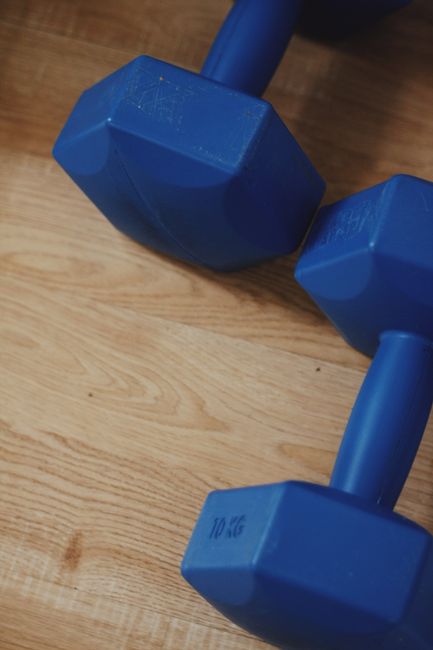
Introduction to Exercise Snacking

For decades, the fitness industry has convinced us that unless we spend sixty minutes in a gym, our efforts are wasted. However, recent scientific breakthroughs are challenging this notion. Exercise snacking—the practice of integrating short, vigorous bursts of physical activity throughout the day—is emerging as a powerful tool for health and longevity. Whether you are a busy executive, a stay-at-home parent, or someone who simply dislikes long workouts, exercise snacking offers a science-backed method to improve your fitness without a gym membership.
In this tutorial, we will explore the physiology behind these short bursts and provide you with a practical framework to identify movement opportunities in your schedule. By the end of this guide, you will have the tools to maintain your metabolic health and cardiovascular fitness in less time than it takes to brew a pot of coffee.
Learning Objectives
By following this tutorial, you will be able to:
- Understand the physiological mechanisms of exercise snacking and its impact on metabolic health.
- Conduct a daily "movement audit" to identify time gaps for physical activity.
- Perform three distinct 5-minute routines focused on strength, mobility, and cardiovascular health.
- Implement a sustainable schedule that integrates these "snacks" into a high-pressure workday.
- Modify exercises to suit your current fitness level and environment.
The Science of Exercise Snacking: Why It Works
The term "exercise snacking" might sound like a fitness fad, but it is rooted in robust physiological research. The primary goal of these short bursts is to disrupt sedentary behavior, which is a known risk factor for cardiovascular disease and Type 2 diabetes. When we sit for prolonged periods, our muscle activity drops, and our body’s ability to manage blood sugar becomes less efficient.
Metabolic Health and Glucose Regulation
One of the most significant benefits of exercise snacking is its effect on postprandial glucose levels (the amount of sugar in your blood after eating). Research published in journals like Diabetologia suggests that performing brief intervals of high-intensity movement before or after meals is more effective at controlling blood sugar spikes than a single 30-minute continuous walk.
This happens because intense movement triggers the translocation of GLUT4, a protein that acts as a glucose transporter. Essentially, exercise snacking "unlocks" your muscle cells, allowing them to suck up sugar from the bloodstream without requiring high levels of insulin. For anyone concerned with metabolic syndrome or weight management, this is a game-changer.
Cardiovascular Adaptations
You might wonder if five minutes is enough to help your heart. The answer lies in intensity. Short, vigorous bursts—such as sprinting up a flight of stairs—increase your heart rate rapidly. This stimulates mitochondrial biogenesis, the process by which your cells create more energy-producing mitochondria. Over time, these snacks can improve your VO2 max, a key indicator of cardiovascular longevity, at a rate comparable to traditional endurance training.
A Framework for Identifying 'Movement Gaps'
The biggest hurdle to fitness is often the perceived lack of time. To master exercise snacking, you must learn to identify "movement gaps." A movement gap is any period of 2 to 10 minutes where you are typically sedentary or performing a low-cognition task. Here is a framework to audit your workday:
Step 1: The Transition Audit
Look at the transitions in your day. These are the moments between tasks. Common transitions include:
- The time spent waiting for a virtual meeting to start.
- The period between finishing a meal and returning to work.
- The commute transition (even if you work from home, the transition from "sleep mode" to "work mode").
- The "microwave gap" while waiting for food to heat up.
Step 2: The Environmental Scan
Evaluate your physical surroundings. Do you have access to a staircase? Is there enough floor space for a plank? Can you use your desk for incline push-ups? Identifying these "stations" in advance removes the friction of deciding what to do when a gap opens up.
Pro Tip: Keep a pair of comfortable shoes or a yoga mat visible in your workspace. This visual cue serves as a reminder to take your exercise snack when the opportunity arises.
Tutorial: Three Sample 5-Minute Exercise Snack Routines
To ensure you are targeting all aspects of fitness, we have designed three specific routines. You can perform one per day or spread all three throughout a single day for a total of 15 minutes of high-impact movement.
1. The Strength Snack (Upper & Lower Body Focus)
This routine focuses on muscle activation and maintaining lean muscle mass. No equipment is required.
- Bodyweight Squats (1 Minute): Stand with feet shoulder-width apart. Lower your hips as if sitting in a chair, keeping your chest up. Perform as many as you can with good form.
- Incline Push-Ups (1 Minute): Place your hands on the edge of a sturdy desk or table. Lower your chest toward the surface and push back up. This is easier than floor push-ups and perfect for an office setting.
- Reverse Lunges (1 Minute): Step back with one leg, lowering your back knee toward the ground. Alternate legs. This builds balance and glute strength.
- Plank with Shoulder Taps (1 Minute): Get into a push-up position. While keeping your hips steady, tap your right hand to your left shoulder, then switch. This engages the entire core.
- Active Recovery (1 Minute): Shake out your limbs and take deep, diaphragmatic breaths to reset.
2. The Mobility Snack (Counteracting the 'Desk Hunch')
Sitting for long periods causes the hip flexors to tighten and the upper back to round. This routine reverses those patterns.
- World’s Greatest Stretch (90 Seconds): From a lunge position, place your opposite hand on the floor and reach your other hand toward the ceiling, rotating your mid-back. Switch sides halfway through.
- Cat-Cow Stretch (1 Minute): On hands and knees, alternate between arching your back and tucking your chin (Cow) and rounding your spine toward the ceiling (Cat).
- Wall Slides (1 Minute): Lean your back against a wall. Raise your arms so your elbows and wrists touch the wall. Slide your hands up and down like you’re making a "Y," keeping contact with the wall at all times.
- Hip Flexor Stretch (1 Minute): Kneel on one knee, tuck your pelvis under, and lean forward slightly until you feel a stretch in the front of your hip. Switch at 30 seconds.
- Neck & Shoulder Rolls (30 Seconds): Gently roll your shoulders back and move your head in a slow, controlled circular motion.
3. The Cardio Snack (Heart Rate Elevation)
This is designed to get you out of breath quickly to stimulate cardiovascular improvements.
- High Knees (45 Seconds): Run in place, bringing your knees as high as possible.
- Rest (15 Seconds)
- Mountain Climbers (45 Seconds): In a plank position, drive your knees toward your chest in a running motion.
- Rest (15 Seconds)
- Jumping Jacks or Shadow Boxing (45 Seconds): Choose the movement that feels most natural to you. Maintain a high tempo.
- Rest (15 Seconds)
- Power Skaters (45 Seconds): Leap side to side, landing on one foot with a slight knee bend, mimicking a speed skater.
- Cool Down (1 Minute): Walk slowly around the room until your heart rate begins to settle.
Practice Exercises and Next Steps
To make exercise snacking a permanent part of your lifestyle, follow these progressive steps over the next week:
Level 1: The Single Snack Challenge
For the next three days, commit to just one exercise snack per day. Pick the 5-minute routine that feels easiest to implement. Your goal is simply to prove to yourself that five minutes is doable.
Level 2: The Meal-End Cap
Once you are comfortable, try performing the "Strength Snack" or the "Cardio Snack" roughly 30 minutes after your largest meal of the day. Observe how you feel afterward—many people report a significant reduction in the "afternoon slump" or post-lunch brain fog.
Level 3: The Full Integration
Aim for three snacks per day. For example: a mobility snack after waking up, a strength snack during your lunch break, and a cardio snack before your evening shower. This totals 15 minutes of high-quality movement that rivals a standard gym session in terms of health markers.
Common Questions and Troubleshooting

Do I need to warm up?
Because these snacks are short, a traditional 10-minute warm-up isn't practical. Instead, start the first 30 seconds of your 5-minute routine at 50% intensity to lubricate the joints before pushing harder.
Will I get sweaty at work?
Exercise snacking is designed to be intense but brief. Most people find that a 5-minute burst doesn't cause significant sweating compared to a 45-minute workout. However, if you are prone to sweating, stick to the "Mobility Snack" during work hours and save the "Cardio Snack" for when you are at home.
What if I have joint pain?
Always prioritize form over speed. If jumping jacks hurt your knees, switch to a low-impact march in place. If push-ups hurt your wrists, try doing them against a wall to reduce the load.
Conclusion: Small Bursts, Big Results
Exercise snacking is more than just a convenience; it is a scientifically validated approach to modern fitness. By breaking the mold of traditional long-form exercise, you can improve your metabolic health, regulate your blood sugar, and boost your energy levels—all in under 10 minutes. The key is consistency and the willingness to use the small gaps in your day for movement. Start today by choosing one movement gap and filling it with five minutes of activity. Your body will thank you.
Ready to dive deeper into fitness? Check out our other tutorials on Functional Strength Training for Beginners or Advanced Mobility Drills for Office Workers to keep your momentum going.