The 5:00 AM Struggle: Why Willpower Isn't Always Enough
The iron felt cold, unforgiving, and inexplicably heavy. Elias gripped the barbell, his knuckles white against the knurling, but his body refused to cooperate. It was 5:15 AM, the time when 'champions are made,' or so the motivational posters in his garage gym claimed. Yet, despite his discipline, Elias felt like he was moving through molasses. His joints creaked, his muscles felt brittle, and his heart rate spiked before he even finished his first set of squats.
For months, Elias had followed the mantra that 'anytime is fine' as long as you put in the work. He was a firm believer that sweat was sweat, regardless of the clock. But his progress had stalled, his recovery was lagging, and his morning sessions were becoming an exercise in frustration rather than fitness. He was missing a crucial piece of the physiological puzzle: circadian fitness.
Circadian fitness is the practice of aligning your physical activity with your body's internal biological clock. It moves beyond the idea of mere consistency to explore how specific hormonal windows and biological rhythms dictate peak performance. When Elias finally sat down with Dr. Aris, a specialist in chronobiology, he realized he wasn't weak; he was simply out of sync with his own biology.
The Heat Factor: Core Body Temperature and Performance
"You're trying to forge cold steel, Elias," Dr. Aris said, reviewing Elias's training logs. He pointed to the 5:00 AM timestamps. "Your core body temperature is at its lowest point in the early morning. This isn't just about feeling chilly; it’s about the cellular mechanics of your muscles and connective tissues."
Dr. Aris explained that our core body temperature follows a strict circadian rhythm. It bottoms out a few hours before we wake up and steadily rises throughout the day, peaking in the late afternoon and early evening. This fluctuation has a profound impact on athletic performance and injury prevention.
The Science of Internal Warmth
When your core temperature is higher, usually between 4:00 PM and 7:00 PM, several physiological benefits occur:
- Increased Enzyme Activity: Metabolic reactions happen faster, providing more immediate energy for explosive movements.
- Muscle Elasticity: Higher temperatures decrease the viscosity of muscle tissue, making it more pliable and resistant to tears.
- Nerve Conduction Velocity: Signals travel faster from your brain to your muscles, improving reaction time and coordination.
Elias listened, realizing why his morning squats felt so precarious. Because his body was cold, his muscles were literally more rigid, increasing the risk of the very injuries that had been nagging him. By forcing heavy compound lifts in the early morning, he was fighting against his own thermal biology.
The Hormonal Tug-of-War: Cortisol and Testosterone
The conversation then shifted to the chemical messengers that govern muscle growth and stress management. Dr. Aris introduced the concept of the cortisol-to-testosterone ratio. This ratio is a primary indicator of whether your body is in an anabolic (building) state or a catabolic (breaking down) state.
"In the morning, your cortisol levels are at their peak," Dr. Aris noted. "This is 'nature's alarm clock,' designed to wake you up and get you moving. However, cortisol is a catabolic hormone. If you layer high-intensity strength training on top of already high cortisol levels, you risk overtaxing your system and inhibiting muscle repair."
Morning: The Window for Aerobic Efficiency
However, the morning isn't 'bad' for exercise; it's simply better suited for different goals. Dr. Aris suggested that Elias move his steady-state cardio to the morning. During this time, the body is more efficient at mobilizing fat stores for fuel, and the spike in cortisol can actually help facilitate the energy release needed for a brisk run or a cycle session.
Morning exercise also helps 'anchor' the circadian rhythm. Exposure to light and movement early in the day signals to the brain that the day has begun, which can improve sleep quality later that night. For Elias, this meant his morning sessions should focus on blood flow and cardiovascular health rather than chasing a new personal record on the bench press.
Afternoon: The Strength and Power Sweet Spot
Conversely, testosterone levels—while also high in the morning—tend to have a more favorable ratio relative to cortisol in the late afternoon. Research suggests that for many people, the late afternoon provides the perfect hormonal environment for hypertrophy and strength gains. The body is in a more anabolic state, ready to repair the micro-tears caused by heavy lifting.
"If you want to grow," Dr. Aris advised, "save the heavy weights for when your testosterone is primed and your cortisol has stabilized. That 4:00 PM to 6:00 PM window is your golden hour for power."
Rising Action: Elias Rebuilds His Schedule
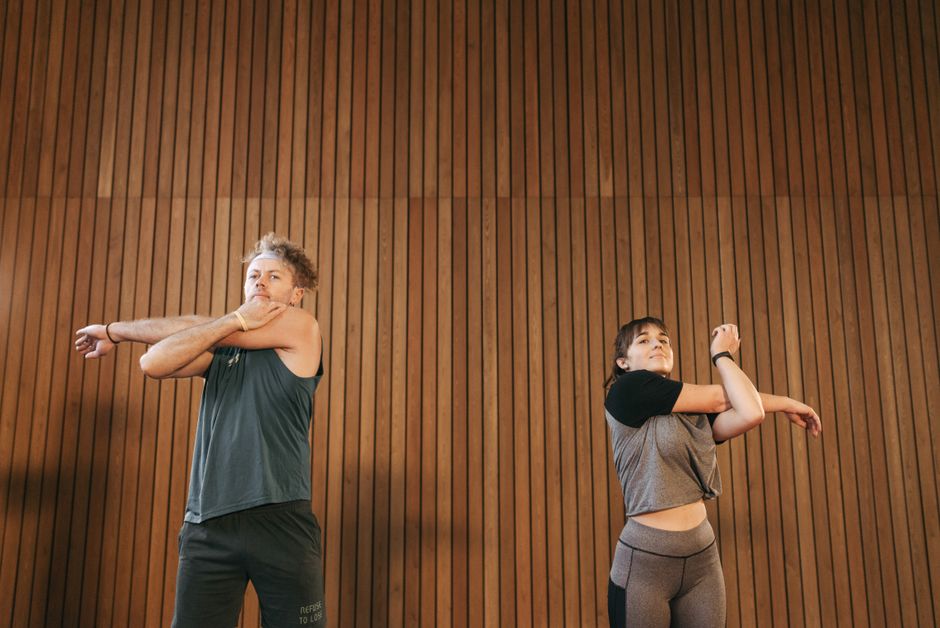
Emboldened by this knowledge, Elias decided to run a three-week experiment. He stopped the 5:00 AM heavy lifting. Instead, he used that time for a 30-minute brisk walk or light jog followed by dynamic stretching. He saved his heavy barbell work for 5:30 PM, right after he finished his workday.
The first week was an adjustment. He felt strange leaving the gym in the morning without being completely exhausted. But something interesting happened. By the time 5:00 PM rolled around, he felt an unusual surge of energy. He wasn't relying on pre-workout caffeine to wake up; his body was naturally 'warm' and ready to move.
By the second week, Elias hit a personal best on his deadlift—a weight he hadn't touched in over a year. More importantly, the nagging pain in his lower back had vanished. His muscles felt supple, his joints felt lubricated, and his focus was razor-sharp. He was finally experiencing the power of circadian fitness in real-time.
Strategies for Every Chronotype: Larks and Owls
Not everyone is built like Elias. During his follow-up, Dr. Aris emphasized that while biological principles remain the same, individual 'chronotypes'—your natural inclination to be an early bird or a night owl—must be considered. Circadian fitness isn't a one-size-fits-all schedule; it’s a framework for personalization.
The Early Bird (Larks)
Larks naturally wake up energized and feel their energy dip early in the evening. For these individuals, the 'afternoon peak' might occur slightly earlier, perhaps around 1:00 PM or 2:00 PM. If you are a lark, trying to do a heavy workout at 8:00 PM might interfere with your wind-down process and ruin your sleep hygiene.
The Night Owl (Owls)
Night owls face a different challenge. Their core body temperature rises much later in the day. For an owl, a 6:00 AM workout isn't just difficult; it’s physiologically counterproductive. Owls should aim for evening strength sessions but must be careful not to train too close to bedtime, as the post-workout spike in core temperature can make it difficult to fall asleep.
Dr. Aris provided a few strategies for night owls to adjust their training for optimal metabolic health:
- Blue Light Management: Use light therapy in the morning to help shift your clock earlier if you need to train in the AM.
- Post-Workout Cooling: If training late, take a cool shower to help bring your core temperature down before bed.
- Strategic Caffeine: Avoid caffeine late in the day, as it can delay your circadian clock even further.
The Resolution: A Body in Harmony
After a month of syncing his workouts with his biology, Elias looked and felt like a different person. He had gained three pounds of lean muscle, but more importantly, his relationship with exercise had changed. It was no longer a battle against his own fatigue. He had stopped viewing his body as a machine that needed to be forced into submission and started seeing it as a biological system that thrived on rhythm.
He learned that the 'anytime is fine' mantra was a half-truth. While any movement is better than no movement, optimal movement requires an understanding of the internal tides of hormones and heat. By respecting his circadian fitness, Elias unlocked a level of performance that willpower alone could never reach.
Actionable Takeaways for Your Circadian Fitness
If you feel like you've hit a plateau or are constantly battling fatigue, it might be time to rethink your timing. You don't need a lab to start syncing your workouts with your biology. Here are the steps you can take today:
- Track Your Energy: For one week, rate your energy levels on a scale of 1-10 every three hours. Identify when your natural peak occurs.
- Prioritize Morning Cardio: Use the morning cortisol spike for fat oxidation and cardiovascular health. It’s also the best time for mental clarity and setting your circadian rhythm.
- Save Strength for the Afternoon: Aim to do your heaviest lifting when your core body temperature is highest (usually 4-7 hours after your midday point).
- Warm Up According to the Clock: If you must train in the morning, double your warm-up time to manually increase your core body temperature and improve muscle flexibility.
- Listen to Your Chronotype: Don't force an early bird schedule if you are a night owl. Consistency is key, but consistency within your biological window is the secret to elite results.
Your body isn't a static entity; it is a symphony of biological cycles. When you stop fighting the clock and start following the rhythm, you’ll find that fitness becomes less about effort and more about flow. Start your circadian fitness journey today and discover what your body is truly capable of when it's finally in sync.