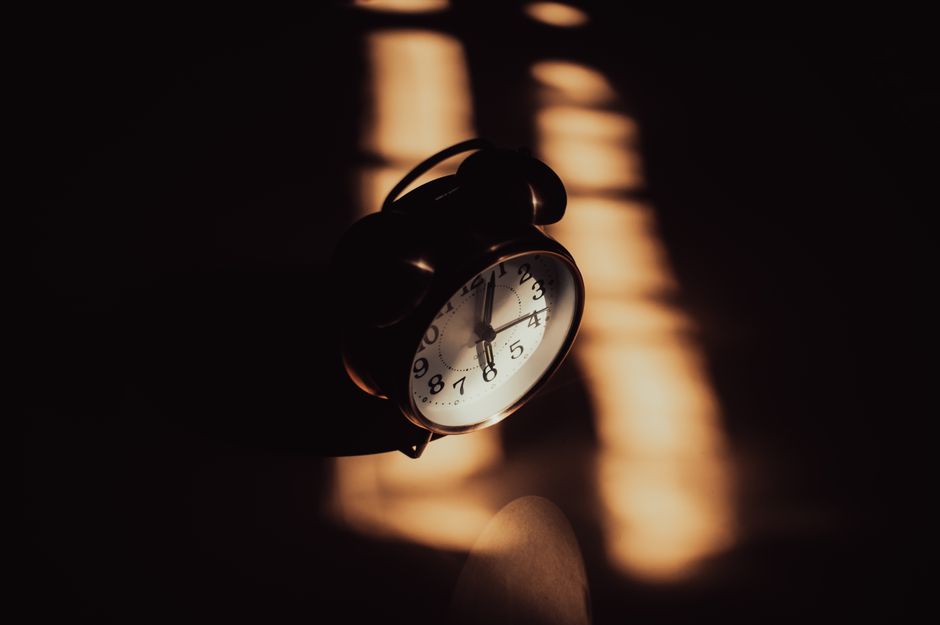
Recent breakthroughs in chronobiology are redefining modern athletics as experts emphasize that syncing your body internal clock with specific training windows is the key to achieving peak fitness. This shift in the health industry moves the focus away from traditional volume-based training toward a more sophisticated, timing-based approach known as circadian optimization.
For decades, the fitness community prioritized the "what" and "how" of exercise, often neglecting the "when." However, new data suggests that aligning physical exertion and nutrient intake with the body’s natural 24-hour cycle can enhance muscle protein synthesis, accelerate fat loss, and significantly reduce recovery times.
"We are seeing a revolution in how elite athletes approach their schedules," says Dr. Julian Vance, a leading researcher in metabolic health. "It is no longer enough to simply hit your macros and your reps; if you are working against your biological clock, you are essentially fighting your own DNA."
Understanding Your Chronotype for Maximum Output
The first step in mastering your body internal clock is identifying your specific chronotype. This genetic predisposition determines your natural sleep-wake preferences and dictates when your physical and cognitive faculties are at their sharpest.
Most individuals fall into one of four categories: the Lion, the Bear, the Wolf, or the Dolphin. Each type has a unique hormonal profile that makes certain times of the day more conducive to high-intensity training than others.
The Lion: The Early Riser’s Advantage
Lions are most productive in the early morning. For these individuals, testosterone and cortisol levels peak shortly after sunrise. They often find that high-intensity interval training (HIIT) or heavy lifting is most effective before 8:00 AM, as their energy tends to taper off significantly by mid-afternoon.
The Bear: Following the Solar Cycle
The majority of the population identifies as the Bear chronotype. Their energy levels track the rising and setting of the sun. Bears generally achieve peak physical performance between 10:00 AM and 2:00 PM. Scheduling demanding workouts during this window ensures that muscle temperature is optimal and reaction times are at their quickest.
The Wolf: The Late-Day Powerhouse
Wolves struggle with early mornings but experience a surge of strength and focus in the late afternoon and early evening. For a Wolf, a 6:00 PM weightlifting session might result in 10-15% more power output compared to a morning session, primarily due to their delayed peak in core body temperature.
The Dolphin: The Irregular Optimizer
Dolphins often struggle with sleep consistency. For this group, the focus shifts from finding a "peak" to managing fatigue. Experts suggest that Dolphins engage in steady-state cardio or yoga during the mid-morning to help regulate their nervous system without overtaxing their already high cortisol levels.
Chrononutrition: The Science of Meal Timing
While the body internal clock regulates movement, it also governs how we process food. Chrononutrition is an emerging field that examines how the timing of food intake affects metabolic health and muscle protein synthesis.
The human body is naturally more insulin-sensitive in the morning. This means the body is better equipped to shuttle glucose into muscle cells rather than storing it as fat during the earlier hours of the day. As the sun sets, insulin sensitivity typically decreases, making late-night, high-carbohydrate meals more problematic for metabolic health.
Optimizing Muscle Protein Synthesis
To maximize muscle growth, timing protein intake is critical. Research indicates that muscle protein synthesis (MPS) is not a static process. By consuming high-quality protein during your chronotype’s peak activity window, you can amplify the anabolic response to exercise.
"The liver and the gut have their own peripheral clocks," explains Dr. Vance. "When you eat out of sync with these clocks—such as consuming a heavy meal at midnight—you cause a 'circadian mismatch' that can lead to systemic inflammation and impaired recovery."
The Power of Early Time-Restricted Feeding
New clinical trials suggest that shifting the eating window earlier in the day—finishing the final meal by 6:00 PM or 7:00 PM—can improve heart rate variability and sleep quality. This practice allows the body to focus entirely on cellular repair during the night, rather than diverting energy toward digestion.
Strategic Light Exposure and Sleep Hygiene
No amount of optimized training can compensate for a disrupted body internal clock caused by poor light hygiene. Light is the primary "zeitgeber," or time-giver, that resets the master clock in the brain’s suprachiasmatic nucleus (SCN).
In the modern world, the prevalence of artificial blue light has created a "circadian crisis." Constant exposure to screens suppresses melatonin production, the hormone responsible for deep, restorative sleep. Without adequate melatonin, the body fails to enter the deep stages of REM and slow-wave sleep necessary for growth hormone release.
The Morning Light Protocol
To anchor your circadian rhythm, health experts now recommend at least 10 to 30 minutes of direct sunlight exposure within an hour of waking. This triggers a healthy cortisol spike, which acts as a biological timer for melatonin release approximately 14 to 16 hours later. This simple habit is often cited as the single most effective way to improve sleep quality and daytime energy levels.
Evening Mitigation Strategies
As the day ends, mitigating artificial light becomes the priority. Utilizing red-tinted glasses or dimming overhead lights helps signal to the brain that the day is over. This transition period is essential for lowering the core body temperature, a physiological requirement for falling asleep.
- Avoid blue light: Turn off screens 90 minutes before bed.
- Cool the environment: Keep the bedroom between 60-67 degrees Fahrenheit.
- Consistency is key: Wake up at the same time every day, even on weekends.
Hormonal Balance and the Recovery Phase
The body internal clock is the master conductor of the endocrine system. Hormones like testosterone, growth hormone, and ghrelin (the hunger hormone) operate on a rhythmic schedule. When this schedule is disrupted, the body enters a state of chronic stress.
For those seeking peak fitness, recovery is the phase where progress actually happens. During deep sleep, the body repair’s micro-tears in muscle tissue and clears metabolic waste from the brain. If the circadian rhythm is fragmented, these processes are cut short, leading to overtraining syndrome and increased injury risk.
The Role of Cortisol
Cortisol is often labeled the "stress hormone," but it is vital for energy. A healthy circadian rhythm features a sharp rise in cortisol in the morning and a gradual decline throughout the day. When people exercise too late at night, they may cause a second cortisol spike that prevents them from entering restorative sleep, creating a cycle of fatigue and poor performance.
Conclusion: Implementing a Circadian-First Routine
Mastering your body internal clock is not about achieving perfection, but about creating alignment. By understanding your chronotype, timing your nutrition to match your metabolic peaks, and respecting the power of light, you can unlock a level of fitness that hard work alone cannot provide.
Start by making small adjustments. Identify your chronotype this week and try shifting your hardest workout to your natural peak window. Combine this with morning sunlight exposure, and you will likely see improvements in your energy and recovery within just fourteen days.
The future of fitness is personal, biological, and timely. As we continue to uncover the mysteries of our internal rhythms, the message is clear: work with your body, not against it, to achieve your ultimate physical potential.