
When most people think about fitness, they picture heavy weights, high-intensity interval training, or grueling sessions on a treadmill. While formal exercise is undeniably beneficial, it often accounts for a surprisingly small percentage of our total daily energy expenditure. The missing piece of the puzzle for many is NEAT for health, or Non-Exercise Activity Thermogenesis. This concept encompasses every movement you make that isn't intentional exercise: walking to the mailbox, pacing while on a phone call, or even fidgeting at your desk.
Research suggests that focusing on NEAT for health may be more critical for long-term metabolic stability than a single hour spent at the gym. In a world where sedentary office jobs are the norm, understanding how to maximize these "non-gym" movements is the key to preventing chronic disease and maintaining a healthy weight. This checklist will guide you through the science of NEAT and provide actionable steps to integrate movement into every facet of your life.
Before You Start: Shifting Your Mindset

Before diving into the specific checklist items, it is essential to reframe how you view physical activity. Stop viewing "exercise" as a chore to be checked off a list once a day. Instead, start viewing your body as a machine designed for constant, low-level motion. The goal of prioritizing NEAT for health is to eliminate long periods of stagnation. Even if you hit the gym for 60 minutes, sitting for the remaining 15 hours of your waking day can lead to "active sedentary" syndrome, where the benefits of your workout are partially offset by the metabolic slowdown of prolonged sitting.
[ ] Define and Quantify Your NEAT for Health
To improve what you don't measure is difficult. The first step in this checklist is to understand that your Total Daily Energy Expenditure (TDEE) is composed of four parts: Basal Metabolic Rate (BMR), the Thermic Effect of Food (TEF), Exercise Activity Thermogenesis (EAT), and finally, Non-Exercise Activity Thermogenesis (NEAT). For most people, NEAT is the most variable component and can account for a difference of up to 2,000 calories burned per day between two people of similar size.
By focusing on NEAT for health, you are targeting the largest lever you have for daily caloric burn. Start by identifying your current baseline. Do you spend most of your day in a chair? Do you take the elevator instead of the stairs? Recognizing these patterns is the first step toward a more active baseline.
[ ] Master the Science of Metabolic Flexibility
Metabolic flexibility is the body's ability to switch between burning carbohydrates and fats efficiently. Frequent movement throughout the day keeps the metabolic machinery "primed." When you remain sedentary, your insulin sensitivity can begin to drop within hours. However, engaging in NEAT for health through low-level activity helps maintain GLUT4 translocation—a process where glucose transporters move to the surface of your muscle cells to pull sugar out of the bloodstream without needing a massive insulin spike.
The Blood Sugar Connection
By ticking this item off your list, you are committing to regulating your blood sugar in real-time. Studies show that light activity after a meal is significantly more effective at flattening glucose spikes than a vigorous workout performed several hours later. This constant regulation reduces systemic inflammation and protects your vascular health over the long term.
[ ] Implement "Movement Snacks" Into Your Workday
The modern office environment is the enemy of NEAT for health. To combat this, you must integrate "movement snacks"—short bursts of activity lasting 1 to 5 minutes—every hour. These are not meant to make you sweat; they are meant to keep your enzymes active and your joints lubricated. Set a recurring timer on your computer or phone to ensure you never go more than 45 minutes without changing your posture.
- Perform calf raises: Do 20 reps while waiting for a document to print.
- Take the long way: Use the restroom on a different floor of the office.
- Pace during calls: Never take a phone call sitting down; use a wireless headset and walk the perimeter of the room.
- Desk stretches: Incorporate neck rolls and shoulder blade retractions to offset the "tech neck" posture.
[ ] Prioritize Standing Over Sedentary Behavior

Standing burns significantly more calories than sitting and engages the postural muscles of the legs, core, and back. Transitioning to a standing desk is one of the most effective ways to boost your NEAT for health. However, the goal isn't necessarily to stand still all day, but to remain in a state of "dynamic standing" where you shift your weight and move your feet.
If a standing desk isn't an option, find other opportunities to stand. Stand while on the bus or subway, stand while reading an article, or stand while waiting in line. These small choices accumulate into thousands of extra movements per week, contributing to better bone density and improved circulation in the lower extremities.
[ ] Optimize Your Commute for Maximum Physical Engagement
Your commute is often a dead zone for physical activity, but it doesn't have to be. To check this item off, look for ways to add "forced" movement to your journey. If you drive, park at the back of the lot. If you take public transit, get off one stop early and walk the remaining distance. These small adjustments are the hallmark of using NEAT for health to improve longevity.
Active Transportation Benefits
Active commuting has been linked to a lower risk of cardiovascular disease and improved mental health. The psychological transition between work and home is often smoother when accompanied by physical movement, as it allows for the processing of daily stressors through low-level aerobic activity.
[ ] Transform Household Chores into Active Recovery
Instead of viewing housework as a burden, view it as an opportunity to enhance your NEAT for health. Activities like vacuuming, gardening, scrubbing floors, and carrying groceries are functional movements that challenge your body in ways that gym machines cannot. These tasks involve multi-planar movements—reaching, twisting, and bending—that maintain your range of motion as you age.
To maximize this, avoid labor-saving devices when possible. Hand-wash your car instead of going through the automatic wash. Rake the leaves instead of using a leaf blower. By choosing the manual path, you turn your home maintenance into a fountain of youth for your metabolism.
[ ] Leverage Social Interaction for Physical Activity
Socializing often revolves around food and drink, which usually involves sitting for extended periods. To optimize your NEAT for health, suggest "active socializing" to your friends and family. Instead of meeting for coffee, meet for a walk in the park. Instead of a movie, go for a hike or visit a museum where you'll be on your feet for hours.
Social movement creates a positive feedback loop. When your social circle prioritizes activity, it becomes part of your identity rather than a chore. This lifestyle integration is what leads to permanent health changes rather than the temporary fixes offered by 12-week gym challenges.
[ ] Focus on Long-Term Longevity Beyond Muscle Hypertrophy
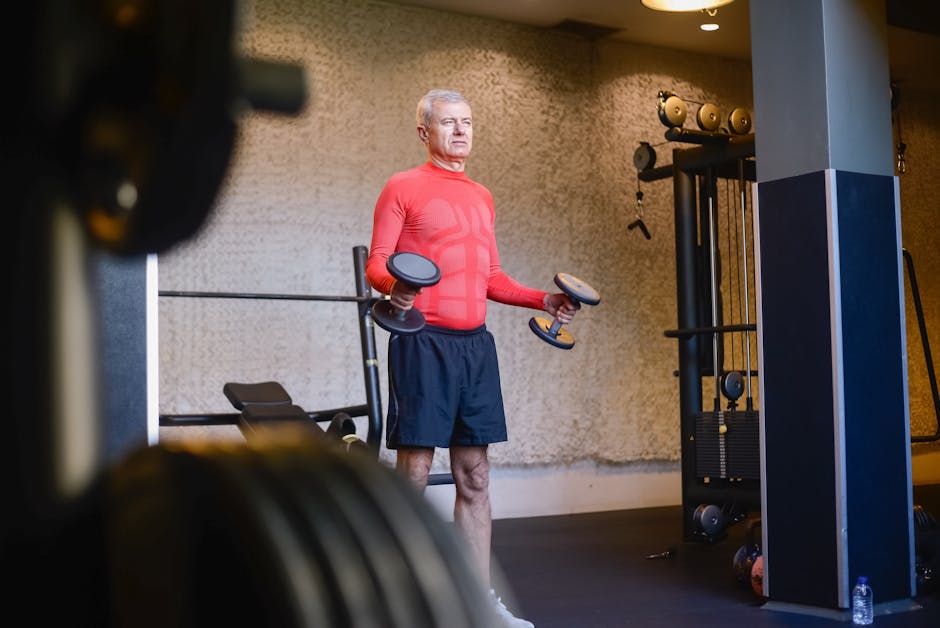
While building muscle in the gym is important, NEAT for health focuses on the "slow and steady" aspects of longevity. High levels of non-exercise activity are strongly correlated with a reduced risk of all-cause mortality. This is likely due to the cumulative effect of low-intensity movement on mitochondrial health and the prevention of cellular senescence.
Joint Health and Lubrication
Consistent movement keeps your joints healthy by circulating synovial fluid. Unlike muscles, cartilage does not have its own blood supply; it relies on the "pumping" action of movement to receive nutrients and remove waste. By maintaining a high baseline of activity, you ensure that your joints remain functional well into your later years, allowing you to stay independent and mobile.
[ ] Monitor and Track Your Non-Exercise Activity Levels
The final item on our checklist is accountability. Use a pedometer or a wearable fitness tracker to monitor your daily steps and active hours. While "10,000 steps" is a popularized number, the real goal is to see a consistent upward trend in your non-exercise movement. Tracking helps you identify "lazy days" and encourages you to take that evening stroll or choose the stairs over the elevator.
However, don't become a slave to the data. Use it as a tool to confirm that your new habits are sticking. Over time, these movements will become second nature, and you won't need a device to tell you to move—your body will crave the activity.
Summary Checklist for Daily Success
To ensure you are maximizing your NEAT for health, keep this summary in mind as you navigate your day. You can print this list or save it to your phone for a quick reference:
- Morning: Park further away or add a 10-minute walk to your commute.
- Work Hours: Set a timer for movement snacks every 45-60 minutes.
- Lunch: Spend at least half of your break walking rather than sitting.
- Evening: Engage in manual chores or an after-dinner walk to regulate blood sugar.
- Social: Choose active hobbies over sedentary entertainment.
Conclusion: The Compound Effect of Movement
Optimizing your NEAT for health is not about making massive, unsustainable changes. It is about the compound effect of a thousand small decisions made every day. While the gym provides the stimulus for strength and power, NEAT provides the foundation for metabolic health and longevity. By integrating these checklist items into your lifestyle, you move beyond the limitations of the "gym hour" and enter a state of perpetual wellness.
Remember, your body was built to move. Every step you take, every time you stand up, and every chore you complete is an investment in your future self. Start small, be consistent, and watch as your energy levels, blood sugar, and overall health transform through the power of Non-Exercise Activity Thermogenesis.
Note: For a printable version of this checklist to keep at your desk, click the "Download Summary" link at the top of this page.