
Introduction: The Science of Smarter Healing
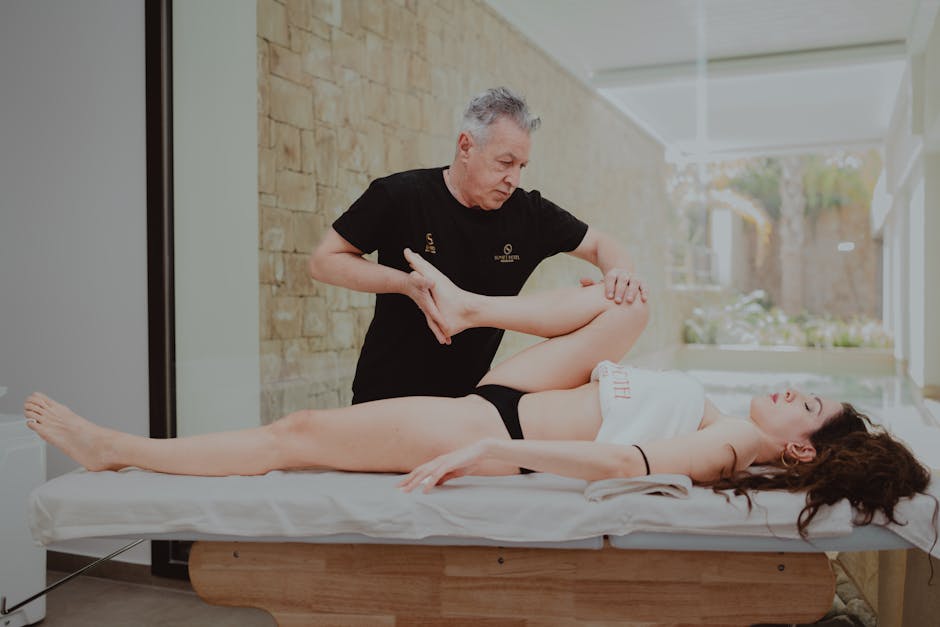
When it comes to reaching your fitness goals, what you do outside the gym is just as important as what you do inside it. Many athletes believe that a rest day means sitting on the couch for 24 hours, but the debate of active vs. passive recovery suggests a more nuanced approach. Understanding how to heal your body faster involves more than just silence and stillness; it requires a strategic application of movement to facilitate physiological repair.
Active recovery involves performing low-intensity exercises that stimulate blood flow to the muscles without adding significant stress to the central nervous system. Passive recovery, on the other hand, is complete rest. While both have their place in a well-rounded training program, knowing when to use each can be the difference between a new personal best and a debilitating injury. This checklist will guide you through the transition from total exhaustion to optimal performance.
Before You Start: Assessing Your Recovery Needs
Before diving into a recovery protocol, you must determine the state of your body. Not every workout requires the same level of intervention. Use these three markers to decide if you need a movement-based day or total rest:
- Muscle Soreness (DOMS): On a scale of 1-10, how much does it hurt to move? If you are at an 8 or above, passive recovery might be the primary choice for the first 24 hours.
- Resting Heart Rate (RHR): Is your morning RHR 5-10 beats higher than usual? This is a sign of central nervous system fatigue.
- Psychological Drive: Are you feeling "burnt out" or unmotivated? Mental fatigue often mirrors physical fatigue, requiring a change of pace.
☐ Understand the Physiology of Active vs. Passive Recovery
To use these tools effectively, you must understand why they work. The primary goal of any recovery session is to return the body to homeostasis. When we exercise, we create micro-tears in muscle fibers and accumulate metabolic byproducts like lactate and hydrogen ions.
Active recovery works by keeping the heart rate slightly elevated (usually between 30-50% of your maximum). This increased cardiac output pushes oxygen-rich blood into the damaged tissues, flushing out waste products and delivering the nutrients needed for protein synthesis. Passive recovery is essential when the body has reached a state of systemic inflammation or neurological depletion, allowing the parasympathetic nervous system to take full control without any external demands.
☐ Perform 20-30 Minutes of Zone 1 Walking
Walking is the gold standard for active recovery. It is a functional, low-impact movement that encourages blood flow through the entire posterior chain without taxing the joints. To heal your body faster, aim for a pace where you can easily hold a full conversation without gasping for air.
When you walk, the rhythmic contraction of the calf muscles acts as a "second heart," aiding venous return. This process helps reduce swelling in the lower extremities and keeps the joints lubricated. Aim for a flat surface to avoid unnecessary strain on the hip flexors or Achilles tendons.
☐ Utilize Low-Impact Swimming or Water Aerobics
Hydrotherapy is one of the most effective ways to manage active vs. passive recovery. Swimming provides a weightless environment, which is ideal if you are dealing with joint pain or high-impact stress from running or heavy lifting.
The hydrostatic pressure of the water also assists in compression, which can help reduce edema (swelling) in the muscles. A light 15-minute swim using a gentle breaststroke or even just walking laps in the pool can significantly accelerate the removal of metabolic waste while providing a soothing sensory experience for the nervous system.
☐ Integrate Flow-Based Yoga or Dynamic Mobility

Static stretching has its place, but for active recovery, dynamic mobility is superior. Incorporating a "flow" style of yoga helps maintain a full range of motion in the joints while keeping the muscles warm. This prevents the "stiffening" effect that often happens the day after a heavy strength session.
Focus on movements like the Cat-Cow, Bird-Dog, and Thread the Needle. These exercises prioritize spinal health and hip mobility. By moving through these ranges of motion slowly, you signal to your brain that it is safe to relax the muscle tension that often follows high-intensity training.
☐ Use Foam Rolling for Myofascial Release
While often uncomfortable, foam rolling (self-myofascial release) is a vital checklist item for those looking to speed up repair. It addresses the fascia, the connective tissue that surrounds your muscles. When fascia becomes tight or "stuck," it can limit blood flow and restrict movement.
Spend 60 seconds on major muscle groups: the quads, hamstrings, glutes, and thoracic spine. Avoid rolling directly over bones or joints. The goal is to find "trigger points" and apply steady pressure to encourage the tissue to release. This acts as a bridge between active and passive recovery by providing a physical stimulus without cardiovascular strain.
☐ Schedule a Leisurely Cycling Session
If walking isn't your preference, a low-resistance bike ride is an excellent alternative. Cycling is non-weight-bearing, making it gentle on the knees and ankles. The repetitive, circular motion helps flush the quadriceps and hamstrings with fresh blood.
Keep the resistance low—you should feel like you are "spinning" your legs rather than pushing against weight. A 20-minute ride at a moderate cadence can help alleviate the "heavy leg" feeling associated with squats or deadlifts.
☐ Prioritize 7-9 Hours of High-Quality Sleep
While the focus of this guide is active recovery, the passive side cannot be ignored. Sleep is the most powerful recovery tool in existence. This is the only time your body releases significant amounts of Human Growth Hormone (HGH), which is essential for tissue repair and fat metabolism.
To optimize this passive recovery phase, ensure your room is cool (around 65°F), dark, and free of electronic distractions. If you have performed an active recovery session during the day, your body will often find it easier to enter deep REM sleep, as light movement helps regulate the circadian rhythm.
☐ Implement a Progressive Recovery Framework
Not all recovery sessions should look the same. Use the following step-by-step framework to schedule your sessions based on your previous workout's intensity:
Step 1: The Immediate Post-Workout Phase (0-2 Hours)
Focus on cooling down. Do not stop moving abruptly. Spend 5-10 minutes walking or performing very light stretching to prevent blood pooling in the extremities.
Step 2: The Acute Recovery Phase (12-24 Hours)
If you feel significant soreness, opt for passive recovery or very light myofascial release. This is the time for hydration and high-protein nutrition to begin the repair process.
Step 3: The Active Recovery Phase (24-48 Hours)
This is when you should implement the checklist items like walking, swimming, or yoga. This phase is about "waking up" the muscles and encouraging circulation to finish the healing process.
☐ Hydrate with Electrolytes and Clean Water

Recovery is a chemical process that requires water. Dehydration slows down protein synthesis and can make muscle soreness feel much more intense. When considering active vs. passive recovery, remember that active movement causes you to lose more fluid through sweat.
Ensure you are replacing not just water, but electrolytes like sodium, potassium, and magnesium. These minerals are responsible for muscle contractions and nerve signaling. Without them, your active recovery session could actually lead to cramping rather than healing.
☐ Monitor Your Heart Rate Variability (HRV)
If you use a fitness tracker, pay close attention to your Heart Rate Variability. HRV measures the variation in time between each heartbeat and is a direct window into your autonomic nervous system. A high HRV indicates that your body is recovered and ready for stress, while a low HRV suggests you are stuck in a "fight or flight" state.
Use HRV to decide between active and passive recovery. If your HRV is significantly lower than your baseline, skip the active recovery walk and choose a nap or a meditation session instead. Listening to these biological data points prevents overtraining syndrome.
Summary Checklist for Faster Healing
To ensure you are maximizing your results, keep this summary in mind for your next rest day:
- Choose Active for mild soreness and to boost circulation.
- Choose Passive for extreme fatigue, illness, or injury.
- Keep it low-intensity: Never exceed 50% of your maximum effort during recovery.
- Stay consistent: A 20-minute walk every rest day is better than a 2-hour hike once a month.
- Listen to your body: Data is helpful, but how you feel is the ultimate guide.
Want a reminder of these steps? You can save this page or print this checklist to keep in your gym bag for your next scheduled rest day.
Conclusion: Balancing the Two Sides of Recovery
Mastering the balance of active vs. passive recovery is the secret weapon of elite athletes. While it is tempting to go "all out" every single day, the body simply cannot sustain that level of output without consequences. By strategically using low-intensity movement to heal your body faster, you aren't just resting—you are actively preparing for your next victory.
Remember that recovery is not a sign of weakness; it is a physiological requirement for growth. Whether you choose a brisk walk, a gentle swim, or a dedicated night of deep sleep, you are providing your muscles with the environment they need to come back stronger. Start implementing these checklist items this week and notice how much more energy you bring to your high-intensity sessions.