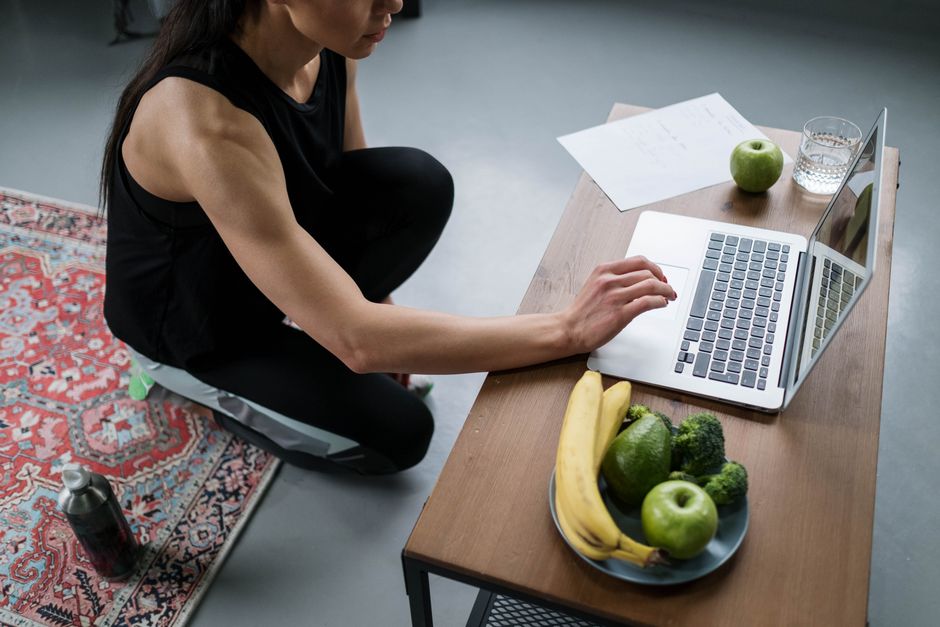
If you sit at a desk for eight hours, the idea of a 45-minute gym session after work often feels impossible. You skip it, feel guilty, and assume you've failed at fitness. But emerging research suggests that brief, structured movement bouts — called exercise snacks — scattered across your workday can deliver equal or better results for energy, focus, and metabolic health than a single long workout you never finish.
Exercise snacks are 2-to-10-minute bursts of intentional movement, performed at intervals throughout the day. They break up prolonged sitting, improve post-meal glucose control, lower blood pressure, and boost adherence because they're nearly impossible to skip. This roundup covers five evidence-based exercise snacks tailored for desk workers, with the selection criteria being: minimal equipment, maximal metabolic and cognitive benefit, and proven adherence advantages over traditional gym sessions.
1. The Post-Meal Walk: Glucose Control in 10 Minutes
What It Is
A brisk 10-minute walk immediately after your lunch break — preferably outdoors or around the office — at a pace that raises your heart rate slightly but still allows conversation.
Best Fit For
Desk workers who experience the infamous 2 p.m. energy slump or have concerns about blood sugar spikes after meals.
Key Strength
Research shows that a 10-minute post-meal walk can reduce postprandial glucose spikes by up to 22% compared to sitting. The effect is most pronounced when the walk occurs within 30 minutes of eating. Additionally, the act of standing and walking resets circadian blood flow patterns, reducing the vascular stiffness caused by prolonged sitting.
Limitation
Walking alone does not build strength or improve bone density. It's an excellent metabolic snack but should not replace resistance training.
My insight: Most people overthink post-lunch walks — they try to find a perfect route or worry about getting sweaty. A 10-minute lap around the parking lot or a brisk pace down the hallway is enough. The key is timing: go before you sit back down, not after you've already slumped.
2. Stair Climbing: The 2-Minute Metabolic Bomb
What It Is
Two minutes of stair climbing at a vigorous pace — think taking the stairs two at a time or climbing as fast as you safely can — performed three to five times per day.
Best Fit For
Anyone with stairs available at work or home who wants a high-intensity option without changing clothes or leaving the building.
Key Strength
A 2023 study found that three 20-second bouts of stair climbing (total 2 minutes) improved cardiorespiratory fitness by 5% over six weeks. The vertical nature recruits more muscle mass than walking, boosting calorie burn and leg strength. It also elevates heart rate quickly, providing a cardiovascular 'reset' that breaks the monotony of sitting.
Limitation
Not suitable for those with knee or ankle issues. Also, if your office is on the ground floor, you may need to climb multiple flights to get a meaningful stimulus.
My insight: Stair snacks work best when you schedule them at specific times — after every bathroom break or before a meeting. Use a timer on your phone. Two minutes feels trivial, but when done three times a day, it adds up to 30 minutes of vigorous activity per week, which meets the WHO's minimum for vigorous physical activity.
3. The Afternoon Strength Burst: Desk-Based Resistance
What It Is
A 5-minute circuit of bodyweight exercises performed at your desk: 10 chair squats, 10 push-ups (on desk or floor), 10 lunges (each leg), and a 30-second plank. Repeat once or twice.
Best Fit For
Desk workers who want to maintain or build strength without a gym, especially those who feel their posture deteriorating from hunching over a keyboard.
Key Strength
Brief resistance snacks improve neuromuscular coordination and activate neglected muscle groups (glutes, posterior chain, core). A 2022 study showed that two 5-minute resistance circuits per day increased lower body strength by 8% in eight weeks, comparable to traditional 30-minute sessions. The key is the frequency of stimulation — your muscles get a signal multiple times a day rather than once.
Limitation
Harder to progress weight or resistance without equipment. You need to systematically increase reps or add bands to continue seeing gains.
My insight: Don't aim for failure. The goal is 7–8 out of 10 effort, not max reps. Keep a small notepad at your desk to track reps each day. Increase by one rep per snack every two weeks.
4. The Walking Meeting Snack: Cognitive Reset + Movement
What It Is
Converting one 15–20 minute phone call or virtual meeting into a walking meeting (if you're not required to be on camera). Walk at a moderate pace while listening and speaking.
Best Fit For
Anyone with regular one-on-one calls, particularly brainstorming or check-in meetings where visual aids aren't needed.
Key Strength
Walking during a call increases blood flow to the brain, improving creativity and problem-solving by up to 60% according to Stanford research. It also naturally breaks up sitting time. The dual-task nature (walking + talking) can enhance cognitive flexibility.
Limitation
Not appropriate for meetings requiring screen sharing, intense note-taking, or sensitive conversations where background noise is an issue. Also requires a safe, low-traffic walking route.
My insight: This is the easiest snack to implement because it doesn't cost extra time — it replaces sitting time. Start with one call per day. Use a headset and keep your phone in a pocket. If you need to take notes, pause briefly or dictate into a voice memo.
5. The 5-Minute Mobility Reset: Joint Health & Fatigue Prevention
What It Is
A structured 5-minute sequence of mobility drills targeting areas that stiffen during desk work: neck rotations, cat-cow stretches, hip flexor lunges, thoracic spine openers, and ankle circles. Perform every 2–3 hours.
Best Fit For
Desk workers experiencing stiffness, tension headaches, or 'tech neck'. Particularly valuable for those who can't do vigorous movement due to injury or space constraints.
Key Strength
Prolonged sitting shortens hip flexors, weakens glutes, and stiffens the upper back. A 5-minute mobility snack reverses these effects, improving posture and reducing musculoskeletal pain. A 2021 study found that 5 minutes of desk-based stretching three times per day reduced lower back pain intensity by 30% over four weeks.
Limitation
Does not provide cardiovascular or strength benefits. It's a maintenance tool, not a fitness builder. Some may find it boring.
My insight: Pair mobility snacks with your existing work triggers — every time you finish an email, stand up and do one mobility drill. This habit stacking makes it automatic. Use a free stretching app or a simple timer.
How to Build Your Daily 3-Snack Template
Based on the evidence, here's a practical template that covers glucose control, strength, and mobility without equipment:
- Morning (9:30–10:00 a.m.): 5-minute strength burst (squats, push-ups, lunges) to activate muscles after a night's rest.
- Post-lunch (12:30–1:00 p.m.): 10-minute brisk walk to blunt glucose spike and boost afternoon energy.
- Afternoon (3:00–3:30 p.m.): 5-minute mobility reset to combat stiffness and re-focus for the final work push.
This template totals 20 minutes of movement, breaks up three hours of sitting, and can be done in street clothes without showering.
Common Mistakes That Sabotage Exercise Snacks
- Going too hard: Treating a snack like a HIIT class leads to burnout or injury. Keep intensity moderate (4–7/10 effort) for most snacks; reserve high intensity only for stair climbing.
- Skipping progression: If you do the same 10 squats every day for months, you'll plateau. Increase reps, add a resistance band, or shorten rest intervals every 2–3 weeks.
- Treating snacks as a replacement for all cardio or strength: Exercise snacks are a complement, not a substitute, for traditional workouts. They maintain baseline fitness but won't maximize VO2 max or maximum strength.
- Ignoring warm-up: Even 2 minutes of movement deserves a brief warm-up — march in place, arm circles, ankle rolls — to prepare joints and reduce injury risk.
Who Should Still Choose Traditional Workouts
Exercise snacks work best for desk workers who struggle with consistency, have limited time, or want to improve metabolic health. However, if your goals include:
- Significant muscle hypertrophy or strength gains
- Substantial weight loss (more than 5% body weight)
- Improving maximal cardiovascular capacity (VO2 max)
- Training for a specific sport or event
...then you still need 2–3 weekly sessions of 30–60 minutes of dedicated strength or cardio training. Combine these with exercise snacks: do your snacks on non-gym days or as a morning primer before your evening workout.
Summary: Which Snack Is Best for You?
- Best for glucose control and energy: Post-meal walk (snack #1)
- Best for cardiovascular fitness in minimal time: Stair climbing (snack #2)
- Best for strength maintenance: Afternoon strength burst (snack #3)
- Best for cognitive boost without extra time: Walking meeting (snack #4)
- Best for pain relief and posture: Mobility reset (snack #5)
Start with one snack that addresses your biggest pain point — whether it's the 2 p.m. slump, stiff shoulders, or lack of strength — and add others gradually. The science is clear: two minutes of movement done ten times is often more powerful than one workout you never do.