
A 10-minute walk after meals is one of the few micro-habits with a genuinely strong evidence base. It can lower post-meal blood sugar spikes, support digestion, and help you hit daily step goals without carving out a full workout. This list breaks down what the research actually shows, who benefits most, how to implement it across different schedules, and where the hype exceeds the evidence.
Quick Takeaways
- Walking for 10 minutes within 30 minutes after a meal can reduce postprandial glucose compared to sitting.
- Timing and consistency matter more than speed or intensity.
- A 7-day plan can help you start at 5 minutes and progress to 15.
- It is not a replacement for medication, structured exercise, or medical advice.
- Results vary based on meal composition, baseline health, and overall activity.
How This List Works
This isn’t a generic “exercise more” list. Each item focuses on a specific, actionable insight about the post-meal walk. You’ll get the evidence, a real-world example, and a practical note you can apply today. We chose items based on their usefulness for decision-making, not just their popularity.
1. The Research on Post-Meal Walking and Glucose Control
Why it matters: Multiple studies and meta-analyses suggest that walking after meals can significantly lower postprandial blood glucose, especially in people with type 2 diabetes or prediabetes. The effect is strongest when walking occurs within 30 to 60 minutes after eating, when glucose levels peak.
Example: A 2022 meta-analysis found that short walks after meals reduced post-meal glucose excursions by roughly 15–30% compared to remaining seated. The exact numbers vary by study design and population.
Practical note: You don’t need a lab coat to apply this. Just aim to move your legs within the first half-hour after your largest meal. Even a slow walk around the block counts.
2. Timing Beats Intensity: Why a Gentle Stroll Works
Why it matters: The glucose-lowering effect comes from muscle contraction, which increases glucose uptake independent of insulin. You don’t need to sweat or hit a target heart rate. A comfortable pace is enough to trigger the benefit.
Example: One study compared light walking (about 3 km/h) to more vigorous walking after a meal. Both reduced glucose spikes, but the light walk was easier to sustain and had similar short-term effects.
Practical note: Think “stroll,” not “power walk.” If you can talk comfortably while walking, you’re in the right zone. Save the intensity for your structured workouts.
3. Who Benefits Most from a Post-Meal Walk
Why it matters: The people who see the biggest glucose improvements are those with impaired glucose regulation: type 2 diabetes, prediabetes, gestational diabetes, and metabolic syndrome. But even healthy adults can benefit from better post-meal glucose control and improved digestion.
Example: An office worker with prediabetes who walks 10 minutes after lunch may see a smaller afternoon glucose spike and less of an energy crash. A person without diabetes may notice better digestion and a slight step-count boost.
Practical note: If you have diabetes, check with your doctor before making changes, especially if you take insulin or medications that can cause hypoglycemia. For most others, it’s a low-risk habit.
4. The 7-Day Implementation Plan for Office Workers
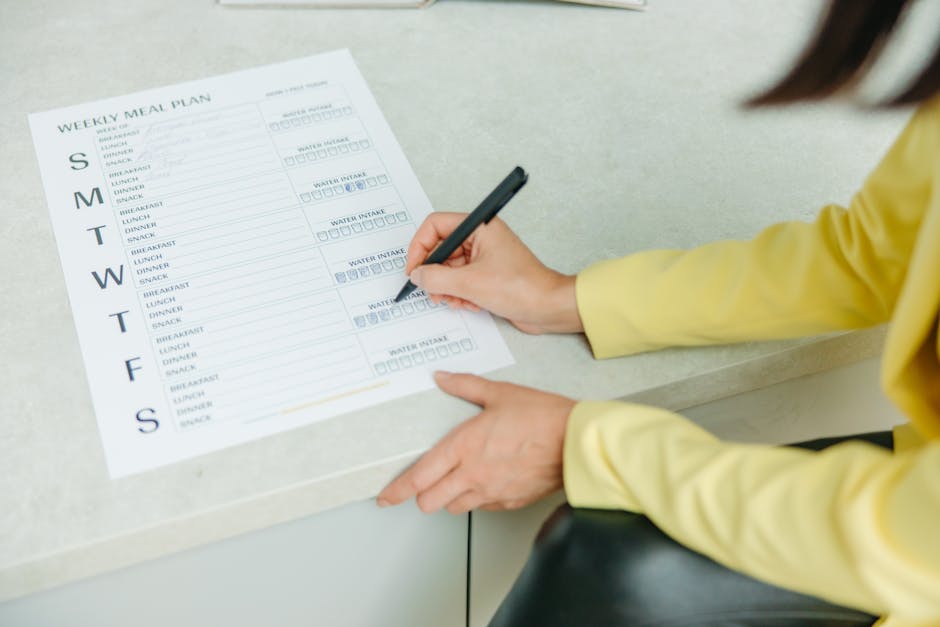
Why it matters: Office schedules often involve long sitting periods and structured lunch breaks. Anchoring the walk to existing routines makes it stick.
Example plan:
- Day 1: Walk 5 minutes after lunch, even if it’s just to the end of the block and back.
- Day 2: Walk 5 minutes after your afternoon coffee or snack.
- Day 3: Walk 7 minutes after lunch.
- Day 4: Walk 7 minutes after dinner.
- Day 5: Walk 10 minutes after lunch.
- Day 6: Walk 10 minutes after dinner.
- Day 7: Review your week and pick your two best time slots to repeat.
Practical note: Use your phone’s timer or a calendar reminder. If weather is bad, walk indoors—hallways, stairs, or a nearby mall.
5. The WFH Version: Anchor the Walk to Existing Habits
Why it matters: Without a commute, work-from-home days can blur together. You need a trigger that already exists in your day.
Example: After you finish your lunch plate, immediately put on your shoes and step outside for 10 minutes. Or, walk during a phone call that you’d normally take sitting down.
Practical note: Habit stacking works best when the new behavior follows an established one. “After I close my laptop for lunch, I will walk for 10 minutes.” Write it down and put it where you’ll see it.
6. Shift Work and Irregular Schedules: Make It Flexible
Why it matters: Shift workers have higher risk of metabolic issues, and their meal times are irregular. The post-meal walk can still work—you just define “meal” as your main meal, whenever that is.
Example: If you work nights and eat your main meal at 2 a.m., take a 10-minute walk at 2:15 a.m. If you’re too tired for 10 minutes, do 5.
Practical note: Safety first. Walk in well-lit areas, use a treadmill if available, or march in place indoors. Consistency matters more than the clock.
7. Progressing from 5 to 15 Minutes: A Sensible Ramp
Why it matters: Starting too big leads to quitting. A gradual progression builds the habit without overwhelming your schedule.
Example: Week 1: 5 minutes after one meal per day. Week 2: 7 minutes after one meal. Week 3: 10 minutes after one meal. Week 4: 10 minutes after two meals. Week 5: 15 minutes after one meal. Week 6: 15 minutes after two meals.
Practical note: Add 1–2 minutes per week, not per day. If you miss a day, don’t double up—just resume where you left off. The goal is a sustainable routine, not a perfect streak.
8. What This Habit Won’t Do: Limitations and Overhyped Claims
Why it matters: Some headlines suggest a post-meal walk can “reverse diabetes” or “melt belly fat.” That’s not supported by evidence. The walk is a complementary tool, not a cure.
Example: A 10-minute walk may lower a glucose spike, but it won’t replace insulin, metformin, or a structured exercise program. It also won’t offset a consistently poor diet.
Practical note: Use it as one part of a broader strategy: balanced meals, regular movement, sleep, and medical care if needed. If a claim sounds too good to be true, it probably is.
9. Meal Composition Changes the Effect

Why it matters: The size of the glucose spike depends heavily on what you ate. A high-carb, low-fiber meal will cause a bigger rise, and the walk will only blunt it, not eliminate it.
Example: Walking after a plate of white pasta with sugary sauce will still leave a higher glucose response than walking after a meal of grilled chicken, vegetables, and quinoa.
Practical note: Pair the walk with smarter meal choices: protein, fiber, and healthy fats. You’ll get a bigger combined effect.
10. Bonus: Stacking the Habit for Long-Term Consistency
Why it matters: The health ROI comes from repetition. One walk won’t change your long-term glucose control, but 300 walks a year might.
Example: Use a habit tracker or a simple calendar. Mark an X for each day you complete at least one post-meal walk. After two weeks, you’ll see a chain you won’t want to break.
Practical note: Combine the walk with something you enjoy: a podcast, a phone call with a friend, or listening to an audiobook. This makes the time feel like a reward, not a chore.
How to Choose Your Starting Point
If you’re not sure where to begin, use this decision framework:
- If you have diabetes or prediabetes: Start with 5 minutes after your largest meal. Talk to your doctor about monitoring.
- If you’re generally healthy but sedentary: Start with 10 minutes after lunch or dinner. Focus on consistency.
- If you have a chaotic schedule: Pick one meal you eat at roughly the same time each day and walk after that one.
- If you already exercise regularly: Add the post-meal walk as a low-intensity recovery tool. It won’t interfere with your training.
Frequently Asked Questions
Is 10 minutes enough, or should I walk longer?
Ten minutes is enough to see a measurable glucose benefit for many people. Longer walks (15–20 minutes) may offer a slightly larger effect, but the biggest win is going from zero to ten. Start there and progress if you want.
Do I need to walk immediately after eating?
Ideally within 30 minutes, when glucose is rising. But if you can only walk 60–90 minutes later, it still helps. The closer to the meal, the better the timing effect.
Can I walk on a treadmill or march in place?
Yes. The key is muscle contraction, not location. Treadmill, indoor marching, or even seated leg raises can have some effect, though walking is best studied.
Will this help me lose weight?
Not directly. A 10-minute walk burns a modest number of calories. The main benefits are glucose control, digestion, and step consistency. Weight loss requires a broader approach.
The Bottom Line
The 10-minute post-meal walk is a rare micro-habit that offers real, evidence-backed returns for a tiny time investment. It won’t replace medication or structured exercise, and it won’t fix a poor diet. But as a complementary habit, it can improve post-meal glucose, support digestion, and help you build daily movement consistency. Start with 5 minutes after one meal. Progress slowly. Stack it with something you enjoy. Your blood sugar—and your future self—may thank you.